
Main Courses
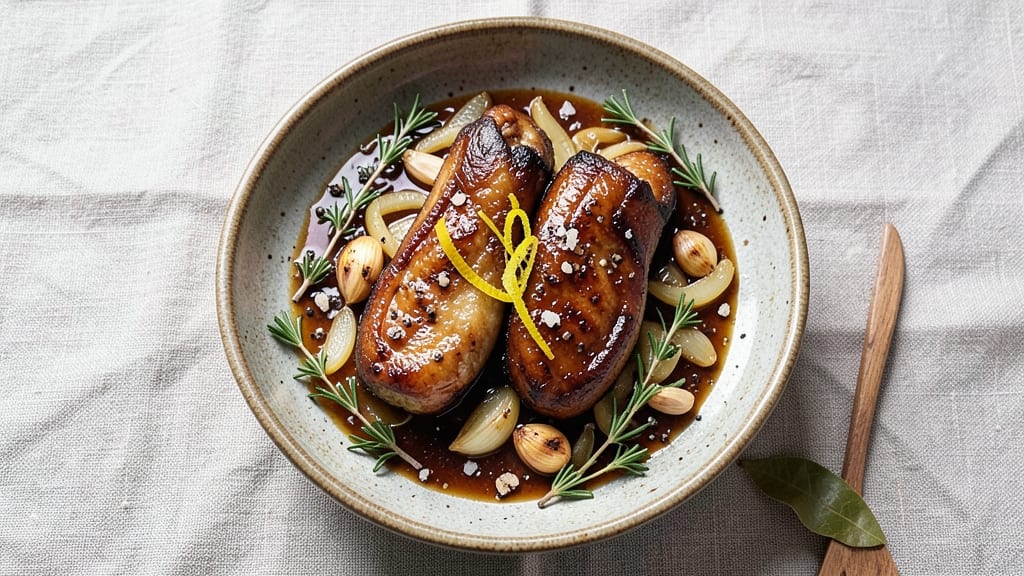
This chicken tongue recipe transforms an underrated cut into a savory-sweet masterpiece with crispy edges that beg for seconds. The secret lies in slow braising, where collagen-rich meat becomes fork-tender while absorbing rich, aromatic flavors.
I first discovered this technique in Southern kitchens, where it’s celebrated for its ability to turn tough cuts into melt-in-your-mouth perfection.
The process begins with tenderizing the tongue—essential for breaking down its dense fibers—before searing it to lock in juices and build a flavorful crust. A sweet-and-savory braising liquid infuses the meat with depth, while a final crisping step ensures that signature texture you crave.
This isn’t just a recipe; it’s a culinary experience that elevates humble ingredients into something extraordinary.
By the time you serve this dish, you’ll have a plate that’s golden, glossy, and irresistibly tender—the kind of meal that makes guests ask for the recipe. The braising liquid reduces into a luscious sauce that coats every bite, balancing sweetness with smoky, herby notes.
It’s the centerpiece of any meal, whether paired with buttery mashed potatoes or crusty bread to soak up every last drop.
Perfect for special occasions or when you want to impress, this recipe delivers restaurant-quality results with minimal effort. The key is patience—letting the flavors meld and the meat transform into something truly remarkable. Let’s get started on creating a dish that’s as satisfying as it is delicious.
Ingredients for chicken tongue
Six ingredients transform tough chicken tongues into golden, crisp-edged perfection—worth every minute of braising.
| Ingredient | Amount | Notes |
|---|---|---|
| Chicken Tongues 🐔 | 2 lb | Fresh, skin removed, trimmed |
| Yellow Onion 🧅 | 1 whole | Thinly sliced, about 1.5 cups |
| Garlic Cloves 🧄 | 6 cloves | Minced, about 2 tbsp |
| Fresh Thyme 🌿 | ¼ cup | Stems removed, chopped |
| Fresh Rosemary 🌿 | ⅛ cup | Needles only, chopped |
| Bay Leaves 🍃 | 2 whole | Dried, standard size |
| Apple Cider Vinegar 🍎 | ½ cup | For tenderizing |
| Brown Sugar 🍚 | ½ cup | Light or dark preferred |
| Kosher Salt 🧂 | 1 ½ tbsp | Diamond Crystal preferred |
| Black Peppercorns 🌶️ | 1 tsp | Freshly cracked |
| Olive Oil 🫒 | ½ cup | Extra-virgin for searing |
| Whole Milk 🥛 | ½ cup | Full-fat for richness |
| All-Purpose Flour 🌾 | ¼ cup | For crisping |
| Cornstarch 🌽 | 2 tbsp | For final crisping |
Chicken tongues need to be fresh—ask your butcher for the bright pink, firm ones (avoid any with grayish spots). Costco or specialty butchers usually carry them, but if you can't find them, substitute beef tongue—it works just as well. The key is removing all skin and trimming excess fat before tenderizing. I like to soak them in apple cider vinegar for 30 minutes to break down fibers, but if you're short on time, a 10-minute marinade still helps. For herbs, fresh thyme and rosemary make all the difference—dried works in a pinch, but fresh gives that restaurant-quality aroma.
No apple cider vinegar? White vinegar or lemon juice in the same amount does the trick. Short on fresh herbs? Dried thyme at one-third the amount keeps the flavor, though it won’t be as vibrant. The brown sugar is non-negotiable for that caramelized crust—don’t swap for white. For crisping, cornstarch gives the best texture, but all-purpose flour works if that’s what you’ve got. The milk adds richness to the braising liquid, but heavy cream makes it even more decadent. Pro tip: Toast your spices (thyme, rosemary) in olive oil for 30 seconds before adding—they’ll sing with flavor.
This dish tastes even better the next day, so make it ahead if you can. Store the braised tongues in their sauce, covered, in the fridge for up to 4 days. For crispy edges, reheat in a 400°F oven for 10 minutes—the residual starch will reactivate. The sauce thickens as it cools, so add a splash of water or broth if it’s too stiff when reheating. Freezes beautifully for 3 months—portion into single servings for easy lunches. Serve with buttery mashed potatoes or crusty bread to soak up every last drop of that luscious sauce.
Why You'll Love This Recipe
- One-Pan Magic: I swear, this recipe lives on a single sheet pan—no chopping boards, no extra pots. Just sear the tongues, toss in the onions and garlic, and let the thyme and rosemary work their magic while you sip your coffee.
- Rich, Savory Crunch: That crispy skin on the outside? Chef’s kiss. The garlic and rosemary caramelize into something deeply aromatic, while the inside stays tender—like a cross between a steak and a perfectly roasted chicken, but better.
- Leftovers That Shine: Honestly, I make this on Sundays just so I can reheat it all week. The flavors only get deeper overnight, and it’s perfect cold in sandwiches or warm with crusty bread—zero waste, all flavor.
- Budget Game-Changer: Chicken tongues are the hidden gem of affordable protein. A few bucks gets you a pound of meat that feeds four, and the onions and herbs cost next to nothing. My wallet and my taste buds thank me every time.
Step-by-step instructions for savory-sweet braised chicken tongues
Transform tough chicken tongues into tender, crisp-edged morsels with this foolproof braising technique.
Tenderize and Sear the Chicken Tongues
Start by placing the 2 lb chicken tongues in a large bowl. Pour the 0.5 cup apple cider vinegar over them and let them marinate for 15 minutes. This acid tenderizes the tough connective tissue, making them fork-tender later. While they soak, pat them dry thoroughly with paper towels—this ensures a proper sear and crisp edges.
Heat 0.25 cup olive oil in a heavy Dutch oven over medium-high heat. Working in batches to avoid crowding, sear the chicken tongues for 2-3 minutes per side until they develop a deep golden brown crust. You'll see the oil shimmering and the tongues releasing easily from the pan—that's your cue they're ready. Transfer them to a plate and set aside.
Build the Aromatic Base
In the same Dutch oven, add the remaining 0.25 cup olive oil and reduce heat to medium. Add the 1 whole yellow onion (thinly sliced) and cook for 5 minutes until softened and translucent. Stir in the 6 cloves minced garlic and cook for another 30 seconds until fragrant—don't let it brown or it'll turn bitter.
Add the 0.25 cup chopped fresh thyme, 0.125 cup chopped fresh rosemary, 2 whole bay leaves, 1.5 tbsp kosher salt, and 1 tsp cracked black peppercorns. Toast these aromatics for 1 minute until the spices release their oils and fill your kitchen with an intoxicating aroma. This step builds the flavor foundation for your braise.
Braise with Sweet-Savory Balance
Return the seared chicken tongues to the Dutch oven. Pour in the 0.5 cup whole milk and scrape up any browned bits from the bottom—this adds depth to your sauce. Add the 0.5 cup brown sugar and stir to combine. The sugar will caramelize slightly as it cooks, creating a beautiful glossy sauce that clings to the tongues.
Bring the mixture to a gentle simmer over medium-low heat. Cover and cook for 1 hour and 15 minutes until the chicken tongues are fork-tender. You'll know they're done when they pull apart easily with minimal resistance. If the liquid reduces too quickly, add 2-3 tablespoons water to maintain a gentle simmer.
Achieve Crispy Edges and Perfect Texture
Remove the chicken tongues from the braising liquid and set them aside. In a separate bowl, whisk together the 0.25 cup all-purpose flour and 2 tbsp cornstarch. This mixture creates the crispy coating we're after. Dredge each chicken tongue thoroughly in the flour mixture, pressing gently to adhere the coating evenly.
Heat 0.25 cup olive oil in a large skillet over medium-high heat until shimmering. Working in batches, fry the coated chicken tongues for 1-2 minutes per side until they develop a deep golden brown crust and crisp texture. The edges should be firm to the touch and the coating should crackle when you press it gently. Transfer to a paper towel-lined plate to drain excess oil.
Finish with Glossy Sauce
Return the crispy chicken tongues to the braising liquid in the Dutch oven. Simmer for 2-3 minutes to allow the flavors to meld and the sauce to thicken slightly. Taste and adjust seasoning if needed—you might want to add a pinch more salt or a splash of vinegar to balance the sweetness.
Serve the chicken tongues immediately, spooning the rich, glossy sauce over the top. The contrast between the crispy exterior and tender interior makes each bite unforgettable. Pair with crusty bread to soak up every last drop of that sweet-savory sauce—this dish is best enjoyed fresh from the oven.
Pro Tips For Making Chicken Tongue
- Parboil First: Chicken tongues need a head start—drop them in simmering water for 10 minutes before braising. I learned this the hard way: skipping this step leaves them tough as boot leather, no matter how long you cook them later.
- Trim, Don’t Stress: Peel off the tough outer membrane before cooking—it’s the only way to make them tender. Use a sharp knife and dig under the edges; if you’re lazy, you’ll end up with a chewy mess. (Yes, even if you’re impatient like me.)
- Low and Slow Wins: After searing, drop the heat to 275°F (135°C) and cover the pot. I used to rush it, and the tongues turned out dry. This temperature keeps them juicy without falling apart—just let them cook until fork-tender, about 2 hours.
- Toast the Herbs: Crush thyme and rosemary sprigs between your palms before adding them to the pot. Releases their oils and flavors instantly—no more picking through the dish for tiny, bitter leaves. (Your future self will notice the difference.)
Wine and beer pairings for this chicken tongue
Red Wine Pairings
A bold Cabernet Sauvignon from Napa Valley is my go-to choice for this dish—its dark fruit notes and firm tannins stand up to the rich, caramelized sauce.
Look for a 2018 or newer vintage with 14-15% ABV to match the dish's depth. The wine's blackcurrant and tobacco undertones complement the sweet-savory balance beautifully. 🍷
Light-Bodied Whites
For those who prefer white wine, a dry Riesling from Germany offers surprising harmony—its crisp acidity cuts through the richness while its subtle honeyed notes mirror the brown sugar in the braise.
I recommend a Mosel Riesling with 12-13% ABV. The wine's mineral finish also enhances the dish's herbal aromatics.
Beer Complements
A Belgian-style witbier like Stella Artois or Hoegaarden adds effervescence that cleanses the palate between bites. The citrusy coriander notes in these beers brighten the dish's sweetness.
For a darker option, try a light amber ale with 4-5% ABV—its malty sweetness bridges the gap between the crispy edges and tender meat.
Regional Specialties
In Southern kitchens, this dish traditionally pairs with sweet tea or bourbon—a small glass of Elijah Craig bourbon at 90-proof enhances the caramelized flavors. For a non-alcoholic option, sparkling apple cider with a cinnamon stick adds refreshing contrast to the rich, savory profile.
Dessert Wine Balance
If you're serving this as part of a multi-course meal, finish with a Port wine like Vintage Tawny—its nutty, caramel notes echo the dish's sweet-savory harmony. The wine's 19-20% ABV provides a satisfying finish that complements the meal's richness without overpowering it.
Nutrition facts
Frequently asked questions
Why do I need to tenderize chicken tongues before cooking?
Chicken tongues have dense connective tissue that requires tenderizing to become fork-tender. The 15-minute vinegar soak breaks down fibers, while searing creates a flavorful crust. Skipping this step results in tough, chewy meat—never the melt-in-your-mouth texture you want!
Can I substitute beef tongue for chicken tongue in this recipe?
Yes! Beef tongue works beautifully and has a similar texture when braised. Use the same cooking time (1 hour 15 minutes) but increase to 2.5 lbs for equivalent servings. The flavor will be richer and slightly gamier, so adjust seasoning to taste.
How do I know when the chicken tongues are fully cooked?
They're done when they pull apart easily with minimal resistance (like pulled pork) and reach an internal temperature of 195°F. The edges should be golden brown, and the sauce should thicken noticeably. A fork test is your best guide—no pink should remain.
What's the best way to reheat leftover chicken tongues?
For crispy edges, reheat in a 400°F oven for 10 minutes> with the sauce. The residual starch reactivates, giving you that perfect crunch. Microwaving works for the meat but destroys the crispy texture. Store leftovers in the fridge for 4 days> or freeze for 3 months>.
Can I make this dish ahead of time?
This recipe tastes even better the next day. Braise the tongues fully, then refrigerate them in the sauce. Before serving, crisp them again in a skillet for 1-2 minutes per side>—the flour coating will reactivate, giving you that restaurant-quality crunch.