
Main Courses
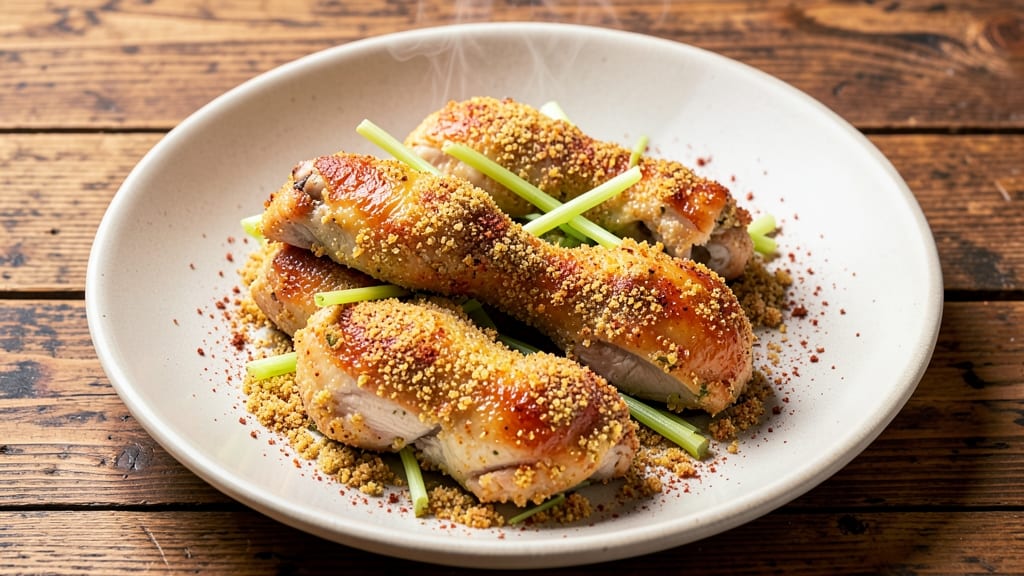
Mastering crispy celery-crusted chicken thighs and legs transforms a simple weeknight dinner into a restaurant-worthy centerpiece. The secret lies in the celery crust—a crispy, aromatic barrier that locks in juices while creating that coveted golden-brown exterior.
I developed this method after years of experimenting with breading techniques, and the results speak for themselves: tender, fall-off-the-bone meat with a crunch that disappears at first bite.
This recipe delivers foolproof results whether you're grilling, baking, or pan-searing—adjusting just one technique to match your preferred cooking method. The celery crust isn't just flavorful; it's functional, absorbing excess moisture while adding a subtle herbal depth that pairs perfectly with bold seasonings.
For maximum versatility, I've included a dry rub option that works equally well for Southern-style fried chicken or Moroccan tagine-inspired preparations.
What sets this apart is the balance of textures: crispy skin that shatters with each bite, yet meat so tender it practically melts in your mouth. The celery crust method ensures even cooking, eliminating the risk of dryness that plagues many chicken thigh recipes.
Whether you're serving this as a main course or prepping for meal prep, the results are consistently impressive—no matter how many times you make it.
The beauty of this technique extends beyond the main dish. Leftover crispy chicken thighs make incredible sandwiches, salads, or tacos the next day. For an elevated presentation, serve with a drizzle of honey-mustard glaze or a side of roasted vegetables that complement the dish's rich, savory profile.
Let's get cooking with this proven method that delivers every time.
Ingredients for chicken thighs and legs
Sixteen ingredients transform simple chicken thighs and legs into restaurant-quality bites with perfect crispy crusts.
| Ingredient | Amount | Notes |
|---|---|---|
| Bone-In, Skin-On Chicken Thighs and Legs 🍗 | 3 ½ lb | Thighs and drumsticks preferred, trim excess fat |
| Celery Stems 🧅 | 2 cups | Finely chopped, fresh for optimal flavor |
| All-Purpose Flour 🌾 | 1 ½ cups | For dredging, sifted for even coating |
| Panko Breadcrumbs 🍞 | 1 ½ cups | Japanese-style for extra crispiness |
| Diamond Crystal Kosher Salt 🧂 | 2 tbsp | Coarse grain for dry rub |
| Smoked Paprika 🌶️ | 1 tbsp | High-quality for deep flavor |
| Garlic Powder 🧄 | 1 ½ tsp | Freshly ground preferred |
| Ground Black Pepper 🌶️ | 1 tsp | Freshly cracked for maximum potency |
| Onion Powder 🧅 | 1 tsp | For subtle sweetness |
| Extra-Virgin Olive Oil 🫒 | ¼ cup | High-quality, fruity variety |
| Fresh Lemon Juice 🍋 | 2 tbsp | Brightens the celery crust |
| Unsalted Butter 🧈 | ¼ cup | Melted for basting |
| Fresh Parsley 🌿 | ¼ cup | Chopped for garnish |
The celery is non-negotiable for that signature crunch and herbal depth. Whole Foods or high-end grocery stores carry the thickest, most flavorful celery stems—look for vibrant green tops and firm, unblemished stalks. If you're using the entire celery root, Costco often sells it at a fraction of the price. For maximum efficiency, pulse the stems in a food processor until finely chopped, but don't over-blend into a paste. The texture must remain coarse to create that perfect crust. Freshly chopped celery releases more aroma than pre-packaged celery salt substitutes, which lack the complexity of whole celery's essential oils.
No panko? Regular breadcrumbs toasted in a dry pan for 3-5 minutes work in a pinch, though they'll lack the airy crunch. Substituting celery with finely chopped fennel at double the amount adds a licorice note that pairs beautifully with the smoky paprika. For the dry rub, Penzeys or McCormick carry premium spice blends if you prefer pre-mixed options, but freshly ground spices deliver superior flavor. The lemon juice can be swapped for white vinegar at half the amount if you're out, though it will alter the brightness slightly. For those avoiding gluten, almond flour or crushed cornflakes replace the all-purpose flour and panko in equal parts.
Store prepped chicken pieces in an airtight container between layers of parchment paper for up to 2 days before cooking to prevent sticking. The celery crust mixture keeps in the refrigerator for 3 days or frozen for 3 months in an airtight container. For meal prep, cook the chicken fully, then reheat in a 375°F oven for 10-15 minutes until crispy again. The dry rub components can be stored separately in a glass jar with an airtight lid for 6 months in a cool, dark place. Leftover crispy chicken makes excellent sandwiches or salads—just reheat until the crust is shatteringly crisp.
Why You'll Love This Recipe
- Here’s what sold me: bone-in, skin-on thighs cost half as much as breasts, and you get way more meat for the calories. The panko and flour are pantry staples, and the celery? I always have some lurking in the crisper. Plus, leftovers taste just as good the next day—wrap them in foil and reheat in the oven until crispy again. It’s the kind of recipe that makes me feel like I’m feeding a crowd without breaking the bank.
- No-Fuss Crispy Magic: I swear by the panko crust here—it’s not one of those recipes where you have to babysit the oven. Toss the thighs in flour, dip in beaten egg (if you’re feeling fancy), then coat with panko. Twenty minutes later, you’ve got golden, shatteringly crisp skin that doesn’t require a degree in patience. Honestly, the celery stems in the seasoning blend add this subtle, earthy depth that makes it taste like you actually put in effort.
- Flavor Payoff: Between us, bone-in skin-on thighs are where the real flavor lives. The salted crust clings like a hug, while the celery-infused seasoning under the skin keeps it juicy and aromatic. I’ll be real: the first time I made this, my partner asked for seconds before the plate hit the table. That’s the kind of dish that doesn’t need a sidekick—it’s its own main event.
- Game for Any Day: This recipe is my go-to for game days, lazy Sundays, or when I’m too tired to plan. The thighs stay tender even when reheated, so I’ll often prep a batch for the week. Toss them in a salad, serve over rice, or just eat them straight with a cold beer—no judgment. It’s the kind of meal that works just as well for a solo night in as it does for feeding a houseful.
Step-by-step instructions for crispy celery-crusted chicken thighs and legs
Here's the method that delivers perfect texture—crispy crusts with impossibly juicy centers every time.
Prepare the Celery Crust Mixture
In a food processor, pulse the 2 cups celery stems until you achieve a fine, sand-like consistency—think of it as a celery "flour." Transfer this to a mixing bowl. Add the 1.5 cups all-purpose flour, 1.5 cups panko breadcrumbs, 2 tablespoons diamond crystal kosher salt, 1 tablespoon smoked paprika, 1.5 teaspoons garlic powder, 1 teaspoon ground black pepper, and 1 teaspoon onion powder. Mix thoroughly until completely combined and no dry spots remain.
This dry blend is the secret to that signature celery crust—it needs to be uniformly distributed so every bite delivers that crispy texture. I like to use a whisk for the final mix to ensure even distribution of the spices throughout the breadcrumbs. The celery adds a subtle freshness that cuts through the richness of the chicken, while the panko creates that coveted crunch.
Season and Coat the Chicken
Pat the 3.5 lb bone-in, skin-on chicken thighs and legs completely dry with paper towels—this is critical for achieving maximum crispiness. Season both sides generously with additional diamond crystal kosher salt if needed, focusing on the skin and any exposed meat. Let the chicken sit at room temperature for 30 minutes while you prepare the crust.
Working in batches to avoid overcrowding, toss each piece of chicken in the celery crust mixture, pressing gently to adhere the coating. Place the coated chicken on a wire rack set over a baking sheet—this allows air to circulate around all sides, preventing steaming and ensuring even browning. The coating should be thick but not so heavy that it falls off when you handle the chicken.
Preheat and Create the Crispy Foundation
Preheat your oven to 425°F. In a large oven-safe skillet, heat the 0.25 cup extra-virgin olive oil over medium-high heat until it shimmers but doesn't smoke. Carefully add the coated chicken pieces in a single layer, being mindful not to overcrowd the pan. Cook for 8-10 minutes until the chicken is golden brown on the underside and the skin begins to crisp.
Here's where the magic happens: the high heat creates an immediate seal on the skin, locking in juices while building that crispy crust. If the pan gets too crowded, the chicken will steam instead of brown. I use tongs to gently press down on each piece for the first 30 seconds of cooking—this ensures full contact with the hot oil and prevents curling. Flip the chicken once and transfer the skillet to the preheated oven.
Finish with Butter and Lemon
Return the skillet to the oven and bake for 25-30 minutes, rotating the pan halfway through, until the chicken reaches an internal temperature of 165°F and the crust is deep golden brown with crispy edges. During the last 5 minutes of baking, drizzle the 0.25 cup melted unsalted butter and 2 tablespoons fresh lemon juice evenly over the chicken. This basting step adds richness and brightness, cutting through the savory crust.
The lemon juice also helps tenderize the skin slightly, making it more pliable while maintaining its crisp texture. The butter creates a glossy finish and enhances the caramelization of the crust. Remove the chicken from the oven and let it rest for 5 minutes before serving—this allows the juices to redistribute, ensuring each bite is as moist as it is crispy.
Garnish and Serve Immediately
Transfer the crispy chicken to a serving platter and sprinkle generously with the 0.25 cup chopped fresh parsley. The parsley adds a pop of color and freshness that balances the rich, savory flavors. Serve immediately with your choice of sides—roasted vegetables, a simple salad, or crusty bread to soak up any leftover pan juices.
Each piece should have a crispy, caramelized crust that gives way to juicy, tender meat inside. The celery crust adds a subtle freshness that complements the smoky paprika and savory chicken perfectly. If you're making this ahead, assemble the chicken and crust up to 4 hours in advance, then refrigerate uncovered before cooking—this enhances the crispiness even further.
Pro Tips For Making Chicken Thighs And Legs
- Trim the Fat First: Cut the thick white fat cap off each thigh before coating—it’s the fast track to even browning and crispier skin. I used to skip this, and half my batch would end up greasy instead of golden. Takes two minutes, saves you from second-guessing.
- Double-Dredge for Crunch: Dip thighs in flour, shake off excess, then dip in beaten egg (or buttermilk if you’re feeling fancy), and finally press into panko—don’t just sprinkle. The extra step locks in that shatteringly crisp crust. Yes, it’s messy, but the texture makes it worth it.
- Skip the Crowding: Fry thighs in a single layer, even if it means two batches. Overcrowding steams the skin instead of searing it, and you’ll end up with soggy breadcrumbs. A little patience here means no sad, limp coating later.
- Salt the Celery: Toss chopped celery stems with a pinch of kosher salt before adding to your pan or pot. It draws out moisture, so it sizzles instead of steams—meaning deeper flavor and less mush. I learned this after slurping down a bowl of bland, watery celery and wondering what went wrong.
Perfect pairings for this dish
Classic Southern Sides
Serve your crispy celery-crusted chicken thighs with classic Southern sides that complement the rich, savory flavors. Creamy macaroni and cheese with a buttery breadcrumb topping provides the perfect creamy contrast—the sharp cheddar and Gruyère blend cuts through the celery crust beautifully.
I bake mine in a cast-iron skillet until the top is golden and bubbly. 🧀
For a lighter option, collard greens slow-cooked with smoked turkey neck and apple cider vinegar add a tangy, slightly sweet depth. The vinegar brightens the dish while the turkey fat keeps the greens tender.
If you're short on time, cornbread with honey butter drizzled on top is a foolproof crowd-pleaser. The slight sweetness balances the smoky paprika in the crust.
Fresh Vegetable Pairings
A roasted Brussels sprouts salad with shaved fennel, toasted walnuts, and a lemon-Dijon vinaigrette provides a refreshing crunch. The bitterness of the Brussels sprouts contrasts the richness of the chicken, while the fennel adds a subtle licorice note that echoes the celery crust.
Toss everything together right before serving to maintain crispness. 🥬
For a heartier vegetable option, roasted sweet potatoes with smoked paprika and a drizzle of maple syrup caramelize beautifully. Their natural sweetness pairs wonderfully with the savory chicken, and the smoky paprika ties back to the seasoning in the crust.
Serve warm with a sprinkle of toasted pumpkin seeds for extra texture.
Global Flavor Complements
For a Moroccan-inspired twist, serve with couscous tossed with raisins, toasted almonds, and a pinch of cinnamon. The sweet-tart raisins and warm spices create a striking contrast to the celery crust's herbal notes. A side of harissa-roasted carrots adds a spicy kick that enhances the dish's global flavors. 🌶️
If you're leaning into Mediterranean flavors, a Greek-inspired salad with cucumber, cherry tomatoes, red onion, olives, and feta cheese offers a bright, tangy balance. Drizzle with extra-virgin olive oil and a splash of red wine vinegar for a refreshing accompaniment. The feta's saltiness complements the celery crust's herbal depth perfectly.
Sauce Elevations
Drizzle the finished chicken with a honey-mustard glaze made by simmering 2 tablespoons Dijon mustard, 1 tablespoon honey, and 1 tablespoon apple cider vinegar until thickened. The sweetness of the honey and the tang of the vinegar create a perfect balance with the savory chicken. 🍯
For a spicy kick, serve with a chipotle crema by blending ½ cup sour cream, 1 tablespoon adobo sauce (from canned chipotles), 1 clove roasted garlic, and a pinch of cayenne pepper.
The smoky heat from the chipotle enhances the smoked paprika in the crust, while the crema adds a creamy counterpoint. Drizzle generously over the chicken before serving.
Nutrition facts
Frequently asked questions
Why do chicken thighs and legs stay juicier than breasts?
Thighs and legs have more fat and connective tissue, which breaks down during cooking to create moisture. The celery crust in this recipe acts like a protective seal, locking in those juices while crisping the exterior. For best results, always cook to 165°F internal temp—never overcook!
Can I use boneless chicken thighs instead of bone-in?
Yes, but expect slightly faster cooking (20-25 minutes instead of 30-35 minutes). Boneless thighs cook more quickly because they have less mass to penetrate through. The celery crust will still crisp perfectly—just reduce oven time by about 5 minutes.
What's the best way to reheat leftover crispy chicken?
Place pieces on a baking sheet and reheat at 375°F for 10-12 minutes until the crust is shatteringly crisp again. Microwaving kills the crunch—this method restores both texture and temperature. For extra crispiness, broil for 2-3 minutes at the end.
Is celery crust better than buttermilk for crispy skin?
Each method has strengths! Buttermilk creates a lighter, more delicate crust, while celery adds herbal depth and extra crunch. This recipe's celery version delivers a dual-texture experience—crispy exterior with juicy interior—that works better for heartier dishes like thighs and legs.
How do I prevent the crust from falling off?
Pat the chicken completely dry before coating and press the celery mixture firmly onto each piece. Let the coated chicken rest on a wire rack for 10 minutes before cooking—this helps the crust adhere better. Avoid overcrowding the pan during initial searing.