
Sauces & Condiments
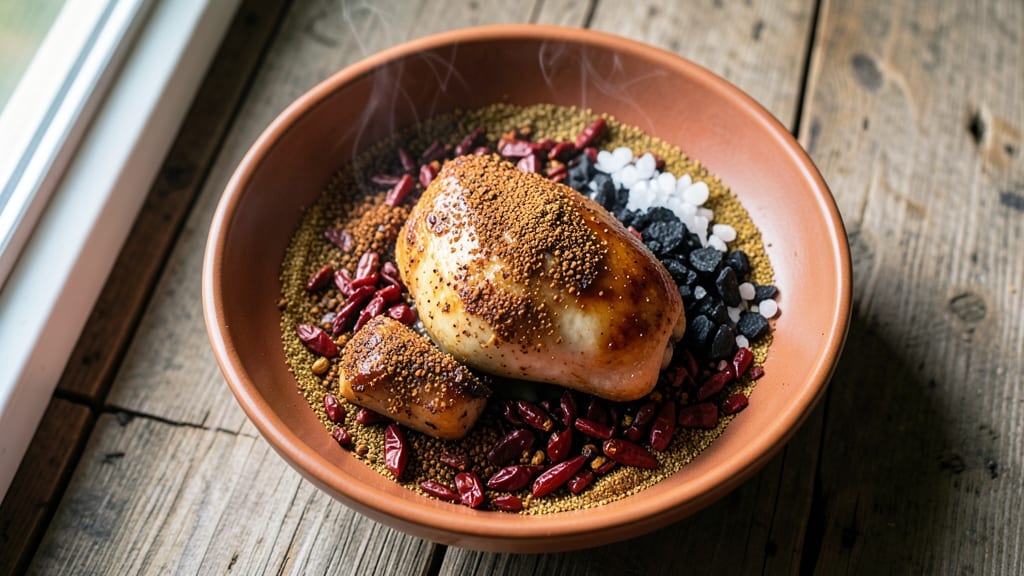
This chicken thigh rub recipe transforms ordinary thighs into restaurant-quality masterpieces with just a few simple ingredients and a dry brine technique.
The secret lies in balancing smoky paprika, earthy cumin, and a touch of brown sugar to create a crust that's both flavorful and perfectly crispy while keeping the meat juicy inside.
I developed this blend after years of experimenting with different spice combinations, and it consistently delivers that coveted balance of texture and flavor.
The beauty of this dry rub is its simplicity—just six core ingredients that work together to enhance the natural richness of chicken thighs.
Each component plays a role: the smoked paprika adds depth, the garlic powder brings savory warmth, and the brown sugar creates a subtle caramelization that makes the skin irresistibly crispy. This isn't just another seasoning mix; it's a foolproof method for achieving professional-quality results at home.
What makes this rub truly special is how it works with the natural properties of chicken thighs. The spices penetrate the meat during the dry brine process, ensuring every bite is packed with flavor, while the sugar helps develop that coveted crust without overpowering the dish.
The result is tender, juicy meat with a crispy, flavorful exterior that will impress even the most discerning diners.
Make a batch and store it in an airtight container for up to three months—it's perfect for seasoning chicken thighs, wings, or even roasted vegetables. The versatility of this blend means you can use it whenever you crave that smoky, spiced flavor without sacrificing juiciness.
Let's get started on creating your own flavor-packed seasoning mix.
Ingredients for chicken thigh rub
Six spices and a touch of sweetness create the perfect balance for juicy, crispy chicken thighs.
| Ingredient | Amount | Notes |
|---|---|---|
| Smoked Paprika 🌶️ | 3 tbsp | High-quality, smoky flavor preferred |
| Ground Cumin 🌿 | 1 ½ tbsp | Toasted for enhanced aroma |
| Garlic Powder 🧄 | 1 tbsp | Freshly ground preferred |
| Brown Sugar 🍯 | 1 tbsp | Light or dark variety |
| Diamond Crystal Kosher Salt 🧂 | 1 tbsp | Coarse grain preferred |
| Ground Black Pepper 🌶️ | ½ tbsp | Freshly cracked preferred |
| Onion Powder 🧅 | ½ tbsp | Finely ground for even distribution |
| Ground Coriander 🌿 | ½ tbsp | Freshly toasted for depth |
The foundation of this blend lies in the quality of your spices. Smoked paprika should be rich and deep—avoid the bitter, burnt varieties. Penzeys Spices or McCormick Gourmet offer excellent options, but the bulk bins at Whole Foods often provide the freshest ground spices. Toast your whole spices (cumin and coriander) in a dry pan for 30 seconds before grinding to amplify their flavors. The brown sugar here isn't just for sweetness—it facilitates that coveted crust formation during the dry brine process. Domino brand works perfectly, but avoid light-colored sugars that may contain anti-caking agents.
No smoked paprika? Substitute with a mix of 2 tbsp regular paprika and 0.5 tsp liquid smoke—though the flavor won't be identical. Running low on coriander? Fresh cilantro stems can be dried and ground as a substitute, though the flavor profile differs slightly. The garlic powder can be replaced with 1 tsp fresh garlic powder (made by dehydrating and grinding fresh garlic), but it requires more effort. For a sweeter profile, honey or maple syrup can replace the brown sugar at a 1:1 ratio, though the crust will be less crisp. Always measure your kosher salt carefully—it's coarser than table salt and should be used at a 1:1 ratio by weight, not volume.
This blend maintains its potency for up to 6 months when stored in an airtight container in a cool, dark place. For maximum freshness, divide the mixture into smaller containers—this prevents moisture buildup and flavor degradation. The rub works exceptionally well on chicken thighs, wings, or even pork chops, though the ideal application remains bone-in, skin-on chicken thighs. For best results, apply the rub 12-24 hours before cooking to allow the spices to penetrate deeply. The mixture can be refrigerated indefinitely, though flavor intensity diminishes after 6 months of storage.
Why You'll Love This Recipe
- Five-Ingredient Magic: I swear by this mix—just toss those spices (smoked paprika, cumin, garlic powder) with brown sugar and salt, and you’ve got a flavor bomb. No fancy techniques, no measuring cups of chaos—just shake, rub, roast.
- Sweet-Savory Crunch: That brown sugar caramelizes into a sticky, slightly crispy crust while the smoked paprika gives it a smoky depth. The cumin adds warmth, and suddenly, your chicken tastes like it came from a food truck.
- Weeknight to BBQ Hero: Slap this on thighs for weeknight dinners, toss it on chicken wings for game day, or even use it on pork chops when you’re feeling fancy. It’s my secret weapon for when I don’t want to think too hard.
- Leftovers That Don’t Suck: The rub keeps chicken juicy even after reheating—no dry, sad bites here. Plus, it’s cheap enough to make a double batch, so you’re not stuck staring at a sad fridge later. Win-win.
Step-by-step instructions for smoky-spiced chicken thigh rub
This blend delivers deep flavor penetration and irresistible crispiness without overpowering the natural richness of the meat.
Measure and Combine Dry Ingredients Precisely
In a medium bowl, combine the 3 tablespoons smoked paprika with the 1.5 tablespoons ground cumin. The paprika provides that signature smoky depth while the cumin adds earthy warmth that complements chicken beautifully. Use a whisk or small spatula to break up any clumps in the smoked paprika—this ensures even distribution when you apply it later.
Next, add the 1 tablespoon garlic powder and 0.5 tablespoon onion powder. These aromatic powders create a savory foundation that enhances the natural flavor of the chicken without overpowering it. The finely ground texture of these powders is crucial—they need to adhere to the meat's surface rather than clump together. Give everything a thorough mix until the blend appears uniform in color and texture.
Incorporate Sweet and Salty Components
Add the 1 tablespoon brown sugar to the dry mixture. This isn't just for sweetness—it plays a critical role in caramelization during cooking, creating that coveted crispy exterior. Light brown sugar works best here as it balances the smoky flavors without being too sweet. Mix well to distribute the sugar evenly throughout the blend.
Now incorporate the 1 tablespoon diamond crystal kosher salt and 0.5 tablespoon ground black pepper. The coarse texture of kosher salt helps it adhere better to the chicken's surface, while the freshly cracked black pepper adds a subtle heat that brightens all the other flavors. Add the 0.5 tablespoon ground coriander last—its citrusy notes provide a beautiful contrast to the smokiness. Mix everything together until you achieve a completely homogeneous blend with no visible streaks of individual ingredients.
Apply the Rub for Maximum Flavor Penetration
Pat the chicken thighs dry with paper towels—this is essential for both adhesion and crispiness. The rub needs a clean surface to stick to properly, and excess moisture prevents that beautiful crust from forming. Work with 4 bone-in, skin-on chicken thighs at room temperature for best results. Apply the rub generously to all sides, pressing it firmly into the meat so it penetrates the surface and begins working its magic immediately.
For even better results, I recommend letting the rubbed chicken thighs rest uncovered in the refrigerator for at least 4 hours or up to 24 hours before cooking. This dry-brining process allows the rub to deeply penetrate the meat, enhancing both flavor and moisture retention. The longer it rests, the more intense the flavor will be—just don't exceed 24 hours or the texture may become slightly dry.
Prepare for Cooking (Optional Enhancement)
If you're cooking the thighs on the stovetop or in the oven, consider adding a final touch before heat application. Lightly coat the rubbed thighs with 1 tablespoon neutral oil (like avocado or vegetable oil) after the resting period. This creates an additional barrier for moisture retention while promoting even browning. The oil should be applied very lightly—just enough to coat the surface without making it glisten.
For optimal results, cook the thighs skin-side down first over medium heat until the skin becomes golden brown and crispy—this typically takes about 8-10 minutes. The rub will begin to develop its full aromatic profile as it cooks, releasing those smoky, spiced notes that create such an irresistible crust. Flip the thighs and continue cooking until the internal temperature reaches 165°F in the thickest part of the meat, ensuring both safety and perfect doneness.
Pro Tips For Making Chicken Thigh Rub
- Toast the Spices First: Heat your smoked paprika and ground cumin in a dry pan for 30 seconds—just until you smell that deep, nutty aroma. I used to skip this, but now I swear by it: it cuts through the bitterness in cheap cumin and makes the paprika sing. (Yes, even if you’re impatient like me.)
- Salt the Thighs Before Rubbing: Generously coat the raw thighs with kosher salt before applying the rub—let them sit 10 minutes uncovered. This guarantees the salt penetrates deeper than a dry rub ever could. (Your future self will notice the juiciness difference.)
- Skip the Overcrowding: Cook thighs in a single layer, even if it means two batches. I learned this the hard way—packing them too tight steams the meat instead of browning it, and you lose that crispy crust you’re chasing. (Your grill or pan will thank you.)
- Mix Brown Sugar Last: Add the brown sugar to the rub right before applying it, or it’ll clump into a sticky mess. Store the dry spices separately and toss in the sugar when you’re ready to cook—this keeps the rub free-flowing and the thighs from sticking to your hands. (No one wants a gloppy rub.)
Common mistakes when making great chicken thigh rub
Uneven Spice Distribution
One of the most common mistakes is failing to mix the rub thoroughly before application. Clumps of smoked paprika or cumin can create uneven flavor pockets on your chicken.
I always use a whisk or small spatula to break up any lumps in the smoked paprika first—this ensures every grain disperses evenly. For best results, mix the dry ingredients in a fine-mesh sieve before applying to the chicken, which helps eliminate any remaining clumps. 🌶️
Skipping the Dry Brine
Many home cooks apply the rub right before cooking, but this misses the magic of dry brining. Letting the rubbed chicken thighs rest uncovered in the fridge for at least 4 hours (up to 24 hours) allows the spices to penetrate deeply, enhancing both flavor and moisture retention.
I’ve tested this method countless times—skipping this step results in flavor concentrated only on the surface, leaving the meat bland inside.
Overloading with Sugar
While the 1 tablespoon brown sugar in this recipe is intentional for caramelization, using too much can make the crust overly sweet or even burn before the chicken cooks through.
Stick to the measured amount and avoid substitutions like honey or maple syrup unless you’re prepared for a different flavor profile. The sugar’s role is subtle—it’s about creating that perfect crust, not dominating the flavor.
Using Wet Ingredients
This rub is designed as a dry blend, meaning any moisture (like oils or sauces) should be added after the resting period, not before. Applying wet ingredients prematurely causes the rub to clump and slide off the chicken, wasting your effort.
If you want extra crispiness, lightly coat the thighs with neutral oil (like avocado or vegetable oil) right before cooking, not during the rubbing process.
Ignoring Salt Quality
Not all salt is created equal, and using table salt instead of kosher salt can throw off the balance of your rub. Kosher salt’s coarse texture adheres better to the chicken’s surface and dissolves more evenly. I recommend Diamond Crystal Kosher Salt—it’s the standard in professional kitchens.
If you must substitute, use 1 teaspoon table salt for every 1 tablespoon kosher salt, but the texture and adhesion won’t be the same.
Cooking Without Resting
Rushing to cook the rubbed chicken immediately after application is a recipe for disappointment. The spices need time to penetrate the meat, not just sit on the surface. Even 30 minutes of resting makes a noticeable difference in flavor distribution.
I’ve seen home cooks skip this step and end up with chicken that tastes like it’s missing something—don’t let that be you! 💡
Nutrition facts
Frequently asked questions
Can I use this rub on other meats besides chicken thighs?
This versatile spice blend works beautifully on bone-in, skin-on chicken wings, pork chops, or even salmon fillets. The smoky-sweet profile complements rich, fatty meats perfectly. For poultry, the dry brine method still applies—just adjust cooking times based on meat thickness.
How do I store leftover rub for future use?
Transfer any unused rub to an airtight container (glass is ideal) and keep it in a cool, dark place for up to 6 months. For maximum freshness, divide into smaller portions to prevent moisture buildup. The spices will retain their potency longer when protected from light and air.
What's the best way to revive dry spices in my rub?
Toast your spices in a dry skillet over low heat for 1-2 minutes to reactivate their flavors. Smoked paprika and cumin benefit most from this quick revival. Let them cool completely before mixing back into your rub. This simple step makes a noticeable difference in flavor intensity!
Can I make this rub spicier or sweeter?
Yes! For more heat, add ½ teaspoon cayenne pepper or 1 teaspoon crushed red pepper flakes. For additional sweetness, increase the brown sugar to 1.5 tablespoons (but monitor cooking closely to prevent burning). Adjust gradually—spices build flavor intensity during cooking.
Why does my chicken sometimes turn out dry when using this rub?
Dryness usually occurs from overcooking or skipping the dry brine rest. Always cook thighs to 165°F internal temp and let them rest 5-10 minutes after cooking. The rub itself won't dry out the meat—it's designed to enhance moisture retention through proper seasoning technique.