
Main Courses
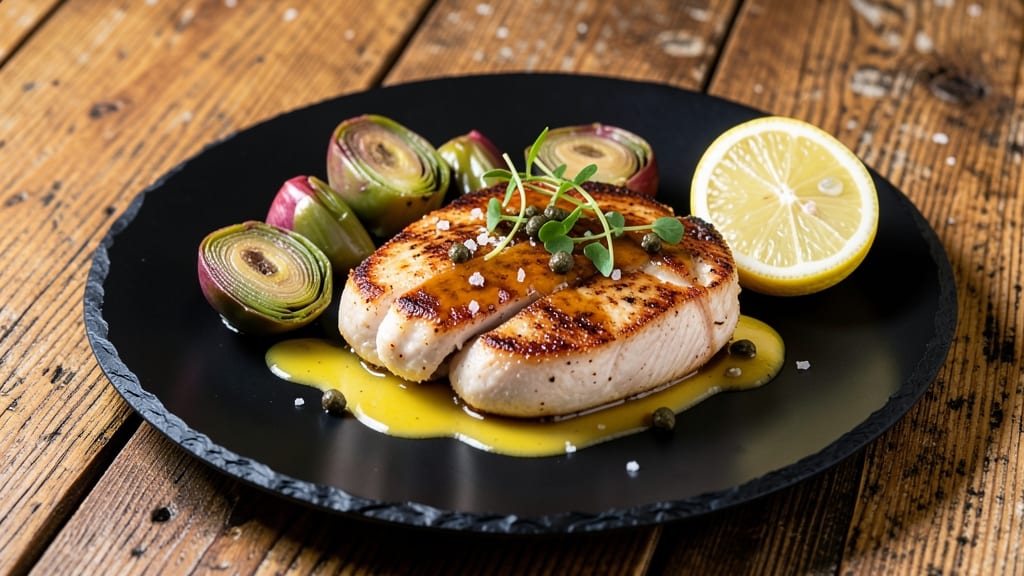
This chicken piccata with artichoke hearts delivers the perfect balance of crispy chicken, bright lemon sauce, and tender artichokes—all in under 30 minutes.
The secret lies in a crispy celery crust that adds texture while the tangy caper-lemon sauce cuts through the richness, creating a restaurant-worthy dish that’s surprisingly simple to make at home.
Pan-seared chicken cutlets develop a golden crust when coated in seasoned celery and flour, then cooked to perfection. Meanwhile, artichoke hearts absorb the zesty sauce while staying tender, adding a subtle brininess that complements the dish.
The sauce itself is a harmonious blend of lemon juice, butter, and capers, with just enough white wine to elevate the flavors without overpowering them.
What you’ll end up with is a plate that’s visually stunning and packed with contrasting textures—crispy chicken, velvety artichokes, and a glossy sauce that ties everything together. The celery crust adds a subtle crunch, while the lemon-zing sauce ensures every bite is bright and refreshing.
This dish is elegant enough for a dinner party but simple enough for a weeknight.
Serve it over a bed of al dente pasta or with a side of crusty bread to soak up every last drop of that tangy sauce. The technique is foolproof, and the results are consistently impressive—no fancy skills required. Let’s get cooking!
Ingredients for chicken piccata with artichoke hearts
Crispy chicken cutlets, bright lemon sauce, and tender artichokes—all you need for restaurant-quality chicken piccata.
| Ingredient | Amount | Notes |
|---|---|---|
| Boneless, Skinless Chicken Breast Cutlets 🍗 | 1 ½ lb | Pounded to even thickness |
| All-Purpose Flour 🌾 | ½ cup | For dredging cutlets |
| Celery Stalks 🧅 | 2 whole | Finely chopped, fresh preferred |
| Unsalted Butter 🧈 | 4 tbsp | Cold, cut into small cubes |
| Extra-Virgin Olive Oil 🫒 | 2 tbsp | For pan-searing |
| Dry White Wine 🍷 | ½ cup | Sauvignon Blanc preferred |
| Fresh Lemon Juice 🍋 | ¼ cup | Strained, no pulp |
| Capers 🍅 | 2 tbsp | Chopped, drained well |
| Marinated Artichoke Hearts 🍃 | 14 oz | Drained, patted dry |
| Garlic Cloves 🧄 | 3 cloves | Minced, fresh preferred |
| Diamond Crystal Kosher Salt 🧂 | 1 tsp | For seasoning |
| Freshly Ground Black Pepper 🌶️ | ½ tsp | For seasoning |
| Fresh Parsley 🌿 | ¼ cup | Chopped, for garnish |
The chicken breast cutlets are the foundation, so select high-quality, evenly sized pieces from the deli counter. Whole Foods Market or local butchers often carry the best cuts—look for plump, bouncy breasts with minimal connective tissue. Pounding them to an even thickness ensures consistent cooking. Celery adds a subtle crunch and depth of flavor; organic celery from the grocery store's produce section works perfectly, but avoid any with brown spots. For the artichoke hearts, Muir Glen or Whole Foods brand in 14-ounce cans delivers the best texture—just drain and pat thoroughly to prevent excess moisture in your sauce.
No white wine? Chicken broth with a splash of lemon juice works as a substitute, though the flavor won't be identical. The capers can be omitted entirely if you dislike briny notes, but they're essential for that classic piccata tang. Fresh parsley is ideal for garnish, but dried parsley at one-third the amount suffices in a pinch. For extra richness, add 1 tablespoon of heavy cream to the sauce, though traditional recipes keep it butter-based. The celery should be finely chopped—almost paste-like—to create that signature crust without overpowering the dish.
Store leftover chicken and sauce separately in airtight containers for up to 3 days in the refrigerator. Reheat gently in a skillet over medium heat, adding a splash of water or wine to deglaze. The artichoke hearts reheat beautifully but may soften further—best served fresh. For meal prep, assemble the dish just before serving to maintain crispiness. Freeze portions of the sauce separately for up to 3 months—thaw and reheat on the stove, stirring occasionally to prevent separation.
Why You'll Love This Recipe
- One-Pan Magic: I swear by this recipe for lazy nights—just sear the chicken, toss in the celery and artichokes, then let the lemon-butter sauce do the work. No extra pans, no fuss, and the cleanup is actually minimal.
- Crispy-Creamy Bliss: That golden crust on the chicken? Pure satisfaction. The flour dredge gives it texture, while the butter-lemon sauce melts into the artichokes—salty, tangy, and just rich enough to make you slow down.
- Weeknight to Dinner Party: Honestly, it’s my go-to for both Tuesdays and guests. The artichokes add a fancy touch without effort, and the bright, herby flavor feels special enough for company—but still easy enough to throw together when I’m exhausted.
- Budget-Friendly Leftovers: Chicken breast is affordable, and this recipe stretches further than you’d think. The sauce keeps well, so I often reheat it for lunches or toss it with pasta—no waste, just flavor. (Yes, even on a Tuesday night.)
Step-by-step instructions for chicken piccata with artichoke hearts
Master this technique and you'll achieve a perfect balance of crispy chicken and vibrant lemon sauce every time.
Prepare the Chicken Cutlets for Maximum Crispiness
Place the 1.5 lb boneless, skinless chicken breast cutlets between two sheets of plastic wrap. Using a meat mallet, pound them to an even ¼-inch thickness. This ensures even cooking and prevents the centers from staying undercooked while the edges crisp. The reason for this precision is simple: thinner cutlets cook faster and develop that golden crust without drying out.
Season both sides generously with 1 tsp diamond crystal kosher salt and 0.5 tsp freshly ground black pepper. Then dredge each cutlet in 0.5 cup all-purpose flour, shaking off any excess. The flour creates a delicate crust that will crisp beautifully when seared. Let the floured cutlets rest for 5 minutes while you prepare the pan - this allows the flour to adhere properly and prevents excessive crumbling during cooking.
Develop the Celery Crust Through Proper Searing
Heat 2 tbsp extra-virgin olive oil and 2 tbsp unsalted butter in a large skillet over medium-high heat until the butter foams and the oil shimmers. Add the 2 whole celery stalks, finely chopped, and cook for 3-4 minutes until they soften and begin to caramelize slightly. This step builds flavor depth that will carry through the entire dish.
Remove the celery from the pan and set aside. Immediately add the floured chicken cutlets to the skillet, working in batches if needed to avoid crowding. Cook for 2-3 minutes per side until golden brown and crispy. The cutlets should release easily from the pan when ready - this indicates proper doneness. Transfer to a warm plate and tent with foil to keep warm while you complete the sauce.
Build the Signature Lemon-Caper Sauce
Return the skillet to medium heat and add the 3 cloves minced garlic, cooking for 30 seconds until fragrant. Pour in the 0.5 cup dry white wine and scrape up any browned bits from the bottom of the pan - these contain concentrated flavor. Simmer for 2-3 minutes until the wine reduces by half, then add the 0.25 cup fresh lemon juice and 2 tbsp chopped capers.
Stir in the 14 oz drained, patted dry marinated artichoke hearts and the reserved chopped celery. Bring to a gentle simmer and cook for 3-4 minutes until the sauce thickens slightly. The sauce should coat the back of a spoon but remain light enough to cling beautifully to the chicken. If it thickens too much, add 1-2 tablespoons of water to adjust the consistency.
Finish with Artichoke Hearts and Garnish
Return the chicken cutlets to the skillet and spoon the sauce generously over them. Let everything heat through together for 1-2 minutes, allowing the chicken to absorb the final flavors. The artichoke hearts should be warmed through but still maintain their texture - they should be tender but not mushy.
Remove from heat and stir in the 0.25 cup chopped fresh parsley. Taste and adjust seasoning if needed, adding a pinch more salt or a squeeze of lemon if necessary. The sauce should be bright with lemon acidity and have a pleasant tang from the capers. Plate immediately with the chicken cutlets fanned over the artichoke hearts and sauce.
Pro Tips For Making Chicken Piccata With Artichoke Hearts
- Pound Chicken Evenly: I learned this the hard way—uneven thickness means some pieces cook into rubber while others stay raw. Use a rolling pin or meat mallet to tap the cutlets to exactly ½-inch thickness, then check with a ruler. This isn’t just about looks; it guarantees consistent doneness every time.
- Sear in Olive Oil First: Butter’s for finishing, not starting. Heat a heavy pan with 2 tablespoons of extra-virgin olive oil over medium-high until shimmering, then add the chicken. The oil won’t burn as easily as butter, and it gives the chicken a deeper, slightly grassy flavor before the lemon-butter sauce takes over.
- Salt the Celery: Celery’s the unsung hero here—it adds earthy depth, but most recipes forget to season it. Toss the chopped celery with a pinch of salt and a drizzle of olive oil while you prep the chicken. It’ll soften faster and taste like it belongs in the dish (not just a garnish).
- Deglaze with Cold Lemon Juice: After searing the chicken, resist the urge to pour in hot lemon juice straight from the jar. Let it cool slightly first—about 2 minutes—then deglaze with ¼ cup cold lemon juice. The acid cuts through the butter better, and you won’t end up with a gloppy, curdled sauce. (Yes, I’ve done it. No, you don’t want to repeat my mistake.)
Make-ahead tips for this chicken piccata with artichoke hearts
Prep Ahead Components
Start by prepping the chicken cutlets the night before—pound them to ¼-inch thickness and season with salt and pepper. Store them in an airtight container in the fridge. This step saves 15 minutes of active prep time the next day.
The celery crust can also be prepped in advance: finely chop 2 stalks and store in a small container with a sprinkle of salt to preserve freshness. This keeps everything ready for quick assembly. 💡
Sauce Prep Strategy
Make the sauce base a day ahead by combining 0.25 cup lemon juice, 2 tbsp capers, and 0.5 cup white wine in a saucepan. Simmer until reduced by half, then cool completely.
Store in an airtight container in the fridge. When ready to serve, simply reheat with the artichoke hearts and butter. This ensures the sauce maintains its bright acidity without becoming flat. 🍋
Artichoke Heart Prep
Drain and pat the 14 oz artichoke hearts thoroughly, then store them in a bowl with 1 tbsp olive oil and a pinch of salt. This prevents them from absorbing too much moisture, which could dilute your sauce later.
I like to preheat the oven to 350°F just before serving to warm them through quickly—this keeps their texture perfect. ✨
Make-Ahead Assembly
For a fully assembled dish, cook the chicken cutlets completely, then store them and the sauce separately in airtight containers. Reheat the chicken in a skillet over medium heat for 2-3 minutes, then add the prepped sauce and artichoke hearts.
Warm everything together for just 1-2 minutes to maintain crispiness. This method works best for lunches or quick dinners. 🔥
Freezer-Friendly Sauce
Portion the sauce into quart-sized freezer bags, removing as much air as possible to prevent freezer burn. Label with the date and freeze for up to 3 months. To use, thaw overnight in the fridge, then reheat gently on the stove.
The texture remains smooth, though the sauce may thicken slightly—just add 1 tbsp water and stir. This is my go-to method for batch cooking. ❄️
Reheating Chicken Perfectly
To revive the chicken's crispiness after storage, pat it dry with paper towels before reheating. Use a nonstick skillet over medium-high heat with 1 tbsp butter for 1-2 minutes per side.
The dry surface helps recreate that golden crust. Avoid microwaving—it turns the chicken rubbery. This technique works whether you're reheating from fridge or freezer. 💪
Nutrition facts
Frequently asked questions
Can I substitute chicken breast with another protein?
This recipe works beautifully with pork cutlets or thinly sliced chicken thighs (skin-on for extra crispiness). For fish lovers, try white fish like cod or halibut—just reduce cooking time to 2-3 minutes per side to avoid overcooking. The sauce pairs exceptionally well with all these proteins.
How do I prevent the chicken from drying out?
Pound the cutlets to an even ¼-inch thickness and cook them over medium-high heat for 2-3 minutes per side. Never overcrowd the pan—cook in batches if needed. Let the chicken rest for 5 minutes after cooking before adding the sauce to retain moisture.
What’s the best way to store leftovers?
Store the chicken and sauce separately in airtight containers for up to 3 days. Reheat the chicken in a skillet over medium heat with a splash of water or wine, then add the sauce and artichoke hearts. Warm everything together for 1-2 minutes to maintain crispiness. Avoid microwaving the chicken—it ruins the texture.
Can I make this dish ahead of time?
Yes! Prep the chicken cutlets and sauce separately up to 1 day ahead. Store the sauce in the fridge and reheat gently with the artichoke hearts. For the chicken, cook it completely, then refrigerate in an airtight container. Reheat in a skillet over medium heat for 2-3 minutes before adding the sauce. This keeps everything fresh and flavorful.
Why are my artichoke hearts mushy?
Overcooking is the most common cause. Artichoke hearts should simmer gently for just 3-4 minutes in the sauce. If they’re pre-cooked, they’ll soften further—keep cooking time short. Always drain and pat them dry before adding to the pan to prevent excess moisture.