
Sauces & Condiments
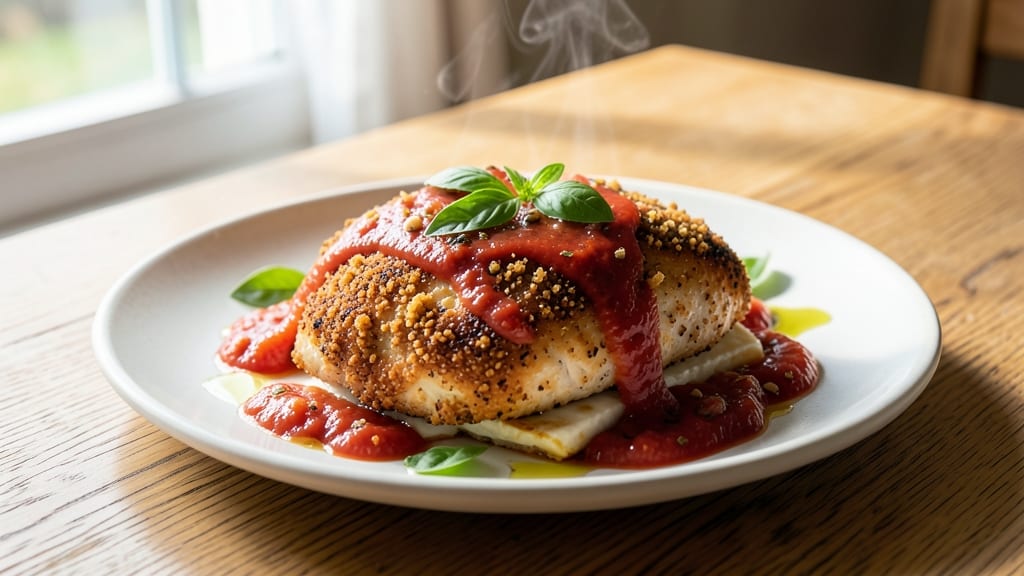
This perfect chicken parm marinara sauce recipe delivers the rich, umami-packed flavor that makes classic Chicken Parmesan unforgettable. After years of perfecting restaurant-quality marinara at home, I've cracked the code for a sauce that's silky, balanced, and packed with depth—no shortcuts, just precise technique and quality ingredients.
The secret lies in slow simmering crushed tomatoes with garlic, herbs, and a touch of sweetness to create that signature sweet-tangy profile.
What sets this sauce apart is the umami-rich tomato base developed through careful cooking methods. We start with high-quality crushed tomatoes that simmer until their natural sugars caramelize, creating a velvety texture without thinning the sauce.
The addition of garlic, fresh basil, and a splash of red wine adds complexity that elevates this from basic marinara to something truly special. This sauce isn't just for Chicken Parm—it's versatile enough to pair with pasta, meatballs, or even as a dipping sauce.
The result is a sauce that's perfectly balanced—sweet enough to complement breaded chicken, tangy enough to cut through richness, and rich enough to stand alone. The slow simmering process develops deep flavor while maintaining a smooth, velvety consistency that clings beautifully to every bite.
What makes this recipe particularly foolproof is the attention to detail in the cooking process, ensuring you get consistent results every time.
Once you've mastered this marinara, you'll never settle for bottled sauce again. It keeps beautifully in the refrigerator for up to five days or can be frozen for months, making it perfect for meal prep.
The technique is simple but requires patience—worth every minute for that restaurant-quality flavor at home. Let's get started on creating your perfect marinara sauce.
Ingredients for chicken parm marinara sauce
These ten ingredients transform into a restaurant-quality marinara that's silky, umami-rich, and perfect for Chicken Parm.
| Ingredient | Amount | Notes |
|---|---|---|
| Crushed Tomatoes (San Marzano preferred) 🍅 | 28 oz | High-quality canned, no salt added |
| Extra-Virgin Olive Oil 🫒 | ½ cup | For richness and depth |
| Garlic Cloves 🧄 | 6 cloves | Freshly minced, not pre-minced |
| Red Wine (Dry, like Cabernet Sauvignon) 🍷 | ½ cup | Bold, dry variety preferred |
| Fresh Basil Leaves 🌿 | ½ cup | Packed, stems removed |
| Tomato Paste 🍅 | 2 tbsp | Squeeze tube preferred |
| Granulated Sugar 🍚 | 1 tbsp | Balances acidity |
| Dried Oregano 🍃 | 1 tsp | Mexican oregano ideal |
| Salt 🧂 | 1 ½ tsp | Diamond Crystal preferred |
| Black Pepper 🌶️ | ½ tsp | Freshly ground |
The crushed tomatoes are your foundation—San Marzano is worth hunting down for its sweet, meaty texture. Trader Joe's and Whole Foods carry excellent brands, but any high-quality canned tomatoes work. The olive oil should be fruity and peppery—California extra-virgin brands like Corto or Filippo Berio shine here. Fresh garlic cloves are non-negotiable; pre-minced garlic lacks the aromatic punch. If you're using a bold red wine like Cabernet Sauvignon, it adds depth without overpowering the tomato base.
No red wine? Substitute with beef broth plus a splash of balsamic vinegar—it mimics the acidity and richness. Fresh basil is ideal, but dried basil at one-third the amount works in a pinch. The tomato paste can be swapped for sun-dried tomato paste for extra umami. For a sweeter profile, honey or maple syrup can replace sugar. The oregano should be Mexican if available—it has a distinct, earthy flavor that pairs perfectly with basil. Always taste as you go; adjustments are key to balancing the sauce.
This sauce develops flavor over time—30 minutes of simmering is ideal. Store it in an airtight container with a thin layer of olive oil on top to preserve freshness. Keeps 5-7 days in the fridge or 3 months frozen. Portion into ice cube trays for easy single-use portions—perfect for quick Chicken Parm nights. The sauce thickens as it cools, so don't worry if it looks too thin while hot.
Why You'll Love This Recipe
- Here’s what sold me: that splash of dry red wine simmering into the tomatoes? It cuts through the acidity, adding this rich, almost umami backbone. Not too sweet, not too heavy—just right. My picky-eating husband actually finishes his plate now.
- No Chopping Needed: I swear by this sauce—just crush the tomatoes, mince the garlic (or use pre-minced), and toss in the wine. The basil? Tear it by hand. That’s it. My busy nights thank me every time.
- Wine-Infused Depth: Here’s what sold me: that splash of dry red wine simmering into the tomatoes? It cuts through the acidity, adding this rich, almost umami backbone. Not too sweet, not too heavy—just right. My picky-eating husband actually finishes his plate now.
- Leftovers That Shine: Between us, this sauce improves the next day. The flavors meld, and it’s perfect for tossing with pasta, drizzling over grilled chicken, or even slathering on toast. I make double batches on Sundays—zero waste, all flavor.
Step-by-step instructions for chicken parm marinara sauce
Transform your chicken parm into an umami masterpiece with this deeply flavorful marinara.
Build the Flavor Base with Olive Oil and Garlic
Heat the 0.5 cup extra-virgin olive oil in a large saucepan over medium heat until shimmering but not smoking. Add the 6 minced garlic cloves and sauté for 2-3 minutes until fragrant and just beginning to turn golden. This is where the magic starts—don't let the garlic burn, or it'll turn bitter.
Here's the thing: the olive oil should be hot enough to infuse the garlic but not so hot that it burns instantly. You'll know you've got it right when the kitchen fills with that irresistible garlic aroma and the edges of the garlic start to lightly brown. Remove the pan from heat immediately after to preserve that delicate flavor.
Develop Depth with Wine and Tomato Paste
Return the pan to medium heat and pour in the 0.5 cup dry red wine, scraping up any browned bits from the bottom of the pan. Let it simmer for 3-4 minutes until reduced by about half and the alcohol has mostly evaporated. This step is crucial for building complexity—those browned bits are pure flavor.
Next, stir in the 2 tablespoons tomato paste and cook for another 1 minute until it darkens slightly. The paste will thicken the sauce and add a concentrated tomato flavor that balances the acidity of the crushed tomatoes we'll add next. Don't skip this step—it's what transforms ordinary sauce into restaurant-quality marinara.
Simmer the Tomatoes and Seasonings
Add the 28 ounces crushed tomatoes, 1 tablespoon granulated sugar, 1 teaspoon dried oregano, 1.5 teaspoons salt, and 0.5 teaspoon black pepper to the pan. Stir well to combine, then bring to a gentle simmer over medium-low heat. Let it cook uncovered for 20-25 minutes, stirring occasionally, until the sauce has thickened and reduced by about one-third.
This simmering time is where the sauce develops its rich, concentrated flavor. You'll notice the sauce will darken and the aroma will become more intense. Taste it after 15 minutes—if it needs more seasoning, add a pinch more salt or a splash of red wine. The sugar helps balance the acidity of the tomatoes while the oregano adds that classic Italian depth.
Finish with Fresh Basil and Adjust Consistency
Remove the pan from heat and stir in the 0.5 cup fresh basil leaves, stems removed. Let the sauce sit for 5 minutes to allow the basil to infuse its bright, fresh flavor. Then return the pan to low heat and check the consistency. If the sauce is too thick, thin it with 1-2 tablespoons water or reserved pasta water. If it's too thin, simmer uncovered for another 5-10 minutes to reduce it.
The basil should be added at the end to preserve its vibrant flavor and fresh aroma. This sauce should coat the back of a spoon but still be light enough to cling beautifully to your chicken parm. If you're making this ahead, let it cool completely before refrigerating—it'll actually taste better the next day as the flavors meld even more.
Pro Tips For Making Chicken Parm Marinara Sauce
- Sweat the Garlic Low: After burning three batches of garlic in olive oil, I finally learned to cook it on medium-low heat until it’s just fragrant—not golden. For this sauce, add the minced cloves last, stir once, then remove from heat immediately. The wine will finish cooking them gently, and your sauce won’t taste like you set the kitchen on fire.
- Deglaze with Wine: Pour that dry red wine into the pan after browning the chicken (if you’re doing a one-pot approach) and let it bubble for 30 seconds before adding tomatoes. This pulls up all the crispy bits stuck to the bottom—no scraping required—and gives the sauce depth. Skip this, and your sauce will taste flat, like it’s missing something.
- Simmer Slow and Long: The crushed tomatoes need at least 20 minutes of steady simmering to break down and thicken properly. Cover the pot, reduce heat to a bare simmer, and resist the urge to check every two minutes. This isn’t a race; let it work its magic, or you’ll end up with a watery sauce that clings like regret.
- Add Basil at the End: Tossing in fresh basil leaves while the sauce is still hot will turn them to mush in minutes. Instead, stir in a handful of torn leaves during the last 5 minutes of simmering, then add the rest just before serving. For extra brightness, save a few leaves to garnish—it makes the dish look (and taste) like you put in effort.
Perfect pairings for this dish
Pasta Pairings
This marinara sauce is a match made in heaven with spaghetti or linguine, where its silky texture clings beautifully to the strands. I like to toss 8 oz fresh pasta with the sauce and finish with grated Parmigiano-Reggiano and a crack of black pepper.
For a rustic touch, try bucatini—its hollow center holds the sauce perfectly. 🍝
Meatball Combinations
Serve this sauce with beef or pork meatballs for a classic Italian combo. I use 8 oz homemade meatballs (try my recipe with ground chuck, breadcrumbs, and Parmesan) simmered in the sauce until tender.
The rich umami of the sauce complements the meatballs beautifully. For extra depth, add a splash of balsamic glaze before serving.
Dipping Sauce
This marinara doubles as an incredible dipping sauce for garlic bread, mozzarella sticks, or fried calamari. Warm the sauce slightly and serve in a small bowl with crusty bread for dipping.
I often make a double batch and keep it in the fridge for quick appetizer nights. The balance of sweetness and acidity makes it irresistible. 🍅
Breakfast Twist
Yes, you read that right—this sauce is fantastic with eggs. Try it with shirred eggs or fried eggs on toast for a brunch upgrade. The acidity cuts through the richness of the eggs, while the tomato flavor adds a savory depth.
I like to top poached eggs with a spoonful of sauce and sprinkle with fresh basil. It’s a game-changer for lazy weekend mornings.
Vegetarian Bowls
For a plant-based meal, pair this sauce with roasted eggplant, zucchini, or mushrooms. Toss with quinoa or farro for a hearty bowl. The sauce’s depth stands up to the earthiness of roasted vegetables, making it a versatile option for meatless dinners.
Add a sprinkle of pecorino cheese for extra richness.
Wine and Beer Pairings
A Chianti Classico or Montepulciano d'Abruzzo wine complements the sauce’s acidity and depth. For beer lovers, a light Italian lager like Peroni or a Belgian witbier with citrus notes works beautifully. The effervescence cleanses the palate between bites. Avoid heavy reds—they’ll overpower the sauce’s delicate balance. 🍷
Nutrition facts
Frequently asked questions
Can I make this marinara sauce without red wine?
For every 0.5 cup red wine called for, substitute with 0.5 cup beef broth plus 1 tablespoon balsamic vinegar. This maintains the acidity and depth while avoiding alcohol. The vinegar adds a subtle tang that mimics wine's complexity beautifully. For extra richness, add 1 teaspoon soy sauce to enhance umami.
How do I adjust the sauce if I want it creamier?
For a velvety texture, stir in 2-4 tablespoons heavy cream or half-and-half at the very end (after adding basil). Start with 2 tablespoons and taste—you can always add more. The sauce should still coat a spoon but remain light enough to cling to chicken. For a dairy-free option, use 1 tablespoon coconut milk instead.
Why did my sauce turn out too acidic?
This usually happens when tomatoes aren't fully simmered to reduce acidity. Next time, add 1 extra tablespoon sugar or 1 teaspoon honey to balance the tang. Also, ensure you're using San Marzano tomatoes (or similar sweet varieties) and simmer uncovered for the full 20-25 minutes—this allows excess acid to evaporate while concentrating flavors.
Can I make this sauce in a slow cooker?
Yes! Follow the same steps until adding the tomatoes, then transfer everything to a 3-4 quart slow cooker on low heat for 4-5 hours. Stir occasionally and add 1-2 tablespoons water if it gets too thick. The slow cooking enhances depth, but taste frequently—you may need to adjust seasoning. For best results, finish with fresh basil just before serving.
What's the best way to reheat this sauce?
Gently reheat on low heat in a saucepan with a splash of water or reserved pasta water to prevent sticking. Avoid high heat—this can break down the tomato flavor. For frozen sauce, thaw in the fridge overnight, then reheat slowly. If the sauce thickens too much, stir in 1 tablespoon water at a time until it reaches your desired consistency.