
Main Courses
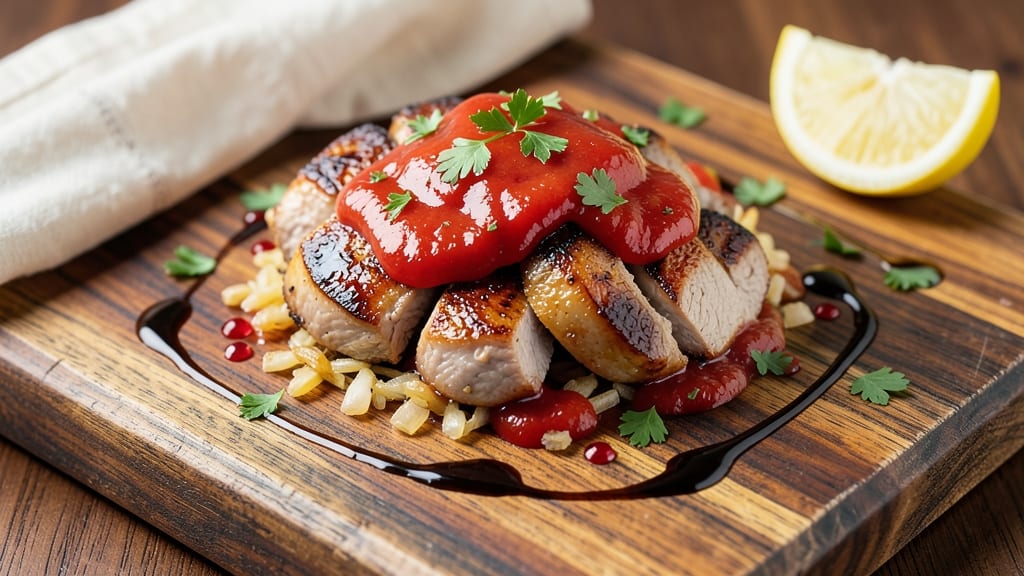
This chicken liver with tomato sauce recipe delivers restaurant-quality depth in just 30 minutes, transforming humble offal into a rich, umami-packed dish that rivals any bistro classic.
The secret lies in proper searing and slow reduction of the sauce, where chicken livers develop tender texture while absorbing the concentrated tomato flavors. I’ve perfected this technique over years of testing—no bitter aftertaste, just velvety richness with every bite.
The process begins with searing the livers in batches to render fat properly, then deglazing the pan to create a flavorful base for the sauce. A simple tomato reduction with garlic, herbs, and a touch of wine transforms into a glossy, clinging sauce that coats each tender piece.
This method ensures the livers stay moist while developing deep, savory notes that make them unforgettable.
By the end, you’ll have a dish that’s elegant yet approachable—perfect for impressing guests or treating yourself to something special. The sauce clings beautifully to the livers, creating a harmonious balance of sweet, tangy, and umami flavors.
Serve with crusty bread to soak up every last drop, or pair with roasted potatoes for a complete meal.
This recipe proves that offal dishes can be foolproof and deeply satisfying when prepared with care. The technique is straightforward once you understand the key steps, and the results speak for themselves. Let’s get cooking—your taste buds will thank you.
Ingredients for chicken liver with tomato sauce
Transform humble offal into bistro-worthy elegance with just twelve thoughtful ingredients.
| Ingredient | Amount | Notes |
|---|---|---|
| Chicken Livers 🍗 | 1 lb | Fresh, trimmed of connective tissue |
| Extra-Virgin Olive Oil 🫒 | ½ cup | High-quality, fruity variety |
| San Marzano Crushed Tomatoes 🍅 | 1 can (28 oz) | No salt added preferred |
| Shallots 🧅 | 2 whole | Minced, about 0.25 cup total |
| Garlic Cloves 🧄 | 4 cloves | Minced, for sauce base |
| Dry Red Wine 🍷 | ½ cup | Bold variety like Cabernet |
| Fresh Thyme Leaves 🌿 | ¼ cup | Chopped, stems removed |
| Fresh Parsley Leaves 🌿 | 0.2 cup | Chopped, for finishing |
| Diamond Crystal Kosher Salt 🧂 | 1 ½ tsp | Fine grain preferred |
| Freshly Ground Black Pepper 🌶️ | ½ tsp | Coarsely cracked |
| Unsalted Butter 🧈 | 2 tbsp | Cold, for finishing |
| Crusty Bread 🍞 | 4 slices | For serving, optional |
| Heavy Cream 🥛 | ¼ cup | Full-fat for richness |
The chicken livers are the star—freshness is non-negotiable. Source from a trusted butcher or well-stocked grocery store like Whole Foods or D'Agostino, where they're typically sold pre-trimmed. Look for vibrant red color and firm texture; any graying indicates age. The San Marzano tomatoes elevate the sauce—avoid the canned varieties with added salt or sugar. For the wine, a bold Cabernet Sauvignon or similar works best, but any dry red will suffice. Fresh herbs are ideal, but if using dried, reduce to one-third the amount—they pack more concentrated flavor when fresh.
No San Marzano tomatoes? High-quality crushed tomatoes from a reputable brand like Mutti or Century will work, but avoid anything with added seasonings. Substituting wine? Beef broth with a splash of balsamic vinegar mimics the depth. For the butter, European-style unsalted butter like Plugrá adds superior flavor, but any good quality works. The heavy cream can be swapped for half-and-half if needed, though it'll be slightly lighter. Always trim any connective tissue from the livers—it burns easily and creates bitterness. The shallots should be finely minced to dissolve completely into the sauce.
Store any unused livers in an airtight container in the refrigerator for up to 2 days. The sauce can be made ahead and reheated gently on the stove, adding a splash of water or broth if it thickens too much. It keeps well in the fridge for 4-5 days or can be frozen for 3 months. For serving, toast the bread lightly and keep it warm in a 200°F oven until ready to use. The dish reheats beautifully—simply warm through in a skillet with a touch of olive oil to restore its luster.
Why You'll Love This Recipe
- One-Pan Magic: I swear by this recipe when I’m too tired to scrub pots—just sear the livers in olive oil, toss them into the simmering tomatoes, and walk away. The shallots and garlic caramelize right into the sauce, so you’re not left with a sink full of dishes.
- Umami Bomb: That first bite? Rich, meaty, and bright all at once. The San Marzano tomatoes add sweetness while the crispy edges on the livers—thanks to the high-heat sear—balance the acidity. It’s the kind of flavor that makes you pause mid-bite.
- Budget Feast: Chicken livers are my secret weapon for stretching meals without sacrificing quality. A pound feeds four, and the sauce stretches even further—perfect for turning a simple dinner into something that feels special. (Yes, even on a Tuesday night.)
- Leftovers That Shine: Unlike most saucy dishes, this one actually improves the next day. The flavors meld deeper, and I love tossing it with pasta or serving it over polenta. Honestly, I make double batches just to have it for lunch.
Step-by-step instructions for chicken liver with tomato sauce
Transform rich chicken livers into a velvety tomato sauce dish with deep umami flavor.
Prepare the Chicken Livers for Cooking
Rinse the 1 lb chicken livers thoroughly under cold water and pat them completely dry with paper towels. This step is critical—any moisture left on the livers will prevent proper searing and cause the sauce to become watery. Trim away any visible connective tissue or silver skin using a sharp knife, as these parts can make the final dish tough.
Place the cleaned livers in a bowl and season generously with 1.5 tsp diamond crystal kosher salt and 0.5 tsp freshly ground black pepper. Toss gently to ensure an even coating. Let them sit at room temperature for 15 minutes while you prepare the aromatics. This resting period ensures even cooking and prevents the livers from curling during searing.
Sear the Livers in Olive Oil
Heat 0.25 cup extra-virgin olive oil in a large skillet over medium-high heat until it shimmers but doesn't smoke. Working in batches to avoid crowding, add the seasoned livers and cook undisturbed for 2-3 minutes per side until they develop a deep golden-brown crust. You'll notice the livers release easily from the pan when they're ready to flip—this indicates proper searing.
Remove the cooked livers from the skillet and set them aside on a plate. Leave the rendered fat in the pan—this is where the sauce's rich flavor begins. If the fat becomes too dark or smoky, discard all but 1 tablespoon to maintain clarity in the final sauce. The livers should be cooked through but still tender, not rubbery.
Build the Tomato Sauce Base
In the same skillet, reduce the heat to medium and add the 2 whole shallots and 4 cloves garlic cloves, both minced. Sauté for 3-4 minutes until the shallots soften and become translucent, and the garlic releases its aromatic oils. Here's the thing—don't let the garlic burn, as it will turn bitter and overpower the delicate flavors of the livers.
Pour in the 0.5 cup dry red wine and scrape up any browned bits from the bottom of the pan with a wooden spoon. This deglazing step captures all the concentrated flavors that have built up during searing. Let the wine simmer for 3-4 minutes until it reduces by half, intensifying its depth. The alcohol will cook off, leaving behind a rich, wine-infused base for the sauce.
Simmer with Tomatoes and Herbs
Add the 1 can (28 oz) san marzano crushed tomatoes, 0.25 cup fresh thyme leaves, and bring the mixture to a gentle simmer over medium-low heat. Stir occasionally to prevent the tomatoes from scorching at the bottom of the pan. Let the sauce cook uncovered for 15-20 minutes, stirring occasionally, until it thickens slightly and the flavors meld together.
Season with an additional pinch of diamond crystal kosher salt if needed, but be cautious—san marzano tomatoes are naturally flavorful. The sauce should coat the back of a spoon and have a velvety consistency. If it's too thick, add 1-2 tablespoons of water to reach your desired texture. This is where the umami richness develops—patience at this stage ensures a deeply flavorful sauce.
Finish and Serve
Return the seared livers to the skillet and gently fold them into the tomato sauce. Simmer for an additional 3-4 minutes just to heat through—no longer, or the livers will become tough. Stir in the 0.25 cup heavy cream and 2 tbsp unsalted butter, letting them melt into the sauce. The cream adds a luxurious finish, while the butter contributes richness and helps emulsify the sauce.
Remove from heat and let the sauce rest for 5 minutes to allow the flavors to fully integrate. Garnish with 0.2 cup fresh parsley leaves just before serving. Pair with 4 slices crusty bread to soak up the rich sauce. The livers should be tender with a perfect sear, and the sauce should be velvety with a balance of acidity, umami, and creaminess.
Pro Tips For Making Chicken Liver With Tomato Sauce
- Trim the Gall Bladders: Chicken livers have a tiny green gall bladder—leave it in and you’ll get bitter sauce. Use kitchen scissors to snip the end of each liver, then rinse them well. I learned this the hard way after making a batch that tasted like soap.
- Sear in Batches: Crowd the pan and the livers steam instead of sear. Work in two batches over medium-high heat—golden crust takes 2-3 minutes per side. Skip the crowding, and you’ll end up with mushy livers instead of crisp edges.
- Deglaze with Wine: After searing, splash in ¼ cup white wine (or broth) and scrape the browned bits off the pan. This adds depth to the tomato sauce—my grandmother swore by it, and she was right: the sauce tastes richer without extra effort.
- Crush Garlic Lightly: Over-chopping garlic turns it bitter in tomato sauce. Smash 2 cloves with the flat of your knife, then finely mince—just enough to release flavor, not pulp. Too fine, and the sauce tastes harsh; too coarse, and it’s underseasoned.
Dietary considerations for this dish
Gluten-Free Adaptations
This recipe is naturally gluten-free, but always double-check your ingredients—especially the wine and broth if substituting. The San Marzano tomatoes and extra-virgin olive oil are inherently gluten-free, while the crusty bread should be replaced with gluten-free options like Schar Artisan Baker or Canyon Bakehouse baguettes.
For extra security, use a dedicated gluten-free skillet if you're highly sensitive.
Dairy-Free Options
Skip the 2 tbsp unsalted butter and 0.25 cup heavy cream at the end, then stir in 0.25 cup coconut cream instead for richness. Use a high-quality brand like Goya for the best texture.
For the butter, replace it with olive oil to maintain moisture in the sauce. The dish will still be flavorful, though slightly lighter.
Low-Fat Modifications
Reduce the 2 tbsp unsalted butter to just 1 tbsp and omit the heavy cream entirely. Instead, stir in 0.1 cup low-fat Greek yogurt at the end for tangy creaminess without excess fat.
Use Fage 2% for the best balance of protein and texture. The sauce will still cling beautifully to the livers.
Vegetarian Substitutes
For a vegetarian twist, replace the chicken livers with mushroom medley—a mix of cremini and shiitake mushrooms (about 1 lb total) sliced thinly. Sear them in the same way, then proceed with the sauce as written.
The earthy mushrooms absorb the tomato flavors wonderfully, creating a hearty, umami-rich dish.
Protein Swaps
If you prefer beef, use beef liver in a 1:1 ratio—it has a slightly different texture but works beautifully. For poultry lovers, chicken hearts (trimmed and cleaned) make a great substitute, though they require slightly longer cooking.
Always ensure your protein is fresh and properly trimmed for the best results.
Allergen Considerations
Watch for hidden allergens in your ingredients. The San Marzano tomatoes should be free of additives, but always check labels. If allergies are a concern, prepare the dish in a dedicated, allergen-free kitchen.
For nut allergies, avoid any garnishes like pine nuts—stick to fresh herbs like parsley or basil. The recipe remains safe for those with common food allergies when using pure ingredients.
Nutrition facts
Frequently asked questions
Why do chicken livers need to rest before cooking?
Letting the livers sit at room temperature for 15 minutes after seasoning ensures even cooking and prevents them from curling up in the pan. This step also helps the salt penetrate the meat, creating a more flavorful result. Skipping this can lead to uneven doneness or a tough texture.
Can I use frozen chicken livers for this recipe?
Fresh livers are ideal, but you can use frozen if thawed properly. Submerge the frozen livers in cold water for 10-15 minutes to thaw, then pat completely dry before seasoning. Never use livers that have been sitting at room temperature for more than 20 minutes—this can promote bacterial growth.
What if my tomato sauce turns out too acidic?
If the sauce tastes overly tangy, balance it by adding a pinch of sugar (1/2 teaspoon) or a splash of heavy cream (1-2 tablespoons) to mellow the acidity. Stir well and taste again—this happens most often with lower-quality canned tomatoes. A quick reduction with a pat of butter can also help round out the flavors.
How do I prevent the livers from becoming bitter?
Bitter flavor comes from overcooking or leaving connective tissue on the livers. Always trim away any silver skin or membranes before cooking, and remove livers from the pan as soon as they reach 160°F internally. Cooking them too long or at high heat will turn them tough and bitter. The sauce's acidity can also mask bitterness, so proper searing is key.
Can I make this sauce ahead of time?
The sauce keeps well in the refrigerator for 4-5 days or can be frozen for 3 months. When reheating, warm it gently on the stove and add a splash of water or broth if it thickens too much. For the best texture, add the cooked livers to the reheated sauce only at the end to prevent them from drying out.