
Sauces & Condiments
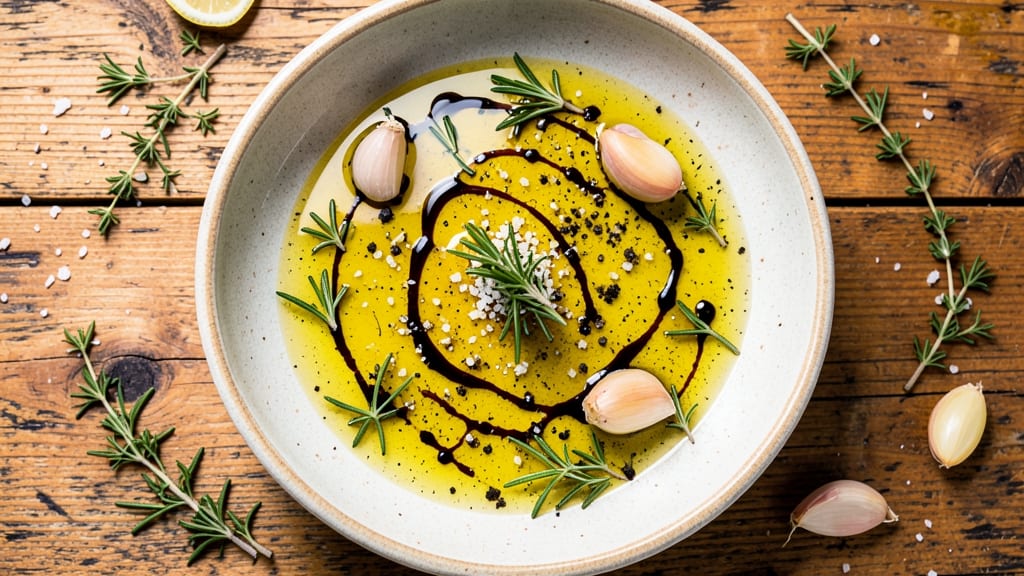
A chicken leg marinade recipe that transforms tough meat into juicy, tender bites starts with this celery salt crust method—where bold spices and acid work together to break down fibers while creating a flavorful bark.
The secret lies in balancing salt, acid, and oil to tenderize without overpowering the natural taste of the chicken, ensuring every bite stays succulent and packed with flavor.
This marinade combines classic pantry staples like olive oil, lemon juice, and garlic with a unique celery salt crust that adds depth while keeping the meat moist.
The 30-minute marinating time is just enough to infuse flavor without making the chicken mushy, and the crust creates a satisfying crunch that contrasts perfectly with the tender interior.
What makes this marinade special is its versatility—it works equally well for grilling, baking, or pan-searing, and the flavors develop even more after resting.
The celery salt crust isn’t just for show; it enhances the natural sweetness of the chicken while adding a subtle, savory note that pairs beautifully with herbs like thyme or rosemary.
Store any leftover marinade in an airtight container in the refrigerator for up to 5 days, making it easy to prep ahead for your next meal. Whether you're cooking for a crowd or treating yourself to a simple weeknight dinner, this marinade guarantees restaurant-quality results with minimal effort.
Ingredients for chicken leg marinade
Nine essential ingredients create the perfect balance for transforming chicken legs into restaurant-quality bites.
| Ingredient | Amount | Notes |
|---|---|---|
| Extra-Virgin Olive Oil 🫒 | ½ cup | High-quality, fruity variety preferred |
| Fresh Lemon Juice 🍋 | ¼ cup | Freshly squeezed for optimal acidity |
| Celery Salt 🧂 | 2 tbsp | Diamond Crystal preferred for texture |
| Garlic Cloves 🧄 | 6 cloves | Freshly minced for potent flavor |
| Fresh Rosemary 🌿 | 1 tbsp | Finely chopped, stems removed |
| Fresh Thyme Leaves 🌿 | 1 tbsp | Or 1 tsp dried thyme if fresh unavailable |
| Ground Black Pepper 🌶️ | 1 tsp | Freshly cracked for maximum aroma |
| Kosher Salt 🧂 | 1 ½ tsp | For balancing seasoning |
| Honey 🍯 | 1 tbsp | Wildflower preferred for depth |
| Worcestershire Sauce 🍶 | 1 tbsp | Lea & Perrins brand recommended |
The celery salt is non-negotiable—Diamond Crystal provides the ideal texture for that signature crust. For the olive oil, prioritize high-quality extra-virgin with noticeable fruity notes; California-grown brands typically excel. Fresh garlic and herbs are critical: organic rosemary and thyme from the grocery store's produce section will yield the best results. If you're using dried herbs, reduce to one-third the amount. The Worcestershire sauce adds umami depth—Lea & Perrins is the gold standard, but any quality brand works. For honey, local wildflower varieties often provide the most complex flavor profile.
No celery salt? Substitute 1 tbsp coarse sea salt plus 1 tsp finely ground celery seeds—though the texture won't be identical. Fresh herbs unavailable? Dried thyme and rosemary at one-third quantity work, but you'll lose some brightness. For the Worcestershire sauce, soy sauce plus a dash of vinegar provides a reasonable alternative. The honey can be swapped for maple syrup if preferred. If you're concerned about the marinade being too acidic, reduce the lemon juice to 2 tablespoons and add an extra tablespoon of honey to balance. The olive oil is best used within 6 months of opening for optimal flavor.
This marinade maintains peak freshness for 5 days refrigerated when stored in an airtight container. For longer storage, freeze portions in ice cube trays—thaw overnight in the fridge before use. The celery salt crust develops best when applied fresh, but you can marinate the chicken for up to 4 hours ahead of time. For maximum tenderness, let the marinated chicken rest at room temperature for 15 minutes before cooking. The flavors continue developing during this time, ensuring every bite is perfectly balanced.
Why You'll Love This Recipe
- Five-Ingredient Magic: I swear by this combo—no fancy prep, just toss everything in a bowl. The olive oil and lemon juice cling to the skin like a dream, while the celery salt adds this weirdly addictive crunch. Honestly, it’s the kind of marinade that makes me feel like I’ve actually cooked something special.
- Crispy-Garlicky Bliss: That garlic-rosemary punch? It’s the star. The rosemary stays fragrant even after baking, and the celery salt gives the skin a snap—like biting into a perfectly grilled leg. I’ll be real: I’ve ruined better recipes trying to replicate this flavor.
- Weeknight to BBQ Hero: Slap this on chicken legs for a weeknight dinner, then double the batch for summer cookouts. It works on the grill, in the oven, or even thrown on a sheet pan with potatoes. My daughter’s friends have asked for seconds three times now—proof it’s a crowd-pleaser.
- Budget-Friendly Leftovers: Celery salt and rosemary stretch this marinade’s value, and the leftovers? Even better the next day. I keep a jar in the fridge for last-minute meals—just reheat, and it’s like a restaurant-quality bite. No waste, all flavor.
Step-by-step instructions for chicken leg marinade
This marinade transforms ordinary chicken legs into restaurant-quality bites with crispy crusts and juicy interiors.
Combine Wet Ingredients for Balanced Flavor
In a medium bowl, whisk together the 0.5 cup extra-virgin olive oil and 0.25 cup fresh lemon juice until fully emulsified. The acidity from the lemon juice will tenderize the chicken while the olive oil carries the marinade's rich flavors into every bite. Add the 1 tbsp Worcestershire sauce and 1 tbsp honey, whisking until the honey dissolves completely. This combination creates a perfect balance of sweet, tangy, and umami notes that penetrate deeply during the marinating process.
The Worcestershire sauce adds depth, while the honey provides subtle sweetness that caramelizes beautifully during cooking. Here's the thing—don't rush this step. Let the mixture sit for 2 minutes while you prepare the remaining ingredients so all flavors fully integrate. The honey should create a slight sheen on the surface, indicating proper emulsification.
Incorporate Herbs, Aromatics, and Seasonings
Add the 6 minced garlic cloves, 1 tbsp finely chopped fresh rosemary, and 1 tbsp fresh thyme leaves to the wet mixture. Using a wooden spoon, gently fold these ingredients until they're evenly distributed throughout the marinade. The fresh herbs should release their aromatic oils immediately, filling your kitchen with their fragrant essence. Next, incorporate the 2 tbsp celery salt, 1.5 tsp kosher salt, and 1 tsp ground black pepper, stirring until completely dissolved.
Celery salt isn't just for seasoning—it adds a subtle, complex flavor that pairs beautifully with chicken. The freshly cracked black pepper ensures maximum aroma, while the kosher salt provides balanced seasoning. Give the mixture one final stir to ensure all ingredients are uniformly combined. The marinade should have a vibrant green hue from the herbs and a glossy appearance from the olive oil.
Marinate Chicken Legs for Maximum Tenderness
Place the chicken legs in a large resealable plastic bag and pour the marinade over them, ensuring each piece is thoroughly coated. Seal the bag and gently massage the chicken to distribute the marinade evenly, working it into all the crevices. Place the bag in a shallow dish to prevent spills and refrigerate for at least 4 hours, or preferably overnight for maximum flavor penetration and tenderness.
This marinating time is critical for achieving the promised tender results. The acidity in the lemon juice and Worcestershire sauce breaks down muscle fibers, while the olive oil and honey work together to keep the meat moist. Don't skip this step—rushing the marinating process will result in less tender chicken. After marinating, pat the chicken legs dry just before cooking to ensure a proper crust forms during the cooking process.
Pro Tips For Making Chicken Leg Marinade
- Crush Those Garlic Cloves: I learned this the hard way—raw garlic cloves in marinade taste like a chemistry experiment. Smash them with the flat side of your knife first, then mince, or use a garlic press for even distribution. The oil will absorb the flavor better, and your chicken won’t taste like you’re eating a garlic supplement.
- Zest the Lemon Too: Don’t just juice it—grate a strip of lemon zest into the marinade. It adds a bright, aromatic layer that cuts through the richness of the olive oil and rosemary. I was skeptical until I tried it: the difference is subtle but noticeable, like the missing piece of a puzzle.
- Marinate Skin-Side Down: Place the chicken legs skin-side down in the marinade if they’re still attached to the bone. The skin soaks up more flavor this way, and when you flip them to cook, you’ll get that crispy, golden crust everyone craves. (Yes, even if you’re impatient like me.)
- Use Warm Oil: Pour the olive oil over the garlic, lemon juice, and rosemary first, then let it sit for 10 minutes before adding the celery salt. Warm oil emulsifies better with the citrus and herbs, making the marinade cling to the chicken instead of pooling at the bottom. It’s a small step, but it guarantees better flavor penetration.
Storing and reheating your chicken leg marinade
Refrigerator Storage
Store your unused marinade in an airtight glass container (I recommend Pyrex) for up to 5 days in the fridge. The celery salt and fresh herbs will keep the marinade vibrant, though you may notice the rosemary loses some brightness after 3 days.
Always keep it covered to prevent surface oxidation, which dulls flavors. This method preserves all the delicate aromatics while maintaining the perfect balance of acidity and sweetness. 🧂
Freezing for Later Use
For longer storage, freeze the marinade in ice cube trays—each cube makes a perfect single-use portion. Once frozen, transfer cubes to a ziplock freezer bag, squeezing out excess air to prevent freezer burn. Thaw overnight in the fridge before using.
The texture remains stable, though the celery salt may settle slightly—just give it a quick stir before applying. This works especially well if you plan to marinate chicken legs a week in advance. ❄️
Marinated Chicken Storage
Once your chicken legs are marinated, store them in the original plastic bag (or transfer to a glass container) for up to 24 hours in the fridge.
The acidity in the marinade continues working to tenderize, but beyond this time, the chicken may start absorbing too much liquid, potentially making it slightly watery when cooked. For best results, marinate 4-6 hours ahead and cook immediately after removing from the fridge. 🍗
Reheating Cooked Chicken
If you've already cooked your marinated chicken legs and need to reheat them, use the oven method for best texture. Place chicken on a baking sheet at 350°F for 10-15 minutes, or until reaching 165°F internal temperature.
The celery salt crust will crisp up beautifully, while the interior stays juicy. Avoid microwaving—it turns the crust soggy and ruins that satisfying crunch. For leftovers, store cooked chicken in airtight containers for up to 3 days. 🔥
Reviving Stale Crusts
If your chicken's celery salt crust loses its crunch after reheating, don't worry—you can restore it! Pat the chicken dry with paper towels, then broil for 2-3 minutes on high heat. Keep a close eye to prevent burning.
The residual marinade flavors will still shine through, and the crust will regain that satisfying snap. This trick works especially well for chicken that's been stored 2-3 days in the fridge. 💫
Marinade Safety
Never reuse marinade that has touched raw chicken—it can harbor bacteria like salmonella. If you want extra marinade for cooking (like basting), boil it for 3 minutes before using on finished chicken. The acidity in lemon juice helps kill some bacteria, but heat treatment is critical for safety.
When in doubt, make a fresh batch—it's the surest way to guarantee flavor and safety. Always practice good hygiene by washing hands and surfaces after handling raw chicken. 💡
Nutrition facts
Frequently asked questions
Can I use this marinade for other chicken cuts?
This marinade works beautifully with chicken thighs, drumsticks, or even breasts. The celery salt crust adds great texture to any cut, though thicker pieces like thighs and legs benefit most from the 4-6 hour marinating time. For breasts, reduce marinating to 30-60 minutes to avoid over-tenderizing. The flavors shine equally well across all cuts!
What's the secret to getting that perfect celery salt crust?
The crust forms when you pat the marinated chicken completely dry before cooking and use high heat (like grilling or broiling). The celery salt needs direct heat to caramelize and crisp. For extra crunch, broil the cooked chicken for 2-3 minutes after cooking. Pro tip: Use Diamond Crystal celery salt for the best texture!
Can I make this marinade without celery salt?
Yes! Substitute with 1 tbsp coarse sea salt + 1 tsp finely ground celery seeds for similar flavor, though the texture won't be identical. The celery seeds add subtle depth, while the sea salt provides the same seasoning base. For a completely salt-free option, use 2 tbsp regular kosher salt and add ½ tsp celery powder if available.
How long can I marinate chicken legs in this?
For best results, marinate for 4-6 hours in the fridge. Beyond 8 hours, the acidity may start breaking down the meat too much, making it mushy. If you're short on time, 30 minutes will still add great flavor, though the tenderness boost comes from longer marinating. Never marinate overnight in the fridge—stick to 24 hours max for safety.
Can I use this marinade for non-chicken proteins?
While designed for poultry, this marinade works well with fish fillets, pork chops, or even tofu! The acidity tenderizes proteins beautifully, and the celery salt adds a unique flavor. For fish, reduce marinating to 20-30 minutes to avoid over-acidifying. The Worcestershire sauce adds umami that pairs well with many proteins—just adjust seasoning to taste.