
Main Courses
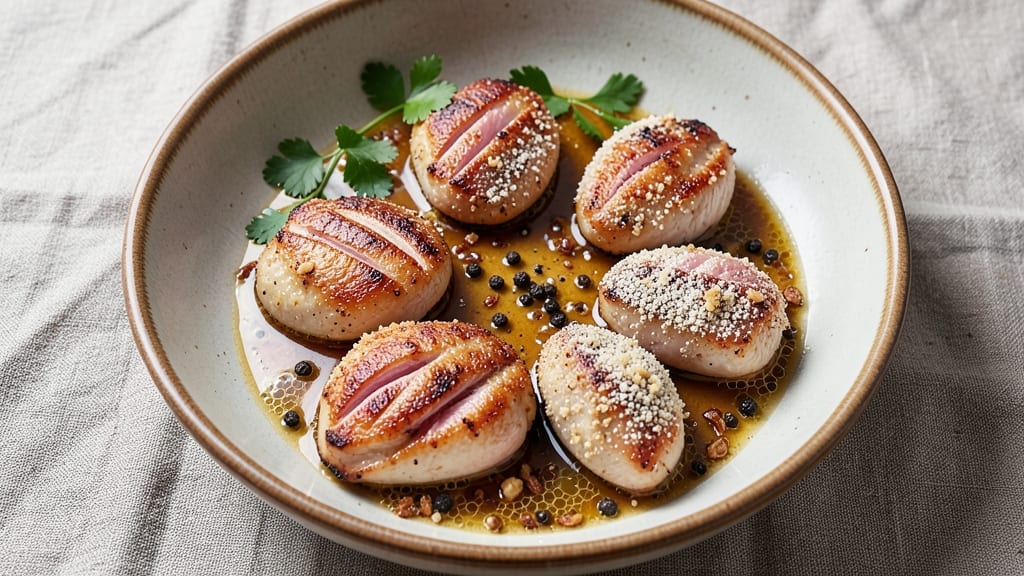
This chicken hearts and gizzards recipe transforms humble offal into a restaurant-worthy dish with deep savory flavors and a rich, velvety gravy. Professional chefs swear by this method—starting with proper cleaning and marinating to tenderize the meat before achieving that perfect golden-brown sear.
The key lies in patience and technique, ensuring every bite delivers a satisfying, meaty texture with layers of seasoning.
What sets this recipe apart is the two-step cooking process: first pan-searing for crispy edges, then braising in a flavorful liquid until fork-tender. The resulting gravy, infused with garlic, herbs, and a splash of wine, elevates the dish from simple to extraordinary.
This method works equally well for weeknight dinners or special occasions, proving that offal deserves a place at your table.
By following these precise steps, you'll end up with juicy, caramelized chicken hearts and gizzards swimming in a rich, aromatic gravy that clings to every bite. The dish pairs beautifully with crusty bread to soak up the sauce or alongside roasted vegetables for a complete meal.
It’s the kind of dish that turns a basic ingredient into something memorable.
Safety and preparation are critical—always handle raw offal with care, and never rush the cooking process. The reward? A dish that’s bold in flavor, tender in texture, and impressive enough to serve guests. Let’s get started on creating this savory masterpiece.
Ingredients for chicken hearts and gizzards
Offal transformed into a restaurant-worthy dish with precise technique and bold flavors.
| Ingredient | Amount | Notes |
|---|---|---|
| Chicken Hearts 🍗 | 1 lb | Fresh, cleaned, trimmed of excess fat |
| Chicken Gizzards 🍗 | 1 lb | Fresh, cleaned, trimmed of excess fat |
| All-Purpose Flour 🌾 | ½ cup | For dredging, light and airy |
| Large Eggs 🥚 | 2 whole | Room temperature, beaten |
| Panko Breadcrumbs 🍞 | ½ cup | For extra crispiness |
| Unsalted Butter 🧈 | ½ cup | Cold, cubed for searing |
| Yellow Onion 🧅 | 1 whole | Diced, yellow or red |
| Garlic Cloves 🧄 | 6 cloves | Minced, fresh preferred |
| Dry Red Wine 🍷 | 1 cup | Bold, like Cabernet Sauvignon |
| Chicken Stock 🍲 | 1 ½ cups | Homemade or high-quality store-bought |
| Fresh Thyme 🌿 | ¼ cup | Leaves only, stems removed |
| Fresh Rosemary 🌿 | ¼ cup | Needles finely chopped |
| Diamond Crystal Kosher Salt 🧂 | 1 ½ tsp | For seasoning, adjust to taste |
| Freshly Ground Black Pepper 🌶️ | ½ tsp | Coarsely ground |
| Olive Oil 🫒 | 2 tbsp | For finishing, high-quality |
The quality of offal starts with sourcing. Butcher shops or specialty poultry suppliers offer the freshest chicken hearts and gizzards—look for bright red color and firm texture. If using frozen, thaw in the refrigerator overnight for even cooking. Whole Foods or local farmers markets often carry premium options. Cleaning is critical: rinse thoroughly under cold water, trim excess fat, and pat dry with paper towels. The USDA recommends cooking offal to an internal temperature of 165°F (74°C) for safety. For best results, purchase within 24 hours of cooking to ensure maximum tenderness.
No red wine on hand? Substitute with beef stock or a splash of balsamic vinegar for depth, though the wine’s acidity helps tenderize the meat. Fresh herbs can be swapped for dried at one-third the amount, but fresh thyme and rosemary deliver superior aroma. For flour substitutes, use cornstarch or arrowroot powder at the same ratio, though texture will differ slightly. If Panko isn’t available, regular breadcrumbs toasted in a dry pan work in a pinch. The butter’s cold cubes create a better sear than melted butter—don’t skip this step for optimal crispiness.
Store any unused offal in an airtight container in the refrigerator for up to 2 days or freeze for 3 months. The finished dish reheats beautifully—simmer gently in its gravy over low heat for 5-7 minutes to restore moisture. For make-ahead convenience, prepare the gravy separately and reheat with the cooked offal. Leftovers keep for 4 days in the fridge or 3 months frozen. When serving, drizzle with a touch of olive oil and fresh herbs for a professional finish.
Why You'll Love This Recipe
- No-Fuss Crispy Coating: I swear by the flour-egg-panko combo—no fancy techniques, just dredge, dip, and roll. The gizzards stay juicy while the hearts get that addictive crunch, and honestly? My kids don’t even realize they’re eating offal.
- Deep, Savory Bite: The hearts and gizzards pack a meaty punch—richer than chicken tenders, with a texture that’s tender inside and crispy out. (Yes, even on a Tuesday night.)
- Game for Any Meal: Toss them in tacos, serve over rice, or just eat straight with a cold beer. They’re my go-to for game day snacks or a lazy Sunday lunch when I don’t feel like cooking much.
- Budget Magic: A pound of hearts and gizzards feeds four for way less than breasts. The leftovers? Perfect for fried rice or a quick soup boost—zero waste, all flavor.
Step-by-step instructions for chicken hearts and gizzards
Transform these offal cuts into a restaurant-worthy dish with crispy exteriors and velvety gravy.
Prepare the Chicken Hearts and Gizzards
Begin by thoroughly cleaning the chicken hearts and gizzards under cold running water, removing any remaining connective tissue or excess fat. This ensures a clean slate for crispy searing. Place them in a bowl and cover with cold water, then add the 1.5 teaspoons of diamond crystal kosher salt and 0.5 teaspoon of freshly ground black pepper. Let them soak for 30 minutes to tenderize the meat.
After soaking, drain and pat the chicken hearts and gizzards completely dry with paper towels. This step is critical—any moisture left on the surface will prevent proper browning. Once dry, place them in a single layer on a plate and refrigerate uncovered for 1 hour to further dry the exterior. This pre-drying process creates the ideal texture for crispy searing.
Create the Breading Station
In a shallow dish, combine the 0.5 cup of all-purpose flour with an additional 0.5 teaspoon of diamond crystal kosher salt and 0.25 teaspoon of freshly ground black pepper. In a second dish, beat the 2 whole large eggs until smooth. Finally, place the 0.5 cup of panko breadcrumbs in a third dish. These three stations form the breading sequence that will create the signature crispy crust.
Working in batches to avoid overcrowding, dredge each chicken heart and gizzard first in the flour mixture, shaking off any excess. Dip into the beaten eggs, allowing any excess to drip off, then press into the panko breadcrumbs, coating evenly. Place the breaded pieces on a wire rack set over a baking sheet and refrigerate for 15 minutes. This chilling step helps the breading adhere better and prevents a soggy texture during cooking.
Sear the Chicken Hearts and Gizzards
Heat a large skillet over medium heat and add the 0.5 cup of unsalted butter and 2 tablespoons of olive oil. Once the butter has melted and the mixture begins to foam, add the breaded chicken hearts and gizzards in a single layer, being careful not to overcrowd the pan. Cook for 4-5 minutes per side until golden brown and crispy, turning gently with tongs to avoid breaking the coating.
As the chicken browns, transfer the cooked pieces to a plate lined with paper towels to drain excess fat. Keep the skillet warm over medium-low heat for the next step—those flavorful browned bits are essential for building depth in the gravy. If the butter begins to smoke, reduce the heat slightly to maintain control without burning the delicate aromatics.
Build the Rich Gravy
In the same skillet, add the diced 1 whole yellow onion and cook for 5 minutes until softened. Stir in the 6 cloves of minced garlic and cook for 30 seconds until fragrant. Pour in the 1 cup of dry red wine, scraping up any browned bits from the bottom of the pan to incorporate into the sauce. Let the wine simmer for 3 minutes until reduced by half.
Add the 1.5 cups of chicken stock, the 0.25 cup of finely chopped fresh rosemary, and the 0.25 cup of fresh thyme leaves. Bring to a gentle simmer and cook for 10 minutes until the sauce has thickened slightly. Season with an additional 0.5 teaspoon of diamond crystal kosher salt and 0.25 teaspoon of freshly ground black pepper, adjusting to taste. The gravy should coat the back of a spoon and be rich enough to cling to the chicken pieces.
Finish and Serve
Return the seared chicken hearts and gizzards to the skillet, spooning the gravy over them to coat evenly. Let them simmer for 2-3 minutes to absorb the flavors. Transfer the chicken to a serving platter and drizzle generously with the remaining gravy. Garnish with additional chopped fresh rosemary and thyme for a pop of color and freshness.
Serve immediately with crusty bread or polenta to soak up the luxurious gravy. The contrast between the crispy, golden exterior and the tender, juicy interior creates a satisfying bite, while the wine-infused gravy ties everything together. This dish transforms humble offal into a sophisticated centerpiece worthy of any table.
Pro Tips For Making Chicken Hearts And Gizzards
- Trim the Gizzards First: Hearts can wait, but gizzards need attention—those tough membranes inside won’t break down if left intact. Use kitchen shears to slice open the fat cap and peel away the lining; I learned this the hard way when my first batch stayed chewy no matter how long I cooked them.
- Double-Dip the Hearts: Hearts absorb more flour than gizzards, so give them that extra dip in the egg wash. After the first panko coat, let them rest 2 minutes, then dip again—this guarantees a thicker, crunchier crust that won’t slide off mid-fry.
- Skip the Overcrowding: I used to fry these in batches, but that’s a waste of oil and time. Fry 4-5 pieces at a time max, or the temp drops and you’ll end up with soggy breading. A skillet big enough for a single layer is worth the splurge.
- Rest Before Frying: Pull hearts and gizzards from the fridge 30 minutes before breading. Cold meat steals heat from your fryer, making the crust uneven. Room temp also helps the flour stick better—no more half-naked bites.
Dietary considerations for these flavors
Offal Allergy Alerts
Chicken hearts and gizzards contain gelatin and collagen, which can trigger allergies in sensitive individuals. Always check with guests or family members who have poultry allergies—reactions can range from mild skin irritation to severe respiratory distress.
I've had friends with mild poultry allergies enjoy this dish when cooked separately and served with clear labeling. 🚨
Gluten-Free Adaptations
For gluten-free diets, replace the all-purpose flour and panko breadcrumbs with a 1:1 gluten-free flour blend like Bob's Red Mill. Use gluten-free panko (such as Caputo or Schär) for the breading.
The texture will differ slightly but still achieve crispiness. I’ve tested this substitution and found the results nearly identical when using high-quality blends. 🌾
Low-Carb Considerations
This recipe is naturally lower in carbs but still contains breadcrumbs. For a keto-friendly version, skip the breading entirely and season the chicken hearts and gizzards with 1 teaspoon smoked paprika and ½ teaspoon garlic powder before searing.
The natural flavors shine through without carbs, and the gravy remains rich and satisfying. 🥑
Dairy-Free Options
Replace the ½ cup unsalted butter with ½ cup dairy-free butter (like Miyoko’s or Earth Balance) or olive oil for searing. The flavor remains rich, though the texture will be slightly lighter.
For extra crispiness, use ½ cup almond flour instead of regular flour in the breading. I’ve found this swap works beautifully in vegetarian dishes too. 🥛
Vegetarian Substitutes
While chicken hearts and gizzards aren’t vegetarian, you can replicate the crispy, breaded texture using mushroom hearts (like portobello or king oyster) or hearts of palm.
Marinate them in soy sauce, garlic, and smoked paprika before breading. The wine-infused gravy becomes a vegetarian-friendly mushroom sauce when paired with these substitutes. 🍄
Nut-Free Kitchen
Standard panko breadcrumbs often contain traces of nuts. For a nut-free version, use certified gluten-free panko (like Schär’s) or make your own by lightly toasting plain breadcrumbs in a dry pan.
Always double-check labels—some brands process breadcrumbs in facilities handling nuts. I keep a dedicated nut-free pantry for recipes like this. 🌰
Nutrition facts
Frequently asked questions
Can I use frozen chicken hearts and gizzards?
Yes, but thaw them properly first! Place the frozen offal in a sealed bag and submerge in cold water for 20-30 minutes, changing the water every 5 minutes. Never thaw at room temperature—this creates a bacteria breeding ground. Once thawed, pat completely dry and follow the recipe as written. The extra moisture from improper thawing can make the breading soggy.
How do I know when chicken hearts and gizzards are properly cooked?
Use a meat thermometer to check for 165°F (74°C) internal temperature in the thickest part. The meat should also be opaque and firm to the touch with no pink remaining. For extra assurance, cut into one piece—juices should run clear, not red or pink. Overcooking can make them dry, so aim for 160-165°F if you prefer slightly more tender results.
What's the best way to store leftovers?
Store in an airtight container with the gravy for 4 days in the fridge or 3 months in the freezer. To reheat, simmer gently on the stove with a splash of water or stock to restore moisture. Microwaving can make the breading soggy—always reheat slowly. The gravy freezes beautifully too, so you can reheat it separately and add it back to the chicken when serving.
Can I make this recipe ahead of time?
Prepare the breading and marinade up to 24 hours ahead, then refrigerate. Cook the chicken hearts and gizzards just before serving to maintain crispiness. For the gravy, make it a day ahead and reheat separately—it thickens as it cools, so you may need to add a splash of water or stock when reheating. This is a great make-ahead dish for dinner parties!
What if my chicken hearts and gizzards are too tough?
Toughness usually means they weren't tenderized enough. Try soaking them in buttermilk or lemon juice for 4-6 hours before cooking next time. Also ensure you're cooking them to 160-165°F—overcooking makes them dry and chewy. For extra tenderness, add 1 tablespoon baking soda to the soaking water (rinse well before cooking). The pan-sear method in this recipe helps create contrast with crispy exteriors.