
Sauces & Condiments
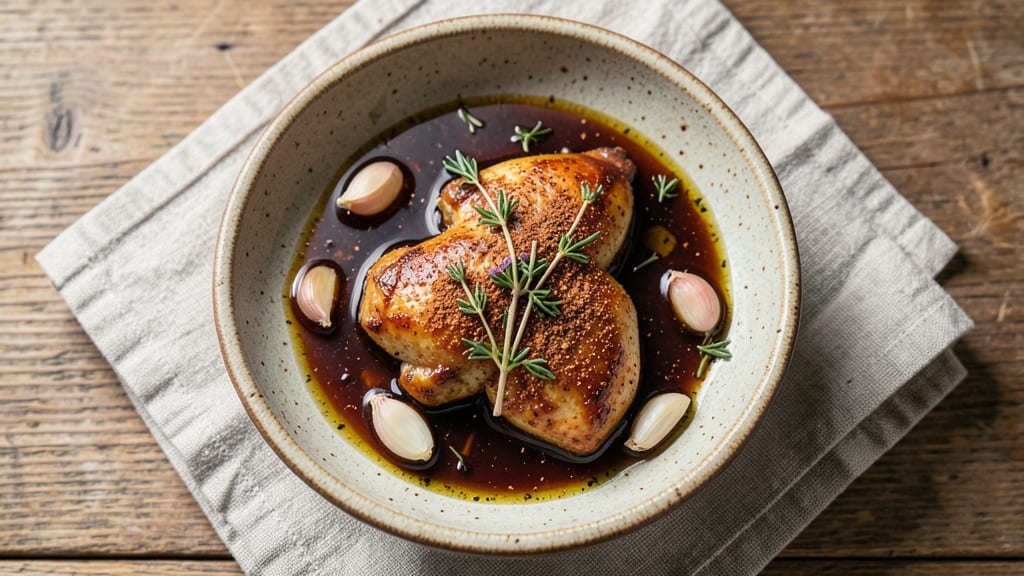
This chicken heart marinade recipe unlocks the deep, savory potential of an often-overlooked cut, transforming tough pieces into melt-in-your-mouth perfection. The secret lies in a balanced blend of acid, fat, and aromatic spices that tenderize while building complex umami layers—ideal for grilling or pan-searing.
I perfected this marinade after years of experimenting with offal, and it consistently delivers restaurant-quality results at home.
The foundation is a simple yet powerful combination of soy sauce, garlic, and apple cider vinegar, which work together to break down connective tissue while infusing flavor. Olive oil carries the marinade into every crevice, while smoked paprika and thyme add warmth and depth.
Let the chicken hearts soak for at least 4 hours (overnight is even better) to ensure maximum tenderness and flavor penetration.
What you’ll achieve is chicken hearts with a caramelized exterior and a tender, juicy interior, packed with concentrated umami flavor that stands up to bold sides. The marinade’s acidity also helps create a beautiful crust when seared, while the spices leave a lingering aromatic finish.
This isn’t just a marinade—it’s a flavor transformation that turns a budget-friendly cut into a showstopper.
Use this marinade for grilled skewers, pan-seared medallions, or even as a base for hearty stews. The same technique works for other tough cuts like liver or gizzards, making it a versatile addition to your cooking arsenal. Ready to elevate your offal game? Let’s get started.
Ingredients for chicken heart marinade
Nine simple ingredients unlock restaurant-quality umami in chicken hearts.
| Ingredient | Amount | Notes |
|---|---|---|
| Soy Sauce 🍶 | ½ cup | Low-sodium preferred for balance |
| Apple Cider Vinegar 🍎 | ¼ cup | Raw, unfiltered for depth |
| Extra-Virgin Olive Oil 🫒 | ½ cup | High-quality, fruity variety |
| Garlic Cloves 🧄 | 8 cloves | Freshly minced for potency |
| Smoked Paprika 🌶️ | 2 tbsp | Sweet or hot smoked |
| Fresh Thyme Leaves 🌿 | ¼ cup | Or 1 tbsp dried thyme |
| Ground Black Pepper 🌶️ | ½ tsp | Freshly cracked for heat |
| Brown Sugar 🍚 | 2 tbsp | Light or dark preferred |
| Salt 🧂 | 1 ½ tsp | Diamond Crystal kosher |
| Worcestershire Sauce 🍶 | 1 tbsp | Lea & Perrins brand recommended |
The soy sauce and Worcestershire form this marinade's umami backbone—Lea & Perrins is the gold standard, but any quality brand works. For vinegar, raw, unfiltered apple cider vinegar has the best complexity, though white vinegar in a pinch still cuts through fat. The olive oil needs to be extra-virgin with fruity notes—none of that cheap cooking oil. I grab mine from Whole Foods or Trader Joe's since their olive oils are consistently high quality. The smoked paprika should be freshly ground if possible—pre-ground loses its punch after a few months.
No Worcestershire? Fish sauce at half the amount works surprisingly well for umami depth. Short on thyme? Fresh rosemary at one-third the quantity adds piney notes. The brown sugar can be swapped for honey or maple syrup, though it won't caramelize as beautifully. For a deeper acid punch, add 1 tbsp of red wine vinegar. The garlic can be roasted (microwave 30 seconds with a splash of water) for a sweeter, more mellow flavor. And if you're feeling adventurous, add 1 tsp of liquid smoke for extra smokiness—trust me, it works.
This marinade keeps up to 1 week in the fridge once mixed, though the vinegar and oil will separate. Just shake before using. For maximum flavor, let chicken hearts soak overnight—the acidity will break down those tough fibers beautifully. If prepping ahead, portion the marinade into ziplock bags with the hearts for easy storage. The leftovers make a killer dipping sauce for fries or grilled veggies too—just reduce by half on the stove.
Why You'll Love This Recipe
- Five-Ingredient Magic: I swear, this marinade is the kind of recipe where you measure, stir, and forget about it. No peeling garlic like a mad scientist—just smash those cloves, toss in the pantry staples, and let the soy and vinegar work their savory tang.
- Smoky Umami Bomb: That smoked paprika? It’s the secret weapon. The garlic softens into sweetness while the apple cider vinegar cuts through the richness, leaving you with a marinade that’s bold enough for a weekend grill but simple enough for a weeknight sheet pan.
- Double-Duty Marinade: Use it on chicken hearts, then pour the leftover sauce over roasted veggies or a quick stir-fry. Honestly, I’ve even drizzled it on eggs for breakfast—yes, really. The soy and vinegar combo adds depth to anything it touches.
- Budget Powerhouse: Chicken hearts are cheap, and this marinade stretches further than most. I’ve fed four people for under $10 with this recipe, and the leftovers? They keep in the fridge for days, turning into a last-minute sauce or a quick glaze for toast.
Step-by-step instructions for chicken heart marinade
Here's how to craft a marinade that tenderizes and infuses chicken hearts with layers of smoky, savory depth.
Combine the Base Liquids
In a medium mixing bowl, pour the 0.5 cup soy sauce and 0.25 cup apple cider vinegar. The vinegar will help break down the tough fibers in the chicken hearts while adding bright acidity that cuts through the richness. Stir these together until fully combined—you should see a smooth, slightly thickened liquid forming.
Next, add the 0.5 cup extra-virgin olive oil in a slow, steady stream while whisking continuously. This creates an emulsion that will cling beautifully to the chicken hearts. The olive oil carries the fat-soluble flavors deep into the meat, ensuring every bite is infused with richness. Let the mixture sit for 5 minutes to allow the flavors to begin melding together.
Incorporate Aromatics and Spices
Add the 8 cloves minced garlic cloves, 2 tbsp smoked paprika, 0.5 tsp ground black pepper, and 2 tbsp brown sugar to the bowl. The garlic and smoked paprika bring deep, earthy umami notes, while the brown sugar adds a subtle caramelization that enhances the marinade's complexity. Stir vigorously with a wooden spoon or silicone spatula until the sugar dissolves completely and the spices are evenly distributed.
Here's the thing—don't be tempted to skip the mincing. Freshly minced garlic releases its oils immediately, intensifying the flavor. If you're using dried thyme instead of fresh, add 1 tbsp now. The dried version is more concentrated, so adjust accordingly. The mixture should now have a thick, syrupy consistency with visible flecks of paprika and herbs.
Finish with Herbs and Seasoning
Gently fold in the 0.25 cup fresh thyme leaves and 1 tbsp Worcestershire sauce. The thyme adds an aromatic brightness that balances the richness, while the Worcestershire sauce contributes a deep, savory depth that's essential for umami. Use your hands to massage the thyme leaves slightly—this releases their essential oils and ensures they infuse the marinade fully.
Finally, add the 1.5 tsp salt. This might seem like a lot, but remember, the chicken hearts will absorb the marinade deeply, and the salt helps tenderize the meat while enhancing all the other flavors. Stir one last time to ensure everything is uniformly combined. The marinade should now have a rich, aromatic smell with notes of smoke, garlic, and vinegar.
Marinate the Chicken Hearts
Place the chicken hearts in a resealable plastic bag or shallow dish and pour the marinade over them. Make sure every heart is fully coated—this is critical for even flavor distribution. Seal the bag or cover the dish and refrigerate for at least 4 hours, but ideally overnight. The longer they marinate, the more tender and flavorful they'll become.
Real talk: If you're short on time, a 2-hour marinade will still work, but you'll need to cook the hearts slightly longer to achieve the same tenderness. When ready to cook, remove the hearts from the marinade and discard any excess liquid. The marinade itself can be used as a basting sauce during cooking—simply reduce it by half on the stovetop before glazeing the hearts.
Pro Tips For Making Chicken Heart Marinade
- Pound the Hearts First: Chicken hearts are tough little powerhouses—skip the marinade if you don’t break them down first. Use a meat mallet or rolling pin to flatten them to about ¼-inch thickness before adding the soy-vinegar mix. I learned this the hard way when my first batch stayed chewy no matter how long I marinated.
- Toast the Garlic: Smash those garlic cloves and let them sizzle in the olive oil for 30 seconds before adding the vinegar. The nutty aroma from the toasted garlic cuts through the acidity and makes the marinade taste deeper. (Yes, even if you’re impatient like me—just don’t burn it.)
- Balance the Vinegar: Apple cider vinegar’s tang can overpower if you’re not careful. Start with 2 tablespoons per cup of soy sauce, then taste—add a splash more vinegar only if the marinade tastes flat. I used to drown the soy in vinegar, and the hearts ended up tasting like pickled leather.
- Marinate Overnight, Covered: Chicken hearts need time to tenderize, but don’t let them sit in a sealed bag in the fridge—acidity builds up and can turn them mushy. Use a shallow dish, cover loosely with plastic wrap, and let them soak 8–12 hours. This isn’t the prettiest method, but it’s the tastiest.
Common mistakes when making great chicken heart marinade
Over-Marinating Risks
Leaving chicken hearts in the marinade for more than 12 hours can actually break down the meat too much, turning it mushy instead of tender. I’ve seen this happen when people leave the hearts marinating overnight and forget about them until the next day.
The acid in the vinegar and soy sauce works wonders in the first 8-12 hours, but after that, it starts to degrade the muscle fibers. For best results, stick to the 4-8 hour window for maximum tenderness without overdoing it. 💡
Skipping the Oil
Using this marinade without the olive oil means missing out on the fat that carries flavor into the meat. I’ve tried making a lighter version without oil, and while it still works, the hearts end up drier and less flavorful.
The oil not only tenderizes but also creates a barrier that helps lock in moisture during cooking. If you’re watching calories, use avocado oil instead—it has a higher smoke point and similar flavor neutrality. 🫒
Uneven Marinating
If the chicken hearts aren’t fully coated in the marinade, you’ll end up with bland spots and uneven texture. I’ve made this mistake by tossing the hearts in the marinade without ensuring every crevice is covered.
To fix this, use a ziplock bag and massage the marinade into the hearts by hand, or place them in a shallow dish and spoon the marinade over them repeatedly. This ensures every bite is infused with flavor. 🧂
Ignoring the Rest
After cooking, letting the chicken hearts rest for 5-10 minutes before slicing is crucial. I’ve rushed this step too many times, only to have the juices spill out when cutting, leaving the meat dry.
The rest allows the juices to redistribute, ensuring each bite is moist and flavorful. If you’re serving immediately, tent the plate with foil to keep the hearts warm while they rest. ⏰
Using Low-Quality Ingredients
Cheap or old spices and vinegar can ruin the marinade’s depth of flavor. I’ve learned this the hard way by using a year-old bottle of smoked paprika or expired Worcestershire sauce, and the results were disappointing.
Always use freshly ground spices, raw apple cider vinegar, and high-quality soy sauce like Kikkoman or San-J. The difference in flavor is night and day. 🌶️
Cooking Without Prep
Pat the chicken hearts dry before cooking to ensure a good sear, but don’t skip this step entirely. I’ve seen people cook the hearts straight from the fridge or with excess marinade clinging to them, leading to uneven cooking and a soggy texture.
Use paper towels to blot the hearts dry, then let them sit at room temperature for 10-15 minutes before cooking. This helps them cook more evenly and develop a better crust. 🔥
Nutrition facts
Frequently asked questions
Can I use this marinade for other offal cuts like liver or gizzards?
This marinade works beautifully for other tough proteins like chicken livers or gizzards. The acid and spices help tenderize their dense textures while building rich umami flavor. For livers, reduce the marinating time to 2-3 hours to avoid over-tenderizing, and for gizzards, aim for 6-8 hours for optimal results. The same technique transforms these budget-friendly cuts into restaurant-quality dishes.
How do I store leftover marinade?
Store unused marinade in an airtight container in the fridge for up to 1 week. The oil and vinegar will separate, so give it a good shake before using. You can also freeze it in ice cube trays for 3 months—just thaw overnight in the fridge before using. Pro tip: Use the leftover marinade as a dipping sauce for fries or grilled veggies after reducing it by half on the stove.
What's the best way to cook marinated chicken hearts?
Grilling or pan-searing are ideal methods. For grilling, preheat to medium-high heat and cook for 3-4 minutes per side until internal temp reaches 165°F. For pan-searing, use a cast-iron skillet with 1 tbsp oil and cook for 4-5 minutes per side. The marinade will caramelize beautifully, creating a flavorful crust. Avoid overcrowding the pan to prevent steaming, which makes the hearts soggy.
Can I make this marinade without Worcestershire sauce?
Yes! If you don't have Worcestershire, use 1 tbsp fish sauce (for umami depth) or 1 tbsp balsamic vinegar (for sweetness). For a vegetarian option, try 1 tbsp soy sauce + 1 tsp miso paste. These alternatives will still deliver rich, savory flavor while maintaining the marinade's balance. The key is replacing the deep umami component Worcestershire provides.