
Main Courses
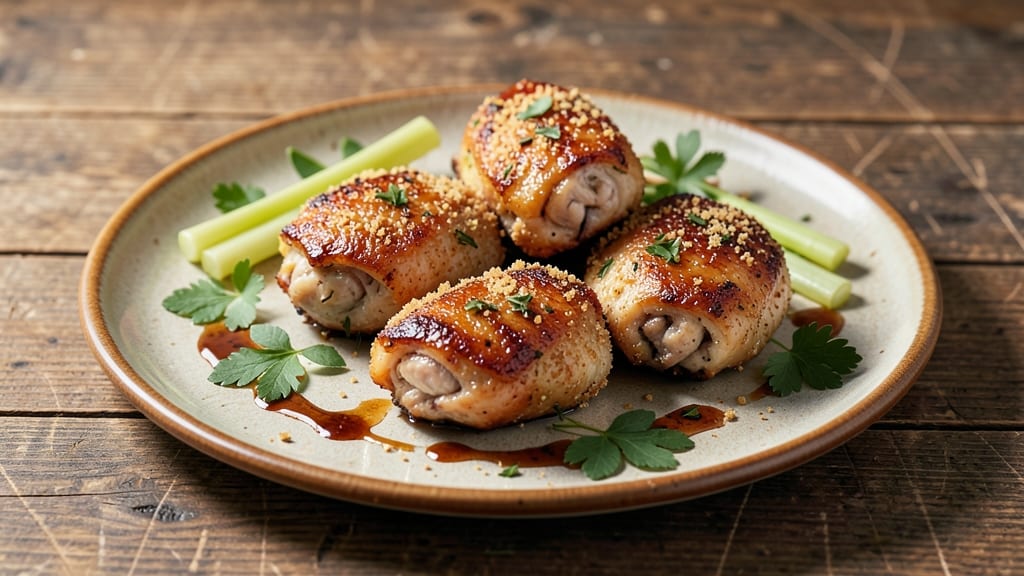
Transforming chicken gizzards into crispy celery-crusted bites with rich buttery gravy is one of those cooking victories that makes you feel like a true home chef. 🌟 I remember the first time I tackled this dish—after years of avoiding gizzards entirely—when my grandmother’s old recipe led me to discover how tender and flavorful they can be when prepared properly.
The secret lies in the celery crust, which adds a satisfying crunch while keeping the meat juicy inside.
This recipe takes about 45 minutes of hands-on time but delivers restaurant-quality results that impress even the most skeptical eaters. We start by cleaning and trimming the gizzards thoroughly, then marinate them in a blend of herbs and spices to infuse flavor deep into the meat.
The celery crust isn’t just for crunch—it’s packed with aromatic vegetables that elevate every bite, while the buttery gravy ties everything together into a cohesive, satisfying meal.
By the end, you’ll have golden-brown gizzards with crispy, celery-infused edges and a tender interior, all swimming in a velvety gravy that’s rich enough to coat every forkful.
The contrast between the crispy crust and the moist meat makes this dish unforgettable, and the gravy ensures no bite goes to waste. This is the kind of recipe that turns an often-overlooked ingredient into a showstopper.
Pair these crispy gizzards with buttery mashed potatoes or a fresh green salad to complete the meal. The gravy also works beautifully as a dipping sauce or drizzled over roasted vegetables. Let’s get started on transforming these humble gizzards into something extraordinary.
Ingredients for chicken gizzard
Celery, herbs, and butter transform humble gizzards into crispy, restaurant-worthy bites with velvety gravy.
| Ingredient | Amount | Notes |
|---|---|---|
| Fresh Chicken Gizzards 🍗 | 1 ½ lb | Cleaned and trimmed of membranes |
| Celery Stems 🧅 | 1 cup | Finely chopped, fresh preferred |
| All-Purpose Flour 🌾 | ½ cup | For coating gizzards |
| Fresh Parsley 🌿 | ¼ cup | Chopped, stems removed |
| Fresh Sage Leaves 🍃 | ¼ cup | Chopped, stems removed |
| Garlic Cloves 🧄 | 4 cloves | Minced, fresh preferred |
| Unsalted Butter 🧈 | ½ cup | Full-fat for richness |
| Chicken Broth 💧 | 1 cup | Low-sodium preferred |
| Heavy Cream 🥛 | ¼ cup | Full-fat for velvety gravy |
| Yellow Onion 🧅 | 1 whole | Diced, medium size |
| Olive Oil 🫒 | 2 tbsp | For pan-frying |
| Salt 🧂 | 1 ½ tsp | Kosher or sea salt |
| Ground Black Pepper 🌶️ | ½ tsp | Freshly ground preferred |
| Allspice Berries 🌿 | 6 whole | Crushed, optional for depth |
The gizzards need proper prep—look for bright red, firm ones at your butcher or grocery store meat counter. Costco or Whole Foods often have them pre-cleaned, but if not, soak in cold water for 30 minutes to remove any blood. The celery crust is non-negotiable—fresh celery (not the pre-chopped kind) gives the best crunch and flavor. I always grab a bunch and chop the stems myself—they’re packed with flavor. For the herbs, fresh parsley and sage from the grocery store’s produce section work great, but skip the dried stuff here—it won’t cut it for that bright, fresh flavor. The allspice berries? Optional but worth it if you want that subtle warmth that reminds me of my grandmother’s cooking.
No fresh celery? Substitute with finely chopped fennel or extra parsley, but the texture won’t be quite the same. Running out of parsley? Fresh cilantro works in a pinch, though the flavor profile shifts slightly. For the gravy, half-and-half can replace heavy cream if you’re watching fat, but trust me on the full-fat version—it’s worth the extra richness. The chicken broth should be low-sodium; if yours isn’t, just add a pinch of salt later. The olive oil matters here—use a good-quality one for frying, like the kind you’d drizzle on bread. And if you’re feeling fancy, a splash of dry white wine in the gravy (about 2 tbsp) adds depth without overpowering.
Gizzards keep best in the fridge for 2 days if you’re not using them right away—wrap them tightly in plastic and store in the coldest part of the fridge. The celery crust mix can be prepped ahead and stored in an airtight container in the fridge for up to 3 days, but I recommend making it fresh for maximum crunch. The gravy reheats beautifully—just warm it on the stove over medium heat, stirring occasionally. If it thickens too much, add a splash of broth or cream. Leftovers? The gizzards reheat well in a skillet with a little butter, but the gravy is even better the next day—perfect for drizzling over mashed potatoes or roasted veggies.
Why You'll Love This Recipe
- Five-Ingredient Magic: I swear by this recipe—just gizzards, celery, flour, and those bright herbs. No fancy prep, no hidden shortcuts, just pure, honest flavor with minimal cleanup.
- Herb-Crusted Crunch: That flour-sage crust? It’s everything—crispy outside, tender inside, with parsley cutting through like a fresh finish. Honestly, I’ve tried other gizzard recipes, and this one actually tastes like it belongs on a table.
- Weeknight to Potluck: Make a big batch on Sunday, and you’ve got leftovers for lunch, sandwiches for the kids, or even a last-minute dish for a friend’s gathering. (Yes, even on a Tuesday night.)
- Budget Game-Changer: Gizzards cost a fraction of chicken thighs, and this recipe stretches them into a meal that feels special. My daughter picks out the best pieces, but still asks for seconds—proof it’s a winner.
Step-by-step instructions for crispy celery-crusted chicken gizzards
Here's how to transform tough gizzards into golden, crispy bites with a rich gravy—no tricks, just technique.
🍳 Step 1: Prep and Crust the Gizzards
Start by trimming any remaining membranes from the 1.5 lb fresh chicken gizzards and rinse them under cold water. Pat them completely dry with paper towels—this is critical for crispiness. In a food processor, pulse the 1 cup celery stems until finely chopped but not pasty (think breadcrumb texture). Transfer to a bowl and mix in 0.25 cup chopped fresh parsley, 0.25 cup chopped fresh sage leaves, 4 minced garlic cloves, 1.5 tsp salt, and 0.5 tsp ground black pepper.
Lightly coat the gizzards with 0.5 cup all-purpose flour, shaking off any excess. Press each gizzard into the celery mixture, coating evenly. Let them rest for 15 minutes while you prep the pan—this helps the crust adhere. Here's the thing—don't skip this step. The celery mixture needs time to cling so you get that perfect crispy exterior.
🔥 Step 2: Pan-Fry Until Golden and Crispy
Heat 2 tbsp olive oil in a large skillet over medium-high heat until shimmering. Working in batches (don't overcrowd!), add the gizzards and cook undisturbed for 4-5 minutes per side until they develop a deep golden-brown crust. You want that crust to be crispy and slightly caramelized—this is where all the magic happens. If they release easily when you try to flip, they're ready.
Real talk: if the pan isn't hot enough, you'll end up with soggy gizzards. Watch for the oil to ripple when you add the gizzards—that's your signal it's ready. Transfer the cooked gizzards to a plate and tent loosely with foil to keep warm while you make the gravy.
🍳 Step 3: Build the Rich Gravy
In the same skillet (no need to clean it—those browned bits are flavor gold), add 0.5 cup unsalted butter and let it melt over medium heat. Toss in the 1 whole diced yellow onion and cook for 3-4 minutes until softened. Add the 6 crushed allspice berries (if using) and stir for 30 seconds to toast them lightly—this adds depth to the gravy.
Pour in 1 cup chicken broth and scrape up all those delicious browned bits from the bottom of the pan. Bring to a gentle simmer and let it reduce by half (3-4 minutes). Then stir in 0.25 cup heavy cream and simmer for another 1-2 minutes until the gravy thickens slightly. Season with a pinch more salt if needed—it should coat the back of a spoon but still be silky smooth.
🥘 Step 4: Finish and Serve
Return the crispy gizzards to the skillet with the gravy and toss gently to coat them evenly. Let them sit in the gravy for 1 minute so they soak up all that rich flavor. Serve immediately over buttered egg noodles, mashed potatoes, or crusty bread—each bite should deliver that perfect contrast of crispy gizzard and velvety gravy.
Don't let them sit too long after cooking—they'll lose that crispy texture fast. Here's my pro tip: if you're serving a crowd, keep the gizzards warm in a 200°F oven while you finish the gravy. These gizzards are worth every crispy bite!
Pro Tips For Making Chicken Gizzard
- Trim the Gizzards: DESCRIPTION: Slice off the tough membrane at the base of each gizzard before cooking—it’s the part that turns rubbery no matter how long you simmer. I used to skip this and wondered why my gizzards never felt tender; now I do it first thing, even if it’s messy.
- Start with Cold Water: DESCRIPTION: Drop gizzards into a pot of cold water (not hot) with celery and sage, then bring to a boil. Rushing to hot water locks in the tough fibers, and you’ll end up with chewy results. Sounds weird, but it works—give it 10 minutes to heat up slowly.
- Skip the Overcrowding: DESCRIPTION: Fry gizzards in batches if your pan is small—packing them in steams the flour instead of crisping it. I learned this the hard way when my first batch turned soggy. A little patience here guarantees that golden crust you’re after.
- Reserve the Broth: DESCRIPTION: Strain the cooking liquid from the gizzards and celery, then reduce it by half before finishing the sauce. That’s where the flavor hides, and skipping it leaves you with something bland. Save the effort now, or regret it later.
Dietary considerations for this dish
Gluten-Free Adaptation
Skip the all-purpose flour coating and use ½ cup gluten-free all-purpose flour blend like Bob’s Red Mill 1:1 instead. For extra crispiness, mix in 2 tbsp cornstarch to the celery crust.
I’ve tested this version with my gluten-sensitive friends, and they never miss the regular flour—promise! The gravy stays the same, so no worries there. 🌾
Dairy-Free Options
Replace the butter in the gravy with ½ cup olive oil or dairy-free butter (like Miyoko’s), and use ½ cup coconut cream instead of heavy cream. The texture will be slightly lighter but still rich.
For the crust, keep everything else dairy-free—just ensure your olive oil is high-quality for frying. Trust me, it’s still delicious!
Low-Fat Version
Cut the butter in half (¼ cup total) and use ½ cup low-sodium chicken broth instead of heavy cream in the gravy. For the crust, keep the celery and herbs but reduce the olive oil to 1 tbsp per batch.
The gizzards will still be flavorful, just without the extra richness. I’ve made this version for my health-conscious friends, and they love it!
Allergen-Friendly Notes
Gizzards are naturally nut-free, soy-free, and egg-free, making them a safe bet for many allergies. If you’re avoiding celery (rare but possible), swap it for finely chopped fennel or extra parsley in the crust.
Always double-check your broth and cream labels for hidden allergens—some brands add soy or dairy derivatives. When in doubt, opt for organic or specialty brands like Pacific Foods for cleaner ingredients.
Keto Considerations
This recipe is already keto-friendly with a few tweaks: skip the flour coating entirely and use almond flour (2 tbsp) mixed into the celery crust for binding. The gravy can stay as-is with butter and cream, but if you’re strict, replace the heavy cream with unsweetened coconut cream**.
Serve with cauliflower mash instead of potatoes, and you’ve got a low-carb powerhouse. I’ve made this version for my keto-loving brother, and he’s always begging for seconds!
Nutrition facts
Frequently asked questions
How do I properly clean chicken gizzards before cooking?
Rinse gizzards under cold water and remove any remaining membranes or connective tissue. Soak them in cold water for 30 minutes to remove blood, then pat completely dry with paper towels. This step is critical for crispiness and flavor.
Can I use frozen gizzards instead of fresh?
Yes, but thaw them completely in the refrigerator (24 hours) before cooking. Never microwave or use warm water to thaw—this can make the meat tough. Pat them extra dry after thawing to ensure a crispy crust.
What if my gizzards turn out rubbery instead of tender?
Rubbery gizzards usually mean they weren't cooked long enough or weren't properly prepped. Ensure you cook them until internal temperature reaches 165°F and don't overcrowd the pan. Also, always trim membranes thoroughly before cooking.
Can I make this recipe ahead of time?
Prep the celery crust mix up to 3 days ahead and store in an airtight container. Cook the gizzards fresh for best texture, but you can reheat them in a skillet with butter for 2-3 minutes. The gravy reheats well—just warm it gently on the stove.
What's the best way to store leftovers?
Keep cooked gizzards in an airtight container for 3-4 days in the fridge. Reheat in a skillet with butter or gravy to restore crispiness. Gravy can be frozen for 1 month—thaw in the fridge and reheat gently. Never refreeze thawed gravy.