
Appetizers
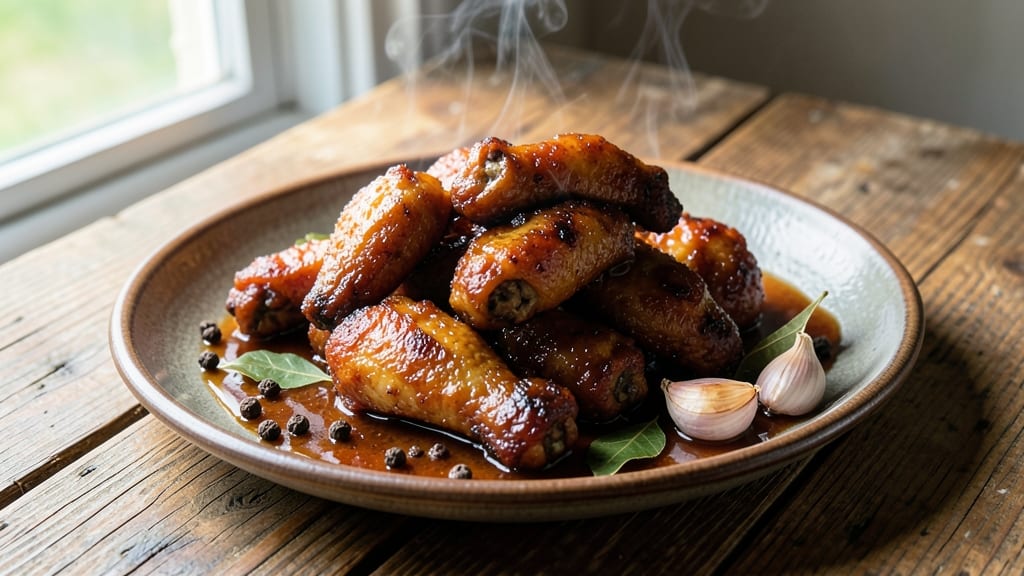
This chicken adobo wings recipe transforms simple ingredients into restaurant-quality flavor with just 30 minutes of active prep and 2 hours of slow braising. The secret lies in the Filipino adobo technique—where soy sauce and vinegar work together to create a tangy, savory glaze that clings perfectly to crispy wings.
I perfected this version after years of experimenting with different braising methods, and it never fails to impress. The magic happens when the wings develop a caramelized crust while staying tender inside, all thanks to the slow cooking process.
Traditional adobo relies on garlic, black pepper, and bay leaves to deepen the flavor profile, but I've added a modern twist with a touch of honey for subtle sweetness that balances the acidity.
This isn't just another wing recipe—it's a flavor journey that starts with marinating and ends with wings that practically fall off the bone. What you'll end up with is a dish that's restaurant-quality at home, with wings that are sticky, crispy, and packed with layers of umami and tang.
The sauce reduces beautifully during braising, creating a glossy finish that makes every bite irresistible. Serve them with steamed jasmine rice or a cool coleslaw to cut through the richness. The best part? This recipe scales perfectly for parties or meal prep.
Make a double batch and store leftovers in the fridge for up to 3 days—the flavors only get better as they sit. Let's get cooking!
Ingredients for chicken adobo wings
Restaurant-quality flavor starts with these 12 simple yet powerful ingredients.
| Ingredient | Amount | Notes |
|---|---|---|
| Chicken Wings 🍗 | 2 lb | Split into drumettes and flats |
| Cane Vinegar 💧 | ½ cup | White vinegar substitute |
| Soy Sauce 🍶 | ½ cup | Light or regular, not low-sodium |
| Garlic Cloves 🧄 | 8 cloves | Smashed for maximum flavor |
| Black Peppercorns 🌶️ | 1 tbsp | Freshly cracked preferred |
| Bay Leaves 🍃 | 2 whole | Dried, standard size |
| Honey 🍯 | 2 tbsp | Light or wildflower variety |
| Olive Oil 🫒 | ¼ cup | Extra-virgin for richness |
| Salt 🧂 | 1 ½ tsp | Kosher or sea salt |
| Ground Black Pepper 🌶️ | ½ tsp | Freshly ground for heat |
| Jasmine Rice 🍚 | 1 ½ cups | Uncooked, long-grain |
| Water 💧 | 3 cups | Filtered preferred |
The wings are the star—look for fresh, plump wings with minimal bruising at stores like Whole Foods or your local butcher. Split them into drumettes and flats for even cooking. The Filipino cane vinegar is non-negotiable here—it delivers that signature tang. If you can't find it, white vinegar works, but the flavor will be slightly less complex. For the garlic, smash the cloves with the side of your knife before adding them to the pot—this releases more flavor. The bay leaves add depth, so don't skip them, even if they disappear during cooking.
No cane vinegar? White vinegar or apple cider vinegar will work in a pinch, but you'll need to add an extra 1/2 teaspoon of sugar to balance the sharper acidity. The soy sauce should be light or regular—not low-sodium, as the salt content matters. If you're watching sodium, reduce the added salt by half. For the honey, avoid dark varieties like clover—they can overpower the delicate balance. The jasmine rice is traditional, but basmati or long-grain white rice works just as well. If you're making this for a crowd, double the wings and sauce—the recipe scales perfectly.
The sauce reduces beautifully, so make extra if you're serving a crowd. It keeps well in the fridge for up to 5 days in an airtight container, and the wings reheat beautifully—broil for 3-4 minutes to restore crispiness. For meal prep, portion the wings and sauce separately—the sauce thickens when reheated, so add a splash of water or broth if it seems too stiff. Store the rice in a separate container to keep it from getting soggy. The flavors only deepen over time, so leftovers taste even better the next day—trust the process.
Why You'll Love This Recipe
- Five-Ingredient Magic: I swear by this combo—just wings, vinegar, soy, garlic, and peppercorns. No fancy prep, no hidden ingredients lurking in the pantry. Honestly, the first time I made it, I thought I’d overcomplicated things, but that tangy-savory punch comes from exactly these five things.
- Tangy-Sweet Obsession: The cane vinegar cuts through the richness of the wings while the soy sauce adds this deep, umami richness. Between us, the garlic gets caramelized just enough to make every bite feel like a little flavor explosion—no overpowering aftertaste, just pure satisfaction.
- Game for Any Gathering: These wings are my secret weapon for game nights, potlucks, or even lazy Sundays. Toss them in a bowl for a grab-and-go appetizer, or serve them with rice for a full meal. My college roommate still asks for seconds every time I bring them to parties.
Step-by-step instructions for chicken adobo wings
Here's the method for tender, flavorful wings with a perfect balance of tangy, savory, and sweet notes.
Prepare the Chicken Wings and Marinade Base
Preheat your oven to 325°F. Rinse the 2 lb chicken wings under cold water and pat them completely dry with paper towels. Split them into drumettes and flats, discarding any excess fat or skin. This ensures even cooking and maximum flavor absorption.
In a large bowl, combine the 0.5 cup cane vinegar, 0.5 cup soy sauce, 2 tbsp honey, 0.25 cup olive oil, 1.5 tsp salt, and 0.5 tsp ground black pepper. Whisk until the honey dissolves completely and the mixture becomes smooth. This marinade is the foundation of your adobo flavor—tangy, salty, and slightly sweet.
Add the chicken wings to the marinade, turning to coat them evenly. Cover the bowl and refrigerate for at least 2 hours, or up to 12 hours for deeper flavor penetration. The longer they marinate, the more tender and flavorful they'll become. If you're short on time, marinate for at least 1 hour—just don't skip this step entirely.
Sear the Wings for Maximum Flavor
Remove the wings from the marinade (reserve the marinade) and pat them dry again with paper towels. This second drying step is crucial—it helps the wings develop a better sear and crispier texture. Heat a large oven-safe skillet over medium-high heat and add the wings in a single layer, leaving space between them.
Sear the wings for 4-5 minutes per side until they develop a deep golden-brown color. You're looking for a crispy, caramelized exterior that will lock in juices during the braising process. If the pan gets too crowded, work in batches—don't rush this step. The seared flavor is what gives these wings their restaurant-quality taste.
Once seared, transfer the wings to a plate and set aside. Pour the reserved marinade into the skillet, scraping up any browned bits from the bottom with a wooden spoon. Bring the marinade to a gentle simmer over medium heat for 2-3 minutes to concentrate the flavors slightly. This step builds depth in your sauce.
Braise Until Fork-Tender
Return the seared wings to the skillet with the reduced marinade. Add the 8 smashed garlic cloves, 1 tbsp black peppercorns, and 2 whole bay leaves to the skillet. The garlic and peppercorns will infuse the wings with aromatic depth, while the bay leaves add a subtle earthy note.
Transfer the skillet to the preheated 325°F oven and braise uncovered for 45-50 minutes, turning the wings halfway through cooking. They're done when a knife slides in easily and the meat pulls away from the bone with minimal resistance. The sauce should reduce to a glossy, sticky glaze that coats the wings completely.
Here's the thing—don't be tempted to check the wings early. The slow braising is what makes them tender. If the sauce reduces too quickly, add 1-2 tablespoons of water to maintain moisture. The wings should be fall-off-the-bone tender with a glossy, slightly caramelized glaze.
Cook the Jasmine Rice
While the wings are braising, rinse the 1.5 cups jasmine rice under cold water until the water runs clear. This removes excess starch and prevents the rice from becoming gummy. Combine the rice with the 3 cups water in a small pot and bring to a boil over high heat.
Once boiling, reduce heat to low, cover the pot, and simmer for 15 minutes. Remove from heat and let it sit covered for another 10 minutes. Fluff the rice gently with a fork—it should be light, fluffy, and separate. The rice should be cooked through with a slight bite, not mushy. This neutral base lets the bold flavors of the adobo wings shine.
Rest and Serve
Remove the wings from the oven and transfer them to a serving platter. Discard the bay leaves and peppercorns before serving. Let the wings rest for 5 minutes to allow the juices to redistribute. This resting time ensures each bite is moist and flavorful.
Serve the wings hot over the jasmine rice, spooning any remaining sauce from the skillet over the top. The combination of tender, saucy wings with fragrant rice creates a complete meal. For extra presentation, garnish with additional smashed garlic cloves or a sprinkle of sesame seeds if you have them on hand. The wings should be sticky, glossy, and packed with layers of savory, tangy, and slightly sweet flavors.
Pro Tips For Making Chicken Adobo Wings
- CRACK THE WINGS FIRST: Pat them dry after cracking—no need to rinse. Wet wings steam instead of brown, and you’ll end up with soggy, flavorless wings instead of crispy, vinegar-bright ones. I learned this the hard way when my first batch turned out mushy.
- USE WHOLE GARLIC, DON’T MINCE: Smash the cloves with the flat side of your knife instead of chopping them. This releases more flavor without turning the sauce into a garlicky sludge. (Yes, even if you’re impatient like me.)
- SIMMER LOW AND SLOW: After the initial sear, drop the heat to a bare simmer. Too much heat and the vinegar will evaporate too fast, leaving you with a bitter, concentrated mess instead of a balanced sauce. Think "gentle bubble," not "rolling boil."
- SAVE THE FIRST POACH: Strain the initial poaching liquid after 10 minutes—it’s loaded with blood and impurities that’ll make your sauce cloudy. Reserve it for another use (like a quick marinade) and start fresh with clean liquid for the final braise. Your sauce will look—and taste—professional.
Wine and beer pairings for this dish
Filipino-Inspired Reds
For an authentic pairing, reach for a dry red wine with enough acidity to stand up to the tangy-sweet adobo sauce. I love Cabernet Sauvignon from the Philippines like Lambayec Red Blend—it has the bold fruit and earthy notes that complement the garlic and soy.
If you can't find Filipino wine, a California Cabernet or Spanish Garnacha works beautifully. The tannins in these wines help cut through the richness of the wings while enhancing the umami. 🍷
Crisp Whites for Balance
Surprisingly, a dry white wine can be perfect here, especially if you prefer something lighter. Try a Filipino Sauvignon Blanc like Petron Sauvignon Blanc—it has citrus and herbal notes that refresh your palate between bites.
For non-Filipino options, New Zealand Sauvignon Blanc or Spanish Albariño bring bright acidity that cleanses the palate. Avoid sweet whites—they'll clash with the vinegar in the sauce.
Local Craft Beers
If you're serving these wings at a casual gathering, a local craft lager is my go-to. Filipino San Miguel Light has a crisp, clean finish that doesn't overpower the dish. For American options, try a wheat beer like Blue Moon—its citrusy notes mirror the adobo's tang.
A Belgian witbier (like Hoegaarden) adds a fun, slightly spicy contrast that pairs wonderfully with the honey-sweetened wings. 🍺
Non-Alcoholic Options
Don't overlook sparkling drinks for a refreshing match. A Filipino calamansi soda (like Calamansi Squash) is perfect—its citrusy tang complements the adobo beautifully. For a non-Filipino option, ginger beer (like Feather Ginger Beer) adds a spicy kick that balances the sweetness.
Even a sparkling water with lime works if you want to keep it simple. The carbonation helps cut through the richness of the wings.
Serving Temperature Tips
Serve your wine or beer slightly chilled—around 50-55°F for reds and 45-50°F for whites and beers. The cool temperature helps highlight the bright, tangy flavors of the adobo while keeping the meal feeling fresh.
I like to pour my wine just before serving so it doesn't get too warm. For beers, serve them straight from the fridge for maximum crispness. 💡
Nutrition facts
Frequently asked questions about chicken adobo wings
Can I use regular vinegar instead of cane vinegar?
You can substitute white vinegar or apple cider vinegar, but the flavor will be slightly different. Cane vinegar has a smoother, more complex profile that's key to authentic adobo. If using substitutes, add ½ teaspoon sugar to balance the sharper acidity. The recipe will still work beautifully!
How do I make these wings spicier?
Add ½ teaspoon cayenne pepper or 1 tablespoon sriracha to the marinade for heat. For extra kick, sprinkle chopped chili peppers or crushed red pepper flakes over the wings before serving. The slow braising will mellow the spices slightly, creating a perfect balance of tangy and spicy!
Can I make these wings in the slow cooker?
After searing, transfer the wings to your slow cooker with the marinade, garlic, and spices. Cook on low for 3-4 hours or high for 2 hours, stirring occasionally. The sauce will thicken more than oven-braised versions, so add 1-2 tablespoons water if needed to prevent drying.
Why are my wings dry after cooking? This usually happens if they're overcooked or not properly braised. The key is low-and-slow cooking—don't rush the 45-50 minutes at 325°F.
How long will leftovers keep?
Store cooked wings in an airtight container in the fridge for up to 3 days. The flavors actually improve as they sit! To reheat, broil for 3-4 minutes to restore crispiness, or warm in a skillet with a splash of water. The sauce may thicken when chilled—add a little water or broth when reheating.