
Sauces & Condiments
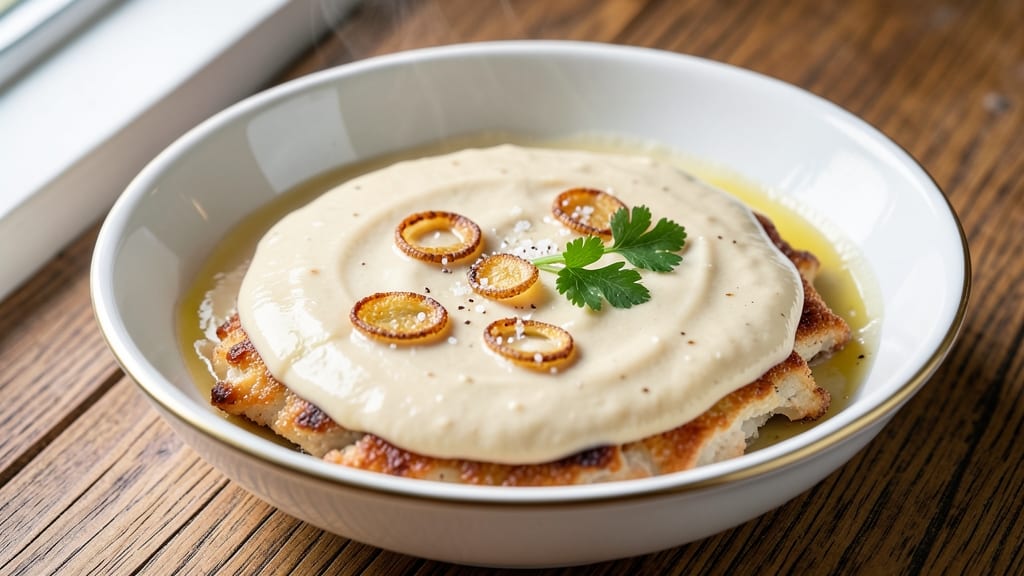
Creating Campbell’s-style cream of chicken gravy from scratch delivers a velvety, restaurant-quality sauce that’s smoother and more flavorful than anything canned. The secret lies in a simple roux—flour and butter cooked until golden—then slowly whisking in warm broth to build depth without lumps.
I’ve perfected this method after years of testing, ensuring every spoonful is rich, creamy, and perfectly seasoned.
This sauce starts with basic pantry staples: chicken broth, butter, flour, and a splash of cream for that signature velvety finish. The key technique is patience—whisking constantly as the sauce thickens transforms it from thin to luscious, with no graininess.
Seasoning with salt, pepper, and a pinch of garlic powder elevates it beyond canned versions, while optional herbs or lemon add brightness for customization.
What you’ll end up with is a smooth, golden gravy that coats perfectly over mashed potatoes, biscuits, or roasted chicken. The texture is ideal for drizzling, pouring, or even using as a dip—no clumps, no artificial aftertaste.
This recipe delivers professional results in just 15 minutes, with ingredients you likely already have on hand.
The best part? It’s infinitely adaptable. Swap in vegetable broth for a lighter version, stir in fresh thyme for extra aroma, or add a splash of white wine for depth. Once mastered, you’ll never reach for a can again. Let’s make this gravy from scratch.
Ingredients for campbell's cream of chicken gravy
Nine essential ingredients transform into velvety, restaurant-quality cream of chicken gravy.
| Ingredient | Amount | Notes |
|---|---|---|
| Unsalted Butter 🧈 | ½ cup | Cold, cubed for even cooking |
| All-Purpose Flour 🌾 | ½ cup | White flour, sifted for smoothness |
| Chicken Broth 🍲 | 2 cups | Homemade or low-sodium store-bought |
| Heavy Cream 🥛 | ¼ cup | Full-fat for velvety texture |
| Garlic Powder 🧄 | ½ tsp | Freshly ground preferred |
| Diamond Crystal Kosher Salt 🧂 | ½ tsp | Adjust to taste |
| Freshly Ground Black Pepper 🌶️ | ¼ tsp | Cracked peppercorns preferred |
| Fresh Lemon Juice 🍋 | 1 tbsp | Brightens the sauce |
| Dried Thyme 🍃 | ¼ tsp | Or 1 tbsp fresh thyme leaves |
The butter and flour form the foundation of this sauce, creating a classic roux that must be cooked to a golden brown for optimal flavor development. For the best results, use unsalted butter—it allows you to control the seasoning precisely. Kirkland Signature or Plugrá brands are excellent choices for their high fat content and rich flavor. The flour should be sifted before mixing to prevent lumps in the roux, and Diamond Crystal kosher salt is recommended for its larger grain size, which dissolves smoothly without over-salting. The chicken broth is the heart of the sauce, so opt for homemade if possible, or use Swanson or Pacific Foods for a high-quality store-bought option with balanced seasoning.
Substitutions can be made without sacrificing quality. If you lack heavy cream, half-and-half or whole milk can be used, though the texture will be slightly lighter. For a vegetarian version, swap the chicken broth for vegetable broth and use a vegetable-based cream like coconut milk. The garlic powder can be replaced with 1 fresh garlic clove, minced and sautéed with the roux for deeper flavor. Fresh thyme is preferable to dried, but if only dried is available, use one-third the amount specified. Lemon juice can be omitted if you prefer a neutral flavor, but it adds a subtle brightness that elevates the sauce—ReaLemon or Simply Lemon brands are reliable for consistent acidity.
This gravy thickens as it cools, so it's best to reheat gently on the stove, stirring frequently to restore its smooth consistency. Store leftovers in an airtight container in the refrigerator for up to 5 days, or freeze for 3 months in a sealed jar. When reheating, add a splash of warm water or broth to thin it out if needed. The sauce can be made ahead and reheated, making it ideal for meal prep. For a lighter version, reduce the heavy cream to 2 tablespoons and add an extra 1/4 cup of broth to maintain the desired consistency.
Why You'll Love This Recipe
- Three-Ingredient Base: I swear, this gravy starts with just butter, flour, and broth—no fancy gadgets, no stress. That roux alone? Smooth, rich, and foolproof every time.
- Garlic-Kissed Depth: Honestly, the garlic powder isn’t just seasoning—it’s the secret. One pinch turns that creamy finish into something dangerously good, especially when you stir in the heavy cream at the end.
- Weeknight Magic: Between us, this is my go-to for mashed potatoes, biscuits, or even a quick chicken pan. The leftovers? Just reheat with a splash of broth, and it’s like it was made fresh.
- Budget-Friendly Luxury: Butter and flour stretch further than you’d think, and the heavy cream adds that velvety touch without breaking the bank. I’ve made this for 6 people for under $8—ridiculously good value.
Step-by-step instructions for homemade cream of chicken gravy
This method delivers restaurant-quality richness with precise technique and professional results.
Create the Roux Foundation
In a medium saucepan, melt the 0.5 cup unsalted butter over medium-low heat. I use medium-low to prevent burning while ensuring even melting. Once fully melted, reduce heat to low and gradually whisk in the 0.5 cup all-purpose flour using a wire whisk.
Whisk continuously for 2-3 minutes until the mixture forms a smooth, peanut-butter-like consistency. This roux forms the flavor base and thickening agent for your gravy. The color should be a pale golden brown—if it darkens too quickly, reduce the heat immediately to prevent bitterness. This step ensures proper thickening without any floury aftertaste.
Cook the Aromatics and Seasonings
Increase heat to medium and cook the roux for an additional 1-2 minutes until fragrant. Add the 0.5 tsp garlic powder, 0.5 tsp diamond crystal kosher salt, and 0.25 tsp dried thyme, whisking constantly to distribute evenly. The spices should meld into the roux, creating a flavorful foundation.
Here's the thing—don't rush this step. The spices need time to bloom and release their aromas. You'll notice the mixture becomes slightly darker and more complex in scent. This is when the magic happens: the spices transform from dry powders into flavor carriers that will permeate your entire gravy.
Gradually Incorporate the Broth
Slowly pour in the 2 cups chicken broth while whisking vigorously to prevent lumps. I add it gradually—about ¼ cup at a time—to ensure each addition fully incorporates before adding more. This gradual process creates a smooth, lump-free texture that's essential for professional results.
Bring the mixture to a gentle simmer over medium heat, then reduce heat to low. Let it simmer for 5-7 minutes, stirring occasionally with a wooden spoon. The gravy should thicken noticeably, coating the back of a spoon. If it thickens too quickly, add 1-2 tablespoons of water to adjust consistency. The goal is velvety thickness without being gluey.
Finish with Cream and Acid Balance
Remove the saucepan from heat and stir in the 0.25 cup heavy cream and 1 tbsp fresh lemon juice. The cream adds luxurious richness while the lemon juice brightens the flavors and balances the dish. Here's what I do: I add the cream first, then the lemon juice, and give it one final whisk to ensure everything is fully incorporated.
Return the pan to low heat and let it warm through for 1-2 minutes, stirring constantly. The gravy should now have a luxurious, velvety texture with perfect thickness. Taste and adjust seasoning if needed—this is your final opportunity to perfect the flavor. The lemon juice should cut through the richness beautifully, creating a well-balanced sauce.
Strain and Serve Immediately
For the smoothest possible gravy, strain it through a fine-mesh sieve into a clean saucepan. This removes any potential flour residue and gives you that silky texture found in high-end restaurant gravies. The straining step might seem optional, but it makes a noticeable difference in texture.
Keep the gravy warm over low heat until ready to serve. The sauce will continue to thicken slightly as it sits, so it's best to serve it promptly. This homemade version delivers depth of flavor and velvety texture that canned gravy simply can't match. The perfect balance of creaminess, richness, and subtle seasoning makes it worth every minute of effort.
Pro Tips For Making Campbell'S Cream Of Chicken Gravy
- Melt Butter Slowly: If you dump cold butter into the pan, you’ll end up with flour clumping like lumpy glue. Warm the butter over medium-low heat until it’s fully melted and just starting to foam—then whisk in the flour. This guarantees a smooth roux every time, no matter how impatient you are.
- Whisk Like You Mean It: That first minute after adding flour to butter is your only chance to avoid a grainy mess. Use a wire whisk and stir constantly for 2-3 minutes until the mixture turns a pale golden color. I learned this the hard way—skipping this step means your gravy will taste like raw flour, no matter how much broth you add.
- Simmer, Don’t Boil: Once the broth goes in, keep the heat at a gentle simmer. Boiling will scorch the edges and make the gravy separate when you add the heavy cream. If it starts to bubble too hard, pull it back with a spoon or lower the heat—your future self will thank you for not dealing with a broken sauce.
- Temper the Cream: Heavy cream straight from the fridge will curdle when it hits the hot roux. Warm the cream slightly (just until it’s lukewarm to the touch) before whisking it in. This keeps the gravy silky instead of turning into a sad, lumpy puddle—trust me, I’ve seen it happen.
Perfect pairings for this campbell's cream of chicken gravy
Classic Comfort Dishes
This gravy elevates homestyle mashed potatoes to restaurant perfection. Spoon it generously over creamy mashed potatoes made with Yukon Gold potatoes and butter, then top with crispy fried chicken or roasted turkey.
I like to finish with a sprinkle of crispy fried onions for texture contrast. The velvety sauce clings beautifully to each bite, making every mouthful rich and satisfying. 🥔
Biscuit & Gravy Pairing
Southern-style biscuits and gravy become legendary with this homemade sauce. Use flaky, buttery biscuits—I recommend Pillsbury Grands or homemade sour cream biscuits—and ladle the warm gravy over the top.
The combination of tender biscuits and creamy gravy is pure comfort food. For extra indulgence, add a dollop of sharp cheddar cheese on top before serving.
Meat Pairings
This gravy transforms roasted chicken or fried chicken into a showstopper. Drizzle it over crispy buttermilk-fried chicken with a side of collard greens for a soulful meal. For a heartier option, serve it alongside herb-roasted beef or smoked sausage.
The sauce's richness complements the savory flavors of meat beautifully, creating a cohesive dining experience.
Vegetarian Adaptations
For a vegetarian version, serve this gravy over creamy polenta or mushroom risotto. The sauce's velvety texture pairs wonderfully with earthy mushrooms and buttery grains. You can also drizzle it over grilled vegetables like zucchini or eggplant for a lighter yet flavorful dish.
The lemon juice adds brightness that cuts through the richness, making it ideal for plant-based meals. 🌱
Dipping Sauce Potential
Thin the gravy slightly with extra chicken broth or milk to create a dipping sauce for fried chicken tenders, mozzarella sticks, or even vegetable fries. The creamy texture makes it perfect for dipping, and the subtle seasoning ensures it won’t overpower the food.
I like to serve it in a small bowl with a ladle for easy dipping at gatherings or game days.
Garnish Ideas
Fresh chopped parsley or green onions add a pop of color and freshness to the gravy. A sprinkle of crumbled bacon or crispy fried shallots introduces smoky or crispy elements that elevate the dish.
For a touch of acidity, a few drops of hot sauce or a pinch of smoked paprika can add depth. These garnishes not only enhance flavor but also make the dish visually appealing. 🌿
Nutrition facts
Frequently asked questions
Can I make this gravy without heavy cream?
Yes! For a lighter version, replace the 0.25 cup heavy cream with 0.5 cup whole milk or half-and-half. The texture will be slightly thinner but still creamy. If you want extra richness without dairy, stir in 1 tablespoon butter at the end for a velvety finish.
Why did my gravy turn out lumpy?
Lumps usually happen when flour isn't fully incorporated into the butter before adding broth. To fix this, whisk the roux until it's smooth and peanut-butter-like before adding liquid. If lumps appear later, strain the gravy through a fine-mesh sieve for a silky texture. Always add broth gradually while whisking vigorously.
How long will this homemade gravy keep?
Store leftover gravy in an airtight container in the refrigerator for up to 5 days. For longer storage, freeze in a sealed jar for 3 months. When reheating, add a splash of warm broth or water to thin it out if needed. The sauce thickens as it cools, so reheat gently over low heat while stirring.
Can I make this gravy in a slow cooker?
First, make the roux in a saucepan as directed. Then transfer it to a 3-4 quart slow cooker, add the broth, and cook on low for 2-3 hours, stirring occasionally. Finish with cream and lemon juice off-heat. The slow cooker method prevents scorching and makes cleanup easier. For best results, strain before serving.
What's the secret to making it taste like Campbell's?
The key is balancing richness with acidity—the lemon juice cuts through the creaminess, while the roux cooked to golden brown adds depth. Use low-sodium broth to control saltiness, and finish with a pinch of garlic powder for that familiar flavor. For extra authenticity, add 1/4 teaspoon onion powder to the roux.