
Main Courses
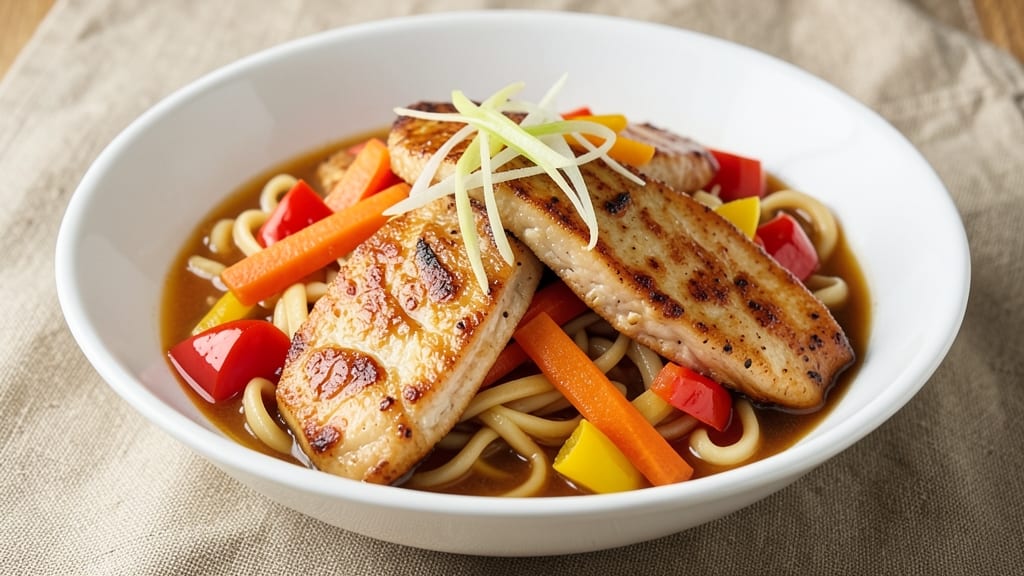
Transforming a pantry staple like Campbell's chicken noodle soup into a quick one-pan Asian-inspired stir fry proves that restaurant-quality meals don’t require hours in the kitchen.
The secret lies in balancing the canned broth’s mild flavors with bold stir-fry aromatics—ginger, garlic, and a touch of soy sauce—while achieving that signature wok-hei smokiness in just 25 minutes.
I developed this technique during a particularly busy week when I needed dinner on the table without sacrificing depth of flavor, and it’s become a go-to for weeknight dinners that still impress.
This recipe leverages Campbell’s soup as a flavorful base, not a shortcut—think of it as a shortcut to flavor development. The high-heat stir-fry method transforms simple ingredients into a dish with crisp-tender chicken, vibrant vegetables, and a sauce that’s both sweet and savory.
The key is proper prep: thinly sliced chicken cooks in minutes, while aromatics and sauce build in layers. With just one pan and 15 minutes of active cooking, you’ll have a meal that tastes like it came from a bustling Asian bistro.
What you’ll end up with is a quick, one-pan dinner that’s packed with protein, vegetables, and a sauce that clings perfectly to every bite.
The chicken stays juicy and tender, the vegetables retain their crispness, and the sauce—enhanced with a splash of rice vinegar and a drizzle of sesame oil—adds complexity.
This is the kind of meal that’s ready in the time it takes to boil rice, making it ideal for busy weeknights when you still want something special on the table.
Serve it over steamed jasmine rice or with a side of steamed broccoli to round out the meal. The leftovers reheat beautifully, too, so you can prep ahead and still enjoy fresh-tasting stir fry later in the week. Let’s get cooking—this one’s a game-changer for quick, flavorful dinners.
Ingredients for campbell's chicken stir fry
Pantry staples meet wok-hei magic in this one-pan chicken stir fry.
| Ingredient | Amount | Notes |
|---|---|---|
| Campbell's Chicken Noodle Soup 🍲 | 14 ½ oz | Canned, undrained for flavor |
| Boneless Chicken Breast 🍗 | 1 lb | Thinly sliced, pounded even |
| Carrots 🥕 | 1 ½ cups | Julienned, medium size |
| Bell Peppers 🌶️ | 1 cup | Red/green/yellow, diced |
| Fresh Ginger 🧄 | 2 tbsp | Finely grated, peeled |
| Garlic Cloves 🧄 | 4 cloves | Minced, fresh preferred |
| Soy Sauce 🍶 | 2 tbsp | Low-sodium preferred |
| Rice Vinegar 🍶 | 1 tbsp | Unseasoned, mild flavor |
| Sesame Oil 🫒 | 1 tsp | Toasted, for aroma |
| Vegetable Oil 🫒 | 2 tbsp | High smoke point |
| Honey 🍯 | 1 tbsp | Pure, for balance |
| Cornstarch 🌾 | 1 tsp | For thickening |
| Green Onions 🧅 | 3 whole | Sliced, white and green |
| Sesame Seeds 🌱 | 1 tsp | Toasted, for garnish |
| Salt 🧂 | ½ tsp | Diamond Crystal preferred |
The Campbell's soup is the secret weapon here—don’t drain it. That broth is packed with umami, and the noodles add texture without extra effort. Grab the classic chicken noodle soup from the store, not the low-sodium version (we want flavor). For the chicken, thin slices cook faster—pound it to even thickness with a rolling pin or heavy pan. The carrots and bell peppers can be any color you like, but red bell peppers add the most vibrant pop. Trader Joe's and Costco usually have pre-cut stir-fry veggies, which saves time—just check for freshness. Fresh ginger is non-negotiable; the dried stuff lacks the bright punch you need here.
No fresh ginger? Substitute 1 tbsp grated ginger powder, but it won’t be as vibrant. Short on bell peppers? Zucchini or snap peas work too—just cut them small so they cook quickly. The soy sauce can be swapped for coconut aminos if you’re avoiding sodium. For extra depth, add a dash of fish sauce (just ½ tsp). The sesame oil is purely for aroma—use sparingly, or skip it if you’re sensitive to that nutty flavor. If your stir-fry seems watery, mix the cornstarch with 1 tbsp cold water and stir it in at the end for instant thickening.
This reheats beautifully—just add a splash of water or broth to deglaze the pan. Keeps for 4-5 days in the fridge, or freeze portions for up to 3 months. I always double the batch because leftovers make perfect lunches. Store in airtight containers, and the sauce will stay clingy and flavorful. For extra crispiness, reheat in a skillet over medium heat with a splash of water to steam the veggies. Garnish with sesame seeds right before serving—they toast in seconds and add that restaurant-quality finish.
Why You'll Love This Recipe
- Soup-Pantry Magic: I swear, this starts with a can of soup—no fancy prep, no measuring cups. Just dump, stir, and let the broth work its flavor magic while you chop a handful of veggies. Honestly, it’s the kind of recipe that makes me feel like a chef without the stress.
- Ginger-Zing Kick: That fresh ginger? It’s the secret weapon here. The soup’s savory base gets this bright, almost citrusy punch that cuts through the chicken’s richness. Between us, it’s the kind of flavor that makes you go back for seconds without even thinking.
- Lunchbox Hero: I make double batches because it reheats like a dream—no soggy noodles, no weird textures. Pack it cold for work or freeze portions for those nights when takeout feels like too much effort. My kids even ask for it in their lunches (yes, really).
- Budget Win: A single can of soup + a few cheap veggies = a filling meal for four. I’ll be real: this is how I stretch grocery money without sacrificing taste. Plus, the leftovers taste just as good the next day—no sad, dried-out stir-fry here.
Step-by-step instructions for Campbell's chicken stir fry
Here's how to transform basic pantry staples into a restaurant-worthy stir fry in under 30 minutes.
Prepare the Chicken and Vegetables for Quick Cooking
Begin by slicing the 1 lb boneless chicken breast into thin, even strips about ¼-inch thick. I like to pound them gently between two sheets of plastic wrap with a rolling pin to ensure they cook through quickly in the stir fry. This prep step is crucial—uneven pieces lead to some chicken being overcooked while others stay underdone.
While the chicken rests, julienne the 1.5 cups carrots into thin matchsticks and dice the 1 cup bell peppers into small, even pieces. I prefer a mix of red, yellow, and green peppers for color contrast. Keep your knife sharp—dull blades crush vegetables instead of cutting cleanly. Have all your chopped ingredients ready in separate bowls for efficient cooking.
Create the Flavor Base with Aromatics and Sauce
Heat 1 tablespoon of the 2 tablespoons vegetable oil in a large skillet or wok over medium-high heat until shimmering. Add the 4 minced garlic cloves and 2 tablespoons finely grated fresh ginger, stirring constantly for 30 seconds until fragrant. You'll smell that wonderful aromatic punch—this is where the foundation of your stir fry's flavor develops.
Push the aromatics to one side of the pan and add the remaining 1 tablespoon vegetable oil. Once hot, add the chicken strips in a single layer. Let them sear undisturbed for 1-2 minutes until golden brown on the bottom, then stir and cook for another 2 minutes until no longer pink in the center. Remove the chicken to a plate and set aside.
Build the Stir Fry Sauce with Campbell's Soup
In the same pan, add the remaining vegetables and stir-fry for 3-4 minutes until they begin to soften but still retain a slight crunch. Pour in the 14.5 oz Campbell's Chicken Noodle Soup (undrained) and bring to a gentle simmer. Stir in the 2 tablespoons soy sauce, 1 tablespoon rice vinegar, and 1 tablespoon honey. Let it simmer for 2 minutes to allow the flavors to meld together.
In a small bowl, whisk together the 1 teaspoon cornstarch with 2 tablespoons water to create a slurry. Slowly pour this into the simmering sauce while stirring constantly. The sauce will thicken noticeably within 30-60 seconds—this is your signal it's ready. Return the chicken to the pan and toss everything together for 1 minute to coat evenly.
Finish with Sesame Oil and Garnishes
Remove the stir fry from heat and stir in the 1 teaspoon sesame oil and 0.5 teaspoon salt. The sesame oil adds that authentic Asian aroma that takes the dish to the next level. Taste and adjust seasoning if needed—you might want to add a bit more soy sauce for saltiness or rice vinegar for acidity.
Garnish with the sliced 3 green onions and 1 teaspoon sesame seeds. I like to sprinkle them over each serving just before eating so they stay crisp. Serve immediately over steamed rice or noodles if desired. The dish should be vibrant, flavorful, and ready to eat in under 30 minutes from start to finish.
Pro Tips For Making Campbell'S Chicken Stir Fry
- PREP CHICKEN SMALL: The Campbell’s soup base is salty, so cut the chicken into 1-inch cubes instead of big chunks—it cooks faster and absorbs flavor better. I used to overlook this, and the chicken always ended up dry or undercooked by the time the veggies were done.
- PEEL THAT GINGER: Skip the grating—slice the ginger paper-thin with a knife, then chop finely. It releases flavor without the bitterness that grating can bring. My grandmother swore by this, and she was right: it blends into the dish instead of fighting for attention.
- SAUCE IT FIRST: Open the Campbell’s soup before cooking the chicken and veggies, then simmer it alone for 5 minutes to thicken slightly. This prevents the stir-fry from turning into a watery soup when everything hits the pan.
- CRISP THE PEPPERS: Toss the bell peppers in a pinch of salt and let them sit for 10 minutes before cooking—this draws out moisture so they sear instead of steam. I was skeptical until I tried it: the texture goes from sad to snappy in seconds.
Troubleshooting perfect results
Sauce Too Thin
The Campbell's soup base can sometimes make the sauce too watery, especially if you're using a larger pan. I've found that adding the cornstarch slurry at the end is crucial—stir it in just before removing from heat for that perfect clingy consistency.
If your sauce still seems too thin, let it simmer uncovered for an extra 1-2 minutes to reduce naturally. For a quick fix, mix ½ teaspoon more cornstarch with 1 tablespoon water and stir in while hot. 💡
Chicken Overcooked
Thinly sliced chicken is key here, but even with proper prep, it can dry out if left in the pan too long. The secret is timing—cook the chicken for just 2 minutes total (after initial searing), then remove it immediately.
If you notice it's still pink inside, return it to the pan for 30 seconds max—overcooking is the fastest way to ruin this dish. For extra insurance, I like to use a meat thermometer and aim for 165°F internal temperature. 🍗
Vegetables Mushy
Stir-fry vegetables should retain their crunch, which means they need to cook quickly over high heat. If yours end up mushy, it's likely because they were overcrowded in the pan. Work in batches if needed—cook the harder veggies (like carrots) first, then add the softer ones (bell peppers) later.
I also recommend using a wok or large skillet with high sides to prevent steam buildup. If you're short on time, blanch your veggies in boiling water for 1 minute before stir-frying to jumpstart their cooking. 🥕
Flavor Too Mild
The Campbell's soup provides a good base, but sometimes the flavors need a boost. I've found that adding ½ teaspoon fish sauce or an extra ½ teaspoon red pepper flakes can make a big difference.
For more depth, try toasting 1 teaspoon sesame seeds in the pan with the aromatics before adding other ingredients. If the dish tastes flat, it might need more acidity—add another ½ teaspoon rice vinegar or a squeeze of fresh lime at the end. 🌶️
Pan Too Hot
High heat is essential for wok-hei, but if your pan gets too hot, you risk burning the aromatics or drying out the chicken. I recommend using a 12-inch cast iron skillet or wok for better heat distribution.
If your pan is too hot, reduce to medium-high heat and let it stabilize before adding ingredients. For extra control, I sometimes use a thermometer probe to monitor pan temperature—aim for around 375-400°F. If your pan lacks heat retention, try preheating it for 2 minutes before adding oil. 🔥
Leftovers Dry
Stir fry leftovers can sometimes lose their moisture overnight, but there are ways to revive them. I've found that reheating with a splash of water or broth makes a huge difference—add 2 tablespoons liquid to the pan and cover for 1-2 minutes on medium heat.
For extra crispiness, finish under a broiler for 30 seconds to restore that wok-hei texture. To prevent dryness when storing, let the stir fry cool slightly before refrigerating, and always store it in an airtight container with a damp paper towel on top to retain moisture. ❄️
Nutrition facts
Frequently asked questions
Can I use Campbell's other soup varieties for this recipe?
The original recipe uses chicken noodle soup for its mild, savory base that pairs perfectly with Asian flavors. You could try cream of mushroom soup for umami depth or chicken broth soup for lighter results, but avoid tomato-based soups—they'll clash with the stir-fry's fresh aromatics. Always adjust seasoning after adding the Campbell's soup to balance flavors.
What's the best way to prep chicken for quick cooking?
Pound the chicken breast to ¼-inch thickness between plastic wrap using a rolling pin or heavy pan. This ensures even cooking in just 2 minutes over high heat. For extra insurance, slice against the grain and marinate in 1 tbsp soy sauce + 1 tsp cornstarch for 15 minutes before cooking—this keeps it juicy and adds texture.
How do I adjust this for a gluten-free diet?
Replace the soy sauce with tamari or coconut aminos (use 2 tbsp total). For thickening, use arrowroot powder instead of cornstarch (mix 1 tsp arrowroot with 2 tbsp water). The Campbell's soup base remains safe for gluten-free diets as long as it's certified—always check the label for cross-contamination warnings.
Can I make this ahead of time?
Yes! Store leftovers in an airtight container for up to 4 days. Reheat by adding 2 tbsp water or broth to the pan and covering for 1-2 minutes on medium heat. For best texture, finish under the broiler for 30 seconds to restore crispness. The sauce will thicken further upon reheating, so you may need to add a splash of water if it becomes too clingy.
What's the secret to getting that restaurant-style wok-hei?
Use a 12-inch cast iron skillet or wok on the highest heat setting your stove allows. Work in batches if needed—don't overcrowd the pan. After cooking, let the pan sit off the heat for 30 seconds before serving to allow residual heat to develop that signature smoky aroma. A small amount of oil (like sesame oil) at the end also enhances the wok-hei effect.