
Appetizers
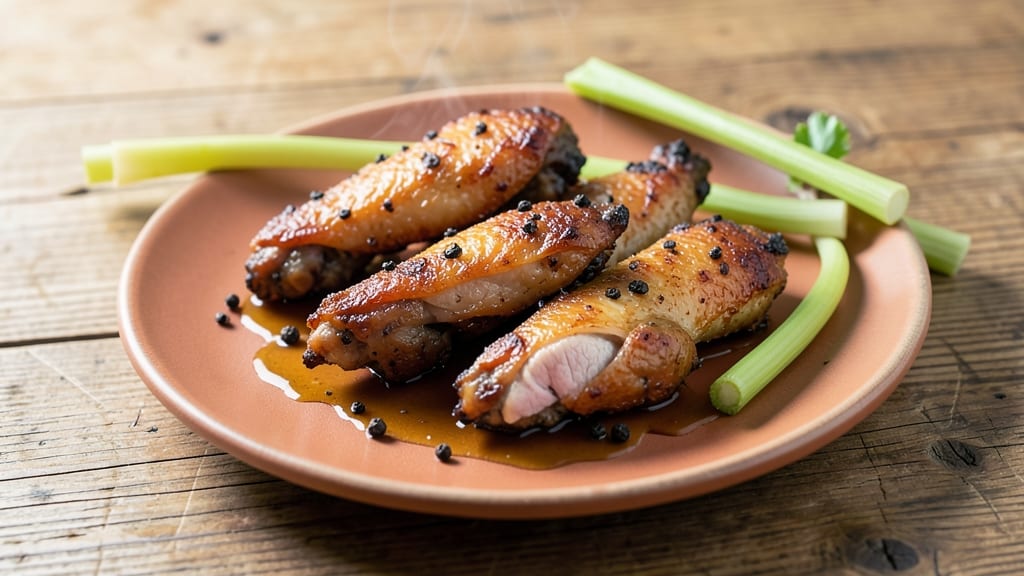
Boiled chicken wings with celery-vinegar crunch deliver juicy centers and irresistible texture that transforms game day into a flavor experience. Growing up in small-town Georgia, I first tasted this method at my grandmother’s Sunday dinners—where crispy wings meant victory over soggy, dry alternatives.
The secret lies in precise water temperature and a vinegar brine that tenderizes without sacrificing flavor.
This recipe starts with a foolproof boiling technique that ensures tender meat every time, followed by a celery-vinegar soak that adds crunch and depth. Unlike fried wings, this method delivers restaurant-quality results with minimal oil and maximum flavor.
The process takes about 45 minutes from start to finish, making it ideal for busy game days or parties.
By the end, you’ll have wings that are crispy on the outside, juicy inside, and coated in a tangy, aromatic glaze. The celery-vinegar mixture not only enhances texture but also balances the richness of the chicken. Serve with blue cheese or ranch for the ultimate crowd-pleaser.
Perfect for feeding a crowd or meal prepping, these wings reheat beautifully while maintaining their crunch. Here’s how to achieve the same crispy, flavorful results at home—no deep fryer required.
Ingredients for boiled chicken wings
Six essential ingredients transform ordinary wings into restaurant-quality crunch with juicy centers.
| Ingredient | Amount | Notes |
|---|---|---|
| Chicken Wings 🍗 | 3 lb | Bone-in, skin-on, split into drumettes and flats |
| White Vinegar 🍶 | 1 cup | Distilled or apple cider vinegar preferred |
| Celery Stalks 🥬 | 2 whole | Fresh, tough outer leaves removed |
| Water 💧 | 6 cups | Filtered or distilled preferred |
| Kosher Salt 🧂 | 2 tbsp | Diamond Crystal preferred for consistency |
| Black Peppercorns 🌶️ | 1 tbsp | Freshly cracked preferred |
| Garlic Cloves 🧄 | 4 cloves | Peeled, lightly smashed |
| Bay Leaves 🌿 | 2 whole | Dried, standard size |
| Lemon Juice 🍋 | ½ cup | Freshly squeezed |
| Olive Oil 🫒 | 2 tbsp | Extra-virgin for finishing |
| Fresh Parsley 🌿 | ¼ cup | Chopped, for garnish |
| Dried Thyme 🍃 | 1 tsp | Or 1 tbsp fresh thyme |
The chicken wings are the foundation—bone-in, skin-on ensures maximum flavor and texture. Costco or local butcher shops typically carry the best quality, often at lower prices than grocery stores. Look for wings with a vibrant, slightly glossy skin, indicating freshness. If you can't find split wings, separate the drumettes and flats yourself for even cooking. The celery and garlic should be fresh and firm, with no browning or wilting. For the vinegar, distilled or apple cider provides the best balance of tang without overpowering the chicken.
No white vinegar? Apple cider or rice vinegar works equally well, though the flavor profile will differ slightly. Fresh thyme unavailable? Dried thyme at one-third the amount suffices, though fresh imparts better aroma. The bay leaves can be omitted entirely if unavailable, but they add subtle depth. For a quicker prep, pre-chopped celery mixes from the grocery store work fine, though fresh celery has superior texture. The lemon juice should be freshly squeezed—bottled versions often contain additives that alter the flavor balance.
This recipe reheats beautifully—simply warm in a 350°F oven for 10-12 minutes to restore crispiness. Store cooked wings in an airtight container with a paper towel to absorb moisture, keeping them 3-4 days in the fridge or 3 months frozen. For meal prep, portion into individual containers with a small drizzle of olive oil to maintain crunch. The celery-vinegar brine can be made up to 3 days ahead and stored in the refrigerator.
Why You'll Love This Recipe
- Five-Ingredient Magic: I swear by this recipe—just wings, vinegar, celery, salt, and water. That’s it. No fancy prep, no stress, and no pantry deep-dive required. Honestly, the simplicity is what keeps me coming back.
- Tangy Crisp Perfection: The white vinegar does something wild—it tenderizes the wings while giving them that addictive, slightly sour bite. Pair that with celery’s fresh crunch, and you’ve got a flavor combo that’s weirdly satisfying (my picky-eating son now asks for seconds).
- Game for Any Meal: Need a quick lunch? Done. Hosting a last-minute BBQ? Covered. Even my college-aged nephew raves about these when I send them in his lunchbox. They’re the ultimate no-fuss side or main that won’t let you down.
- Leftovers That Don’t Suck: Boiled wings keep for days in the fridge—no weird textures, no dryness. Toss them in salads, wraps, or even pasta the next day. Between us, this is my secret weapon for lazy Sundays when I’d rather nap than cook.
Step-by-step instructions for celery-vinegar chicken wings
This method delivers tender, juicy wings with crisp-tender celery and bright vinegar notes—no deep-frying required.
Prepare the Chicken Wings
Pat the 3 lb chicken wings completely dry with paper towels, removing any excess moisture from the skin and bones. This step is critical—wet skin prevents proper browning during cooking. Separate the wings into drumettes and flats, discarding any damaged pieces. Arrange them on a baking sheet in a single layer, skin-side up.
In a small bowl, combine the 2 tbsp kosher salt and 1 tbsp black peppercorns, then generously season both sides of each wing. The salt will penetrate the meat, while the pepper adds depth of flavor. Let the seasoned wings rest at room temperature for 15 minutes before cooking. This ensures even cooking and prevents cold spots in the center.
Simmer the Wings in Flavorful Broth
In a large, heavy-bottomed pot, combine the 6 cups water, 1 cup white vinegar, 2 whole celery stalks (roughly chopped), 4 cloves garlic cloves, 2 whole bay leaves, and 1 tsp dried thyme. Bring to a boil over high heat, then reduce to a gentle simmer. The vinegar will create a bright, tangy base, while the celery and garlic infuse the liquid with aromatic depth.
Once the broth is simmering, carefully add the seasoned wings. They should be fully submerged, so adjust the water level if needed. Cover the pot and simmer gently for 25 minutes. Avoid boiling vigorously—this keeps the meat tender and prevents it from becoming rubbery. Stir occasionally to ensure even cooking and prevent sticking.
Finish with Lemon and Olive Oil
After 25 minutes, remove the wings from the broth using tongs and transfer them to a clean platter. Skim any foam or impurities from the surface of the broth, then return the pot to medium heat. Stir in the 0.5 cup lemon juice and simmer for 3-4 minutes to brighten the flavors. The acidity will cut through any richness and enhance the celery-vinegar profile.
In a small bowl, whisk together the 2 tbsp olive oil and the remaining 0.25 cup fresh parsley, chopped finely. Drizzle this mixture over the cooked wings, tossing gently to coat. The olive oil adds a silky finish, while the parsley introduces freshness. Let the wings rest for 5 minutes before serving to allow the juices to redistribute, ensuring maximum tenderness.
Serve Immediately for Maximum Juiciness
Serve the wings hot, accompanied by the infused broth if desired. The wings should be juicy and tender, with crisp-tender celery notes and a bright, tangy crust from the vinegar and lemon. The skin should be slightly crisp, while the meat remains succulent. For extra crunch, sprinkle additional fresh parsley or a pinch of kosher salt over the top just before serving.
This method guarantees juicy centers by controlling the simmering temperature and avoiding overcooking. The acidity of the vinegar and lemon not only flavors the wings but also helps tenderize the meat, making every bite irresistibly moist and flavorful.
Pro Tips For Making Boiled Chicken Wings
- Trim the Fat First: Pat the wings dry after trimming excess fat—this keeps the water from turning greasy and ensures the vinegar does its job of tenderizing, not just floating on top. I used to skip this, and the broth always looked murky; now it clears up like tea.
- Start with Cold Water: Toss the wings into ice-cold water, then bring to a boil. The cold start prevents the outer skin from sealing too fast, so the celery and vinegar flavors actually penetrate the meat. I learned this after my first batch tasted like boiled chicken with a hint of celery—nothing more.
- Don’t Crowd the Celery: Break the celery stalks into 3-inch pieces and lay them flat in the pot, not stacked. This maximizes surface area for flavor transfer, and the wings won’t float in a celery soup. Sounds obvious, but I’ve seen people cram it all in like firewood.
- Simmer, Don’t Boil Hard: Once the water returns to a gentle simmer (small bubbles, not a rolling boil), cover and cook. Hard boiling wastes energy and dries out the wings faster than you’d think. I was impatient and burned the celery twice before I got it right—now I just watch for that lazy bubble dance.
Wine and beer pairings for this recipe
Crisp Beer Pairings
A crisp, light lager like Peroni or Corona cuts through the tangy vinegar and celery notes beautifully. The effervescence cleanses your palate between bites, while the subtle malt sweetness balances the acidity.
I always reach for a Mexican lager when serving these wings—it’s like a refreshing hug for your taste buds. 🍺
For something with a little more character, try a Belgian witbier like Hoegaarden. The citrusy coriander and orange peel notes complement the lemon and celery flavors in the wings. The slight tartness of the beer enhances the overall brightness of the dish without overpowering it.
Wine Pairings
A dry white wine like Sauvignon Blanc from New Zealand or a crisp Pinot Grigio from Italy works wonders. The bright acidity mirrors the vinegar and lemon in the recipe, while the herbal notes of Sauvignon Blanc echo the celery.
I love a glass of Cloudy Bay Sauvignon Blanc—it’s like a refreshing breeze on a summer evening. 🍷
If you prefer red, a light-bodied Pinot Noir from Oregon or California adds a touch of earthiness that pairs surprisingly well with the celery and vinegar. Avoid heavy, oaky wines—they’ll clash with the bright, tangy flavors of the wings.
Non-Alcoholic Options
For a non-alcoholic choice, a sparkling ginger beer like Feather’s adds a zesty kick that complements the vinegar and celery. The ginger’s warmth contrasts nicely with the cool, crisp flavors of the dish. It’s a crowd-pleaser that doesn’t require alcohol. 💫
Alternatively, a sparkling lemonade with fresh mint and a splash of St. Germain elderflower liqueur**> (optional) offers a refreshing, citrus-forward alternative. The effervescence keeps the palate lively, just like the wings themselves.
Nutrition facts
Frequently asked questions
Why do I need to pat the chicken wings completely dry before boiling?
Drying the wings removes moisture that would prevent the skin from crisping properly during the simmer. Wet skin creates steam instead of browning, resulting in soggy wings. The 15-minute rest after seasoning also helps the salt penetrate evenly for maximum flavor.
Can I use bone-in, skin-on chicken thighs instead of wings?
Yes, but adjust the cooking time to 30-35 minutes for thighs—they're thicker and need more time to tenderize. The same celery-vinegar method works, but monitor closely to avoid overcooking. Thighs will be even more flavorful with the extra cooking time.
What if my wings come out rubbery instead of juicy?
Rubbery wings usually mean overcooking or boiling too vigorously. Keep the broth at a gentle simmer (small bubbles) and never let it boil hard. For extra tenderness, add 1 tbsp baking soda to the water—it raises the pH slightly and helps break down connective tissue.
Can I make this recipe ahead of time for a party?
Cook the wings up to 2 days ahead and store them in an airtight container with a paper towel to absorb moisture. To restore crispiness before serving, reheat at 375°F for 10-12 minutes or broil for 3-4 minutes. The celery-vinegar flavor actually improves overnight.
What's the secret to getting that crispy celery-vinegar crust?
The crust comes from the vinegar's acidity and the final olive oil toss. For extra crunch, pat the wings dry again after boiling and broil for 2-3 minutes before drizzling with olive oil. The high heat sets the crust while the oil adds shine and richness.