
Sauces & Condiments
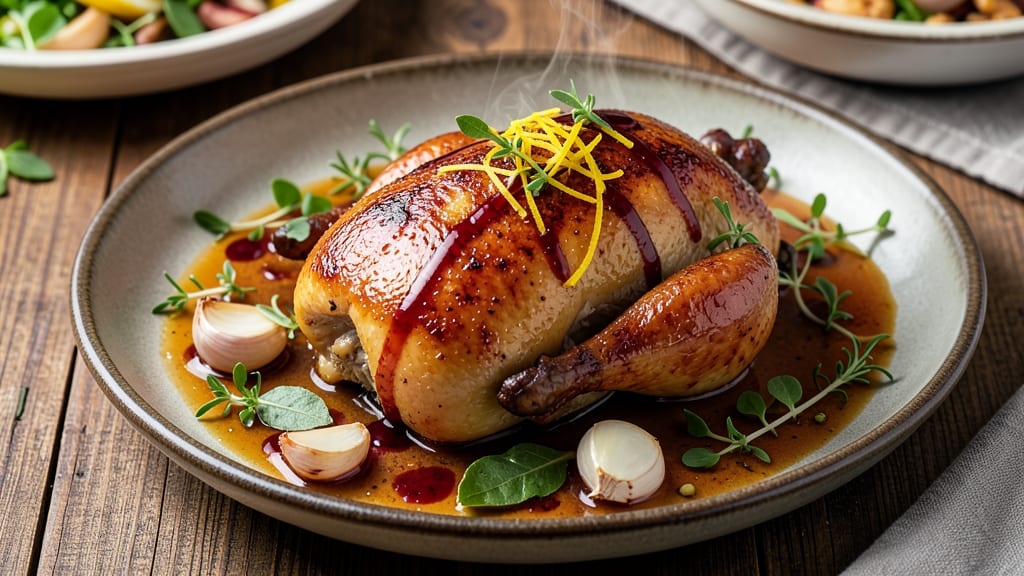
This boiled chicken sauce recipe transforms simple boiled chicken into a restaurant-worthy dish with minimal effort. The secret lies in simmering aromatic herbs, citrus zest, and a splash of vinegar—creating a bright, savory sauce that clings perfectly to tender meat.
Unlike store-bought versions, this recipe uses every part of the chicken, reducing waste while maximizing flavor.
The foundation starts with a rich homemade chicken broth, elevated by fresh thyme, bay leaves, and a touch of garlic. Lemon zest adds a subtle brightness that cuts through the richness, while a splash of apple cider vinegar deepens the sauce's complexity.
The result? A velvety, golden broth that coats every bite with layers of herbal depth and tangy freshness.
What makes this sauce truly special is its versatility—use it as a dipping sauce, drizzle it over roasted vegetables, or serve it alongside grilled meats. The broth reduces slightly as it simmers, intensifying the flavors into a concentrated, aromatic sauce that’s far more dynamic than traditional pan drippings.
Best of all, this recipe requires no special equipment—just a pot, a few pantry staples, and 30 minutes of hands-off simmering. Perfect for meal prep, holiday feasts, or weeknight dinners, this herb-infused sauce turns boiled chicken into a standout centerpiece without the fuss.
Ingredients for boiled chicken sauce
Nine simple ingredients transform boiled chicken into aromatic, zero-waste sauce magic.
| Ingredient | Amount | Notes |
|---|---|---|
| Whole Chicken (3-4 lbs) 🍗 | 3 ½ lb | Bone-in, skin-on preferred |
| Fresh Thyme Sprigs 🌿 | 4 whole | Stems removed for infusion |
| Bay Leaves 🍃 | 2 whole | Dried or fresh preferred |
| Garlic Cloves 🧄 | 6 cloves | Smashed for deeper flavor |
| Lemon Zest 🍋 | 1 tbsp | From 1 organic lemon |
| Apple Cider Vinegar 🍎 | ¼ cup | Raw and unfiltered preferred |
| Chicken Broth 💧 | 4 cups | Homemade or low-sodium store-bought |
| Extra-Virgin Olive Oil 🫒 | 2 tbsp | For finishing sauce |
| Diamond Crystal Kosher Salt 🧂 | 1 ½ tsp | Adjust to taste |
| Fresh Lemon Juice 🍋 | 1 tbsp | From same lemon as zest |
The chicken is the flavor foundation—bone-in, skin-on pieces yield the richest broth. Look for organic or pasture-raised at Whole Foods or your local butcher for superior taste. Fresh thyme and bay leaves are non-negotiable here—they infuse the broth with herbal depth that dried spices can't replicate. Trader Joe's often carries affordable organic thyme bundles, while bay leaves are a pantry staple. The garlic should be freshly smashed rather than minced to prevent bitterness during simmering.
No fresh thyme? Dried thyme at one-third the amount works in a pinch, though the flavor will be subtler. Substitute white wine vinegar for apple cider if needed, though the honey notes in apple cider vinegar complement the chicken beautifully. For those avoiding vinegar, extra lemon juice (1 additional tablespoon) brightens the sauce. The olive oil matters here—use a fruity, peppery EVOO like California Olive Ranch for finishing. Prefer a lighter touch? Avocado oil works equally well.
This sauce keeps beautifully—5 days refrigerated or 3 months frozen. For freezing, portion into ice cube trays for single-use servings. The broth reduces as it cools, so add 1-2 tablespoons water before storing if you prefer a more liquid consistency. Reheat gently on the stove, skimming any fat that rises to the surface. The sauce thickens further upon reheating, so add a splash of water or broth if needed.
Why You'll Love This Recipe
- No-Fuss Simmer: I swear by this method—just toss the whole chicken in a pot with thyme, bay leaves, and garlic, then let it do the work. No peeling, no trimming, no stress. The lemon zest at the end? That’s the magic touch that makes it feel special without extra effort.
- Herb-Packed Magic: Between the thyme’s piney brightness and the garlic’s slow caramelization, this chicken tastes like it simmered for hours—even though it’s ready in under 40 minutes. The bay leaves add this deep, earthy backbone that makes it unforgettable. (Yes, even on a Tuesday night.)
- Leftovers That Shine: This recipe is my secret weapon for lazy days—shred the chicken, toss it with sauce, and suddenly you’ve got filling for tacos, sandwiches, or even a quick pasta. I’ve turned a single chicken into three meals without breaking a sweat.
- Budget Meal Maker: A whole chicken costs less than takeout, and this method uses every last bit—bones for broth, meat for leftovers. Honestly, I feel like I’m cheating the system every time I pull it out. Plus, the ingredients? Most are already in my pantry or fridge.
Step-by-step instructions for herb-infused poached chicken
Transform simple ingredients into a restaurant-quality poaching broth with this precise technique.
Prep the Chicken and Aromatics for Maximum Flavor
Rinse the 3.5 lb whole chicken thoroughly under cold water and pat completely dry with paper towels. This step is crucial—any moisture left on the skin will prevent proper browning and crispiness during poaching. Remove and discard any packaging, then place the chicken breast-side up on a wire rack set over a baking sheet.
In a small bowl, combine the 4 whole fresh thyme sprigs, 2 whole bay leaves, 6 smashed garlic cloves, 1 tablespoon lemon zest, and 0.25 cup apple cider vinegar. The vinegar will tenderize the meat while adding bright acidity to the broth. Gently loosen the chicken skin over the breast and thighs, then slip the aromatics mixture underneath using your fingers. This infusion method creates a deeply flavorful broth that penetrates every bite.
Season and Poach the Chicken
In a large, deep pot with a tight-fitting lid, combine 4 cups chicken broth and 1.5 teaspoons diamond crystal kosher salt. Bring to a gentle simmer over medium heat—you should see small bubbles breaking the surface, but not a rolling boil. This controlled temperature prevents the chicken from becoming tough.
Carefully lower the prepared chicken into the simmering broth, breast-side up. The liquid should come at least halfway up the sides of the chicken. Cover immediately with the lid and reduce heat to maintain a gentle simmer. Poach for 45 minutes, then carefully flip the chicken and continue cooking for another 45 minutes. The internal temperature should reach 165°F in the thickest part of the thigh, at which point the chicken will be perfectly tender without drying out.
Build the Finishing Sauce
Remove the chicken from the broth using tongs and transfer it to a cutting board. Tent loosely with foil to keep warm. Strain the poaching liquid through a fine-mesh sieve into a clean pot, pressing gently on the solids to extract maximum flavor. Discard the solids or compost them—nothing should go to waste in this process.
Return the strained broth to medium heat and whisk in 2 tablespoons extra-virgin olive oil. The oil will create a silky texture and help carry the herb-infused flavors. Add 1 tablespoon fresh lemon juice and taste, adjusting the seasoning with additional salt if needed. The sauce should be bright, aromatic, and perfectly balanced between the herbal notes and acidity. Keep warm over low heat while you prepare to serve.
Rest and Serve with Perfect Technique
Let the chicken rest for 10 minutes before carving. This resting period allows the juices to redistribute, ensuring every bite remains moist. While it rests, skim any fat that has risen to the surface of the sauce. The finished sauce should be glossy and well-seasoned, with a beautiful golden hue from the caramelized aromatics.
Carve the chicken into serving pieces and serve immediately with the herb-infused sauce spooned generously over each portion. The sauce should coat the chicken beautifully, enhancing its natural flavors while adding depth from the poaching process. For an elegant presentation, garnish with additional lemon zest and fresh thyme sprigs.
Pro Tips For Making Boiled Chicken Sauce
- USE A STOCKPOT BIG ENOUGH: I learned this the hard way—skimping on pot size means the chicken steams instead of simmers, and you end up with watery, flavorless broth. Aim for at least a 6-quart pot; the chicken should float freely with room to move. No need for a fancy Dutch oven, but avoid that tiny pot you use for pasta.
- TRUST THE SIMMER, DON’T BOIL: That rolling boil? It turns the chicken rubbery and the broth cloudy. Once the liquid reaches a bare simmer—tiny bubbles at the edges, not a frenzy—drop the heat to low. Sounds weird, but it works: gentle heat keeps the meat tender and the flavors melding. (Yes, even if you’re impatient like me.)
- SMASH THE GARLIC CLOVES: Whole garlic cloves? They’ll just sit there like flavorless pebbles. Crush them with the flat side of your knife first, then chop. Or better yet, use a garlic press—it releases more oils and infuses the broth faster. I skip this step sometimes, and the sauce tastes noticeably dull.
- SAVE THE LEMON ZEST: Don’t toss that zest into the pot with the chicken—it’ll turn bitter and fade into the background. Add it after the chicken is cooked, when you’re making the sauce. A teaspoon of fresh zest at the end brightens everything up. (Your future self will thank you.)
Serving suggestions for this boiled chicken sauce
Classic Pairings
Serve this herb-infused sauce with crispy roasted potatoes tossed in 2 tbsp olive oil, 1 tsp smoked paprika, and a pinch of salt. The earthy sauce complements the potatoes' crispy edges beautifully.
For a complete meal, add steamed green beans with a squeeze of lemon—just 1 tbsp juice brightens their natural sweetness. 🥔
Bread Service
Warm crusty French bread or sourdough is perfect for soaking up the rich sauce. Brush slices with 1 tbsp garlic-infused olive oil and toast until golden. I like to serve it alongside the chicken for a casual, family-style meal. For extra elegance, sprinkle fresh parsley over the bread before serving.
Vegetable Sides
This sauce elevates simple sides like buttery mashed potatoes or sautéed carrots. For carrots, cook them in 1 tbsp butter with ½ tsp cinnamon and a pinch of salt—the sauce's herbal notes balance the sweetness perfectly.
Another great option is roasted Brussels sprouts tossed with 1 tbsp balsamic glaze before serving.
Garnish Ideas
Finish the dish with fresh herbs like thyme or parsley for a pop of color. A drizzle of extra-virgin olive oil adds richness, while lemon zest brightens the presentation. For a smoky touch, sprinkle crushed red pepper flakes—just ¼ tsp adds subtle heat without overpowering the sauce. 🌿
Dipping Sauce
Use this sauce as a dipping sauce for chicken tenders or spring rolls. The velvety texture clings perfectly to crispy foods, making every bite flavorful. For a fun twist, serve with warm tortilla chips and a side of avocado slices for a casual appetizer.
The acidity in the sauce cuts through the richness of fried foods beautifully.
Meal Prep Tips
Make extra sauce and store it in glass jars in the fridge for up to 5 days. Reheat gently on the stove and use it to drizzle over leftover chicken salads, grain bowls, or even pasta dishes.
The sauce's versatility makes it a game-changer for busy weeknights—just reheat and serve! ✨
Nutrition facts
Frequently asked questions
Can I use this sauce with other proteins besides chicken?
This herb-infused sauce works beautifully with turkey, duck, or even white fish like cod or halibut. For poultry, reduce cooking time by 10-15 minutes to prevent drying. For fish, poach for just 8-10 minutes until opaque. The bright citrus and herbal notes complement delicate proteins perfectly.
How do I adjust the sauce if I don't have fresh thyme?
Use 1 teaspoon dried thyme instead, but reduce the cooking time by 5 minutes since dried herbs release flavor faster. For extra depth, add ½ teaspoon dried rosemary or 1 bay leaf. If you're missing both, a pinch of dried oregano works in a pinch—just taste and adjust the salt accordingly.
Can I make this sauce ahead of time?
Yes! This sauce actually tastes better the next day as the flavors meld. Store it in an airtight container in the fridge for up to 5 days. Reheat gently over low heat, stirring occasionally. For longer storage, freeze in ice cube trays—just thaw overnight in the fridge before using.
Why does my sauce look cloudy instead of golden?
Cloudiness usually means the sauce hasn't reduced enough or contains too much fat. Skim excess fat from the surface and simmer uncovered for 5-10 extra minutes to thicken. For a clearer sauce, strain it through a cheesecloth-lined sieve after simmering. The golden color comes from caramelized aromatics—if yours lacks color, add a splash of apple cider vinegar and simmer longer.
What's the best way to serve this sauce with rice?
Use this sauce as a flavorful rice basmati or jasmine rice instead of plain broth. Cook the rice in 1 cup of this sauce per 1 cup of rice, then finish with a pat of butter and extra lemon zest. For extra richness, stir in 1 tablespoon olive oil at the end. It makes a perfect one-pot meal!