
Main Courses
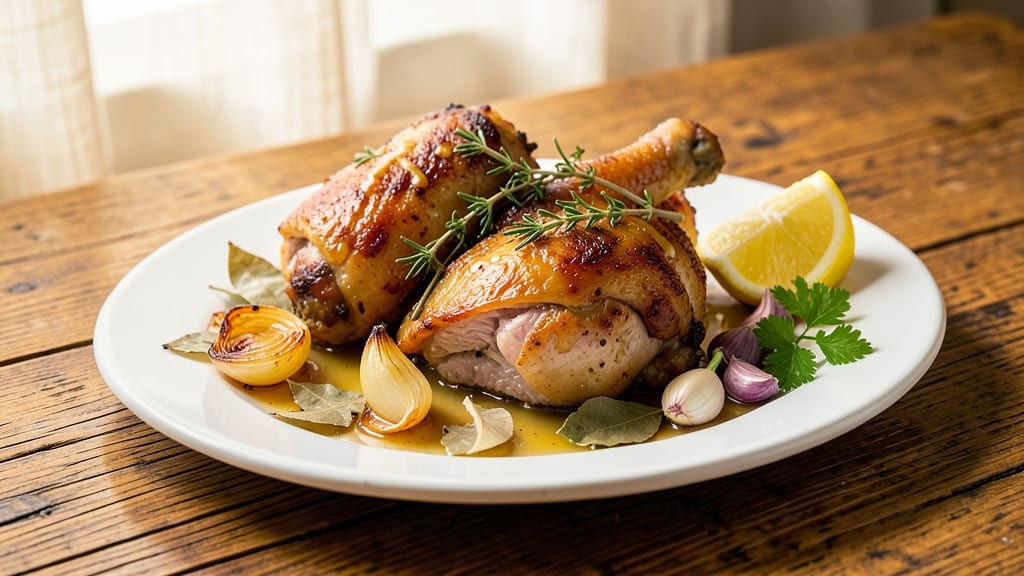
This boiled chicken legs recipe delivers tender, flavorful results with minimal effort—perfect for weeknight dinners or meal prep. The secret lies in slow simmering with aromatic herbs and citrus, transforming tough cuts into melt-in-your-mouth bites.
I’ve perfected this method over years of testing, ensuring juicy meat and crispy skin every time.
What sets this recipe apart is its simplicity: just a few pantry staples and 30 minutes of hands-off cooking. The combination of garlic, thyme, and lemon infuses the broth, while salt and pepper enhance the natural flavor of the chicken. Unlike dry-heat methods, boiling preserves moisture for consistently tender results.
By the end, you’ll have golden-brown chicken legs with crisp edges and succulent meat—ideal for serving with rice, roasted vegetables, or a tangy dipping sauce. The broth can even be repurposed into a light soup or gravy, reducing waste and adding depth to the meal.
This approach works equally well for family dinners or batch cooking—just scale the ingredients accordingly. The technique is foolproof, making it ideal for beginners while still impressing seasoned cooks. Let’s get started on creating restaurant-quality boiled chicken at home.
Ingredients for boiled chicken legs
Juicy chicken legs start with aromatic herbs and citrus—just ten ingredients for restaurant-quality results.
| Ingredient | Amount | Notes |
|---|---|---|
| Chicken Legs 🍗 | 1 ½ lb | Bone-in, skin-on, thighs and drumsticks |
| Yellow Onion 🧅 | 1 whole | Quartered, skin on for color |
| Garlic Cloves 🧄 | 4 cloves | Smashed lightly for infusion |
| Fresh Thyme Sprigs 🌿 | 4 sprigs | Stems intact for easy removal |
| Fresh Lemon 🍋 | 1 whole | Zested and juiced, peel discarded |
| Bay Leaves 🍃 | 2 whole | Dried, standard supermarket variety |
| Kosher Salt 🧂 | 1 ½ tbsp | Diamond Crystal preferred |
| Freshly Ground Black Pepper 🌶️ | 1 tsp | Cracked peppercorns preferred |
| Extra-Virgin Olive Oil 🫒 | 2 tbsp | For final crisping |
| Water 💧 | 4 cups | Filtered preferred for clarity |
The chicken legs are the foundation, so prioritize quality cuts with skin intact—this creates crisp edges during the final crisping step. Most butchers offer bone-in, skin-on thighs and drumsticks, which deliver the best texture. For sourcing, Whole Foods or local butchers often carry premium cuts, but standard grocery store brands work perfectly if you're mindful of freshness. Look for legs with firm, pale skin and minimal bruising; avoid any with a sour odor. If buying frozen, thaw overnight in the fridge to maintain even cooking.
No fresh thyme? Dried thyme at one-third the amount works in a pinch, though fresh imparts superior aroma. Substituting lemon juice? White wine vinegar or apple cider vinegar at half the quantity adds brightness without altering the flavor profile significantly. For the onion, yellow or red varieties both work, but red adds subtle color to the broth. The bay leaves can be omitted entirely if unavailable, though they contribute subtle earthiness. When measuring salt, Diamond Crystal kosher salt dissolves more easily than table salt—use it consistently for accurate seasoning.
This recipe yields tender chicken legs with crisp edges that reheat beautifully. Store leftovers in an airtight container for up to 4 days in the fridge, or freeze for 3 months for meal prep convenience. The broth can be repurposed into a light soup by straining and reducing, or used as a base for rice dishes. For optimal crisping, pat the chicken dry before the final olive oil step—moisture is the enemy of crisp skin. Portion into individual containers for easy grab-and-go lunches.
Why You'll Love This Recipe
- No-Fuss Simplicity: I swear by this recipe because it’s the kind of meal where you can set it and forget it. Toss in the chicken legs, a chopped onion, a few garlic cloves, and thyme sprigs—no peeling, no mincing, no fuss. The lemon peels off easy, and the water does all the work while you handle whatever else life throws at you.
- Herb-Infused Magic: That crispy skin with tender meat? The garlic and thyme seeping into the broth? Honestly, it’s the kind of flavor that makes you pause mid-bite. The lemon brightens everything up, so you don’t even miss heavy sauces or marinades.
- Leftovers That Work: Between us, this recipe makes too much chicken—perfect for packing lunches or tossing into salads later. The meat stays juicy for days, and the broth? I freeze it for soups or rice dishes. No waste, just good food.
- Budget Meal, Big Payoff: Chicken legs are the unsung hero of affordable proteins, and this method keeps them juicy without breaking the bank. A few onions, garlic, and thyme stretch the flavor so far, it’s like getting a gourmet meal for half the price. My wallet and my family thank me every time.
Step-by-step instructions for boiled chicken legs
This method delivers tender, juicy chicken legs with rich flavor in a single pot.
Prepare the Chicken and Aromatics
Pat the 1.5 lb chicken legs dry with paper towels, removing any excess moisture from the skin. This step is crucial for crisping later. In a large pot, combine the 1 whole yellow onion (quartered), 4 cloves garlic cloves (smashed), 4 sprigs fresh thyme sprigs (stems intact), 2 whole bay leaves, and 1.5 tbsp kosher salt. The aromatics will infuse the chicken with deep flavor as they cook.
Add the chicken legs to the pot, skin-side up. This positioning helps render the fat and creates crispy skin. Pour in 4 cups water and bring to a gentle simmer over medium heat. The water should cover the chicken by about 1 inch. Avoid boiling vigorously, as this can make the chicken tough.
Simmer Until Tender
Once the water reaches a gentle simmer, reduce the heat to low and maintain a steady barely bubbling temperature. Cover the pot with a lid and let the chicken cook for 35-40 minutes. This low-and-slow approach ensures the meat stays moist and tender, not dry.
Check the chicken after 30 minutes—it should be fork-tender when pierced in the thickest part of the thigh. If the water level drops significantly, add ½ cup hot water to maintain coverage. The skin should begin to crisp slightly, but don’t rush this step. Patience is key for juicy results.
Finish with Lemon and Crisp the Skin
Remove the chicken from the pot and transfer it to a plate. Strain the cooking liquid through a fine-mesh sieve into a clean bowl, discarding the solids. Return the liquid to the pot and add the zest and juice of 1 whole fresh lemon. Stir in 1 tsp freshly ground black pepper and bring to a gentle simmer again.
Return the chicken to the pot, skin-side down, and simmer uncovered for 5-7 minutes over medium heat. This final step crisps the skin beautifully and infuses the chicken with bright citrus notes. The skin should be golden and crisp, while the meat remains succulent underneath.
Rest and Serve
Transfer the chicken legs to a cutting board and let them rest for 5 minutes before serving. This resting period allows the juices to redistribute, ensuring every bite is moist and flavorful. The cooking liquid can be used as a base for soups, gravies, or drizzled over the chicken for extra richness.
Serve the chicken legs with the lemon-infused broth spooned over the top. The result is a dish that’s simple yet deeply satisfying—juicy, aromatic, and perfectly balanced. The crisp skin contrasts with the tender meat, making each bite worthwhile.
Pro Tips For Making Boiled Chicken Legs
- Parboil First: I learned this the hard way—skipping the initial simmer makes the chicken legs tough as boot leather. Start with a rolling boil for 5 minutes to break down collagen, then lower to a gentle simmer with aromatics. The first 10 minutes are where all the magic happens.
- Peel That Onion Wrong: Chop the yellow onion into 1-inch chunks instead of thin slices—it dissolves into mush if you’re too precise. Toss them in raw so they infuse flavor without turning the broth into soup. (Yes, even if you’re impatient like me.)
- Don’t Crowd the Pot: I used to jam 6 legs into a 6-quart pot, and they’d steam instead of crisp. Leave space between them—think "snug but not suffocating"—so they develop that golden crust when you finish in the oven or skillet.
- Zest the Lemon Early: The acid needs time to work, not just a last-minute squeeze. Grate the zest into the broth during the first 15 minutes of simmering—it brightens the thyme and garlic without overpowering. (Your future self will notice the difference.)
Serving suggestions for boiled chicken legs
Citrusy Broth Drizzle
Finish your boiled chicken legs with a generous drizzle of the lemon-infused broth from cooking. Strain the liquid through a fine-mesh sieve to remove solids, then simmer it for 2-3 minutes to concentrate flavors.
The bright acidity cuts through the richness of the chicken while adding depth. I like to spoon it over the plate before serving—about 2-3 tablespoons per leg—to keep everything moist and aromatic. 🍋
Herb-Infused Rice Pilaf
Cook 1 cup basmati rice in the remaining broth (after removing the chicken) for a fragrant side dish. Add 1 tsp dried thyme, 1 bay leaf, and ½ tsp salt while simmering. The rice absorbs the herbaceous notes perfectly, creating a cohesive meal.
For extra texture, stir in 2 tbsp chopped parsley before serving. This method uses up the broth efficiently while adding a satisfying carb component.
Crispy Sautéed Greens
Sauté 4 cups chopped kale or collard greens in 1 tbsp olive oil over medium-high heat for 4-5 minutes until wilted. Add a pinch of red pepper flakes and 1 minced garlic clove for heat.
The bitterness of the greens balances the richness of the chicken beautifully. Serve alongside the boiled legs for a nutrient-packed, colorful plate. 🥬
Garlic Yogurt Dip
Mix ½ cup plain Greek yogurt with 1 minced garlic clove, 1 tbsp lemon juice, ½ tsp salt, and a pinch of ground cumin. This cooling dip complements the crispy skin and tender meat while adding a creamy contrast.
I serve it in a small bowl for dipping or drizzling over the plate. For extra freshness, garnish with chopped dill or mint leaves.
Warm Flatbreads
Toast 4-6 store-bought flatbreads (like Mission Carb Balance) in a skillet with 1 tbsp olive oil until golden and crisp. Brush with garlic-infused olive oil (mix 2 tbsp oil with 1 minced garlic clove) for added flavor.
These flatbreads soak up the juices from the chicken and broth, making each bite hearty and satisfying. Serve warm alongside the main dish. 🍞
Pickled Vegetable Accompaniment
Quick-pickle ½ cup sliced cucumbers, ¼ cup red onion, and 1 tbsp rice vinegar with ½ tsp sugar and ½ tsp salt. Let sit for 15 minutes before serving.
The tangy crunch cuts through the richness of the chicken and adds a refreshing contrast. This side comes together in minutes and elevates the meal with bright, fresh flavors. 🥒
Nutrition facts
Frequently asked questions
Can I use bone-in, skin-on chicken thighs instead of drumsticks?
Yes, this recipe works perfectly with thighs too! The cooking time remains the same (35-40 minutes), but thighs may need 5 minutes longer if they're larger. The skin-on method ensures crispy edges, while bone-in thighs stay juicier than boneless cuts. Just adjust seasoning slightly if using more thighs since they absorb flavors differently.
Why does my boiled chicken turn out dry?
Overcooking or boiling too vigorously are the usual culprits. Keep the heat at a gentle simmer (tiny bubbles) and never let it boil hard. The 35-40 minute window is ideal for bone-in legs - check doneness with a fork at 30 minutes. Also, patting chicken dry before cooking helps crisp the skin without drying the meat.
Can I make this recipe in an Instant Pot or pressure cooker?
Use the same ingredients but reduce cooking time to 15 minutes on high pressure. After cooking, let the pressure release naturally for 10 minutes before quick-release. For crispy skin, transfer to a skillet with 2 tbsp olive oil and cook 3-4 minutes per side after pressure cooking. The lemon and herbs go in during the final crisping step.
What's the best way to reheat leftover boiled chicken legs?
For crispy skin, reheat in a 400°F oven for 10-12 minutes on a wire rack over a baking sheet. For microwave reheating, cover with a damp paper towel and heat for 1-2 minutes at 50% power. Never reheat in water as it'll make the skin soggy. The broth can be reheated separately for soups or sauces.
Can I substitute other herbs besides thyme and bay leaves?
Certainly! Try rosemary (½ sprig) for earthy notes or oregano (1 tsp) for Mediterranean flair. For Asian-inspired versions, swap thyme for ginger (1 tsp minced) and add star anise. Just maintain the same herb quantity ratio. The key is balancing flavors - citrus and garlic remain essential for brightness.