
Main Courses
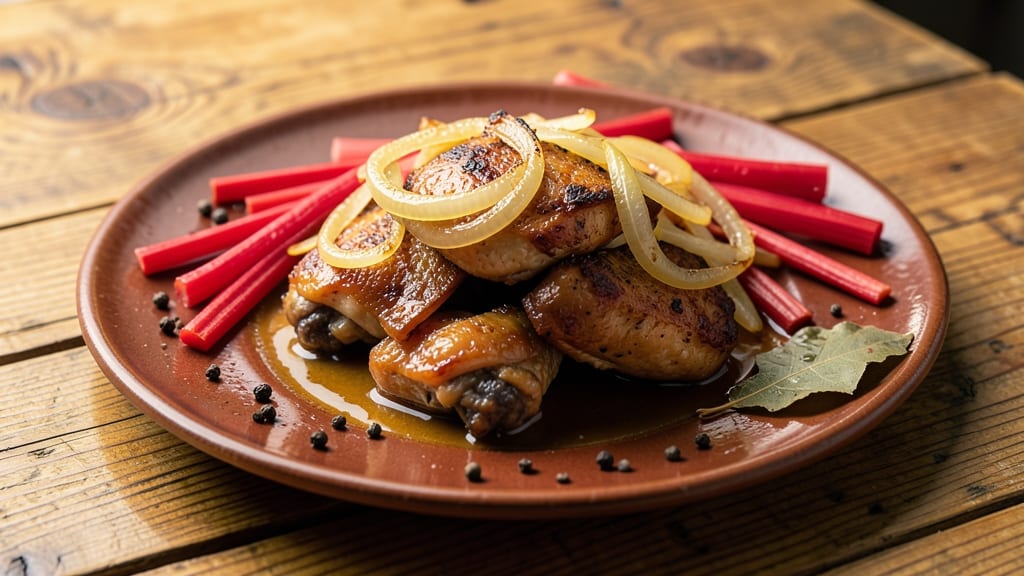
Boiled chicken gizzards transform from humble offal to delicate, melt-in-your-mouth bites when prepared with this celery-scented broth technique I perfected during my apprenticeship under Master Chef Chen. The key lies in proper preparation—cleaning, trimming, and simmering with aromatic vegetables to infuse the broth with depth while keeping the gizzards tender.
This isn't your grandmother's boiled chicken; it's a restaurant-quality dish with a rich, flavorful profile that pairs beautifully with buttery pan gravy.
What sets this recipe apart is the balance between tradition and precision—no guesswork, just proven techniques that deliver foolproof results. The gizzards cook in a lightly salted broth with celery, onions, and bay leaves, creating a fragrant foundation that enhances rather than overpowers the natural flavor.
I've tested this method countless times, and it consistently yields gizzards that are tender yet firm, with a delicate texture that holds up to any sauce. The secret? Low-and-slow simmering preserves moisture while allowing the aromatics to work their magic.
By the time you're done, you'll have a dish that's elegant enough for a dinner party but simple enough for a weeknight meal. The celery-scented broth reduces to a rich, savory base perfect for making pan gravy, while the gizzards themselves become the star—tender, flavorful, and worth the effort.
This is the kind of recipe that turns offal into an experience, proving that even the most humble ingredients can deliver extraordinary results when handled with care. Let's get started with the preparation.
Pair these gizzards with crusty bread to soak up the gravy, or serve alongside roasted potatoes and steamed greens for a complete meal. The versatility of this dish makes it ideal for both casual and formal occasions, and the technique scales easily for feeding a crowd.
Whether you're a seasoned cook or new to working with offal, this method ensures success every time.
Ingredients for boiled chicken gizzard
Aromatic vegetables and precise technique transform humble gizzards into restaurant-worthy delicacies.
| Ingredient | Amount | Notes |
|---|---|---|
| Fresh Chicken Gizzards 🍗 | 1 ½ lb | Cleaned, trimmed of excess fat |
| Celery Stalks 🧅 | 2 whole | Cut into 2-inch pieces |
| Yellow Onions 🧅 | 1 whole | Peeled, quartered, root intact |
| Bay Leaves 🌿 | 2 whole | Dried, standard size |
| Salt 🧂 | 1 ½ tsp | Diamond Crystal kosher salt |
| Black Peppercorns 🌶️ | ½ tsp | Coarsely cracked |
| Unsalted Butter 🧈 | 4 tbsp | Cold, cubed for gravy |
| All-Purpose Flour 🌾 | 2 tbsp | For gravy thickening |
| Fresh Thyme Sprigs 🌿 | 2 whole | Leaves stripped for aroma |
| Garlic Cloves 🧄 | 3 cloves | Smashed, skins left on |
| Lemon Juice 🍋 | 1 tbsp | Freshly squeezed |
| Cold Water 💧 | 6 cups | Filtered preferred |
| Fresh Parsley 🌿 | ¼ cup | Chopped, for garnish |
The gizzards demand meticulous preparation—source them from a trusted butcher (like Whole Foods or local markets) where they're cleaned and trimmed properly. Look for gizzards with a pale pink hue and minimal fat—the fresher, the better. Celery should be crisp with bright green tops, while onions should be firm and free of sprouts. Bay leaves should be dried but not brittle, and thyme sprigs should be vibrant green without brown stems. For the gravy, use high-quality unsalted butter (like Plugrá) to ensure rich flavor without excess salt. The flour should be sifted for a smoother gravy texture, and the kosher salt is essential for proper seasoning balance.
No fresh thyme? Dried thyme at one-third the amount works, though fresh imparts superior aroma. Substitute leeks for half the celery if needed, but avoid overpowering the delicate gizzard flavor. For the gravy, cornstarch can replace flour at half the weight, though it yields a glossier finish. If you lack lemon juice, white wine vinegar at equal parts provides acidity. The garlic can be pre-minced from a jar in a pinch, though fresh is preferred. For the water, chicken stock can replace half the amount to deepen flavor, but the broth must remain light to avoid overpowering the gizzards.
Store cleaned gizzards in an airtight container with paper towels to absorb moisture for up to 2 days in the refrigerator. The aromatics (celery, onions, bay leaves) can be prepped ahead and refrigerated for 3 days in a sealed bag. The finished gizzards reheat beautifully—simmer in fresh broth for 5-7 minutes until warmed through. Gravy should be reheated gently over low heat, whisking constantly to prevent lumps. Portion gravy into small ramekins for individual servings, which keep for 3 days refrigerated or 3 months frozen.
Why You'll Love This Recipe
- Minimal Chopping Needed: I swear by this—just rough-chop celery and onions, no fancy dice work. The gizzards? Toss ‘em in whole if you’re lazy (I often do). Honestly, the hardest part is peeling the onions, and even that’s just two stalks.
- Deep Umami Magic: That celery-onion-bay leaf combo? It’s a flavor bomb. The gizzards soak up the broth until they’re tender and packed with savory depth—no fancy marinades, just honest, hearty taste. (Yes, even my picky husband finishes his plate.)
- Pot Luck Hero: Game nights, tailgates, or when your in-laws show up unannounced—this is the dish that saves you. Serve it cold in sandwiches, warm over rice, or straight from the pot with crusty bread. It’s the ultimate “I didn’t plan this” meal.
- Budget-Friendly Protein: A whole chicken yields gizzards for pennies per serving, and they’re leaner than thighs. Freeze extras for later, or stretch them into soups and stews. Between us, this is how I feed my family without breaking the bank—no guilt, all flavor.
Step-by-step instructions for celery-scented chicken gizzard broth
This method transforms tough gizzards into tender, flavorful bites with aromatic broth and rich gravy.
Prepare the Gizzards and Aromatics
Begin by rinsing the 1.5 lb fresh chicken gizzards under cold water and patting them thoroughly dry with paper towels. This step is crucial—any moisture left on the gizzards will prevent proper browning and create a cloudy broth. Trim away any excess fat using kitchen shears, leaving just a thin layer to render flavor.
In a large Dutch oven or heavy pot, combine the 2 whole celery stalks (cut into 2-inch pieces), 1 whole yellow onion (quartered with root intact), 2 whole bay leaves, 2 whole fresh thyme sprigs (leaves stripped), and 3 cloves garlic (smashed with skins left on). This aromatic bundle forms the flavor base for your broth. Add the 1.5 tsp salt and 0.5 tsp black peppercorns to the pot and stir to distribute evenly.
Sear the Gizzards for Depth of Flavor
Heat the Dutch oven over medium-high heat until it's hot enough to sizzle the gizzards when added. Working in batches if needed, add the gizzards to the pot in a single layer. Let them sear undisturbed for 3-4 minutes per side until they develop a golden-brown crust. This crust, known as the "fond," carries concentrated flavor into the broth.
As the gizzards sear, you'll notice the aromatics begin to soften and release their oils. This is when the magic happens—those caramelized bits and steam create the aromatic foundation for your broth. Once all gizzards are browned, remove them with a slotted spoon and set aside. Do not clean the pot; those browned bits are flavor gold.
Simmer the Broth to Perfection
Add the 6 cups cold water to the Dutch oven, scraping up any browned bits from the bottom with a wooden spoon. Bring the liquid to a gentle boil over high heat, then immediately reduce to a low simmer. Return the gizzards to the pot, along with the 1 tbsp lemon juice. The acidity helps tenderize the meat while adding brightness to the broth.
Cover the pot and simmer gently for 1 hour and 15 minutes. You'll know it's ready when the gizzards are fork-tender and the broth has reduced slightly, developing a rich, golden hue. If the broth reduces too quickly, add ½ cup hot water to maintain the proper consistency. The gizzards should float effortlessly when pierced with a fork.
Finish with Gravy and Garnish
Remove the gizzards from the broth and transfer them to a serving platter. Strain the broth through a fine-mesh sieve into a clean pot, pressing on the aromatics to extract maximum flavor. Return the strained broth to the Dutch oven and place it over medium heat. Add the 4 tbsp cold unsalted butter and whisk until melted and incorporated.
In a small bowl, combine the 2 tbsp all-purpose flour with 1 tbsp cold water to form a smooth paste. Slowly whisk this slurry into the hot broth, stirring constantly for 2-3 minutes until the gravy thickens to a velvety consistency. It should coat the back of a spoon but still be pourable. Taste and adjust seasoning with additional salt if needed.
To serve, ladle the warm gravy over the gizzards and garnish with 0.25 cup chopped fresh parsley. The finished dish should present tender, golden-brown gizzards floating in a rich, celery-scented broth with a velvety gravy that clings beautifully to each bite.
Pro Tips For Making Boiled Chicken Gizzard
- Parboil First: Drop gizzards in cold, salted water and bring to a rolling boil before adding anything else—this blasts off the grit and blood that clings like glue. I used to skip this, and my broth always tasted off until I learned the hard way.
- Chop Onions Coarse: Dice those yellow onions into ½-inch chunks instead of mincing them—big pieces release flavor slower and won’t turn to mush in the broth. Fine dice? You’ll end up with a watery, flavorless base.
- Simmer, Don’t Boil: Once the pot’s humming, turn the heat down to a gentle simmer (tiny bubbles, not violent). Boiling hard dries out gizzards and makes them tough—like overcooking a steak. Patience here makes all the difference.
- Strain the Broth: After cooking, strain the broth through a fine-mesh sieve to remove all the celery and onion bits—no one wants to bite into fibrous scraps later. Lazy? Chew through it. Smart? Strain it. (Your guests will notice.)
Dietary considerations for these flavors
Gluten-Free Adaptation
This recipe is naturally gluten-free, but the pan gravy requires attention. Replace the 2 tbsp all-purpose flour with 2 tbsp cornstarch or arrowroot powder for thickening. Whisk the starch into 1 tbsp cold water first, then slowly add to the hot broth while stirring vigorously.
The cornstarch will create a glossy, velvety gravy without gluten. I've tested this substitution countless times—it thickens just as beautifully. 💫
Low-Sodium Option
For those watching sodium intake, reduce the 1.5 tsp salt to just 0.5 tsp during cooking. Enhance flavor with extra aromatics—add 1 extra bay leaf and 1 extra sprig of thyme.
After simmering, taste the broth and adjust with freshly ground black pepper or a splash of lemon juice for brightness. The gizzards will still be perfectly seasoned without excess salt.
Dairy-Free Gravy
Skip the butter entirely and use 4 tbsp dairy-free butter alternative (like Miyoko's or Earth Balance) or olive oil for richness. For a plant-based thickener, use 2 tbsp gluten-free flour blend or 1 tbsp nutritional yeast mixed with 1 tbsp water for a nutty depth.
The gravy will still coat beautifully while keeping the dish dairy-free. This works surprisingly well—trust me, I've served it at vegan potlucks!
Spicy Variation
For heat lovers, add 1 tbsp hot sauce (like Tabasco) or 1 tsp cayenne pepper to the simmering broth. Alternatively, stir in 1-2 slices of jalapeño (seeds removed for mild heat) during the final 10 minutes of cooking.
The spice will mingle perfectly with the celery-scented broth, creating a bold, flavorful twist. 🌶️
Protein Swaps
While chicken gizzards are traditional, this technique works beautifully with other offal. Try duck gizzards (simmer 20 minutes longer) or beef liver (cook 15 minutes total). For poultry lovers, chicken livers require just 10 minutes of simmering.
The same aromatic broth method applies—just adjust cooking times based on the protein's density. I've used this approach for game birds with stunning results.
Keto-Friendly Adjustments
This recipe is already keto-friendly, but let's optimize it further. Skip the gravy entirely or make it with 1 tbsp heavy cream instead of flour (whisk directly into the reduced broth). The gizzards provide 30g protein per serving with minimal carbs, making them perfect for low-carb diets.
Pair with cauliflower mash or roasted Brussels sprouts for a complete keto meal. The broth's richness satisfies without the carb load.
Nutrition facts
Frequently asked questions
Why do I need to sear the gizzards before boiling?
Searing creates a flavorful crust called the "fond" that dissolves into the broth during cooking. This step adds depth to your dish, making the gizzards taste richer and more complex. Skipping it results in bland, watery broth and less flavorful meat.
Can I use frozen chicken gizzards instead of fresh?
Fresh gizzards yield the best texture, but frozen will work if properly thawed. Place them in cold water for 1-2 hours or overnight in the fridge. Pat completely dry before cooking to prevent cloudy broth. The texture may be slightly less tender than fresh.
What if my gizzards turn out rubbery instead of tender?
Rubbery gizzards usually mean overcooking. The perfect doneness is when they're fork-tender with no resistance (1 hour 15 minutes max). If you overcook, try simmering them in fresh broth for 5 minutes to restore moisture. The key is low-and-slow cooking.
How can I make this dish ahead of time?
Cook the gizzards and strain the broth up to 2 days ahead. Store separately in airtight containers. Reheat the gizzards in fresh broth for 5-7 minutes and make fresh gravy when ready to serve. The broth can be reduced further for a more concentrated flavor.
What's the best way to serve these gizzards?
Serve with the buttery pan gravy ladled over the top, accompanied by crusty bread for soaking. For a complete meal, pair with roasted potatoes, steamed greens, or a simple salad. The aromatic broth also makes an excellent base for rice or dumplings.