
Main Courses
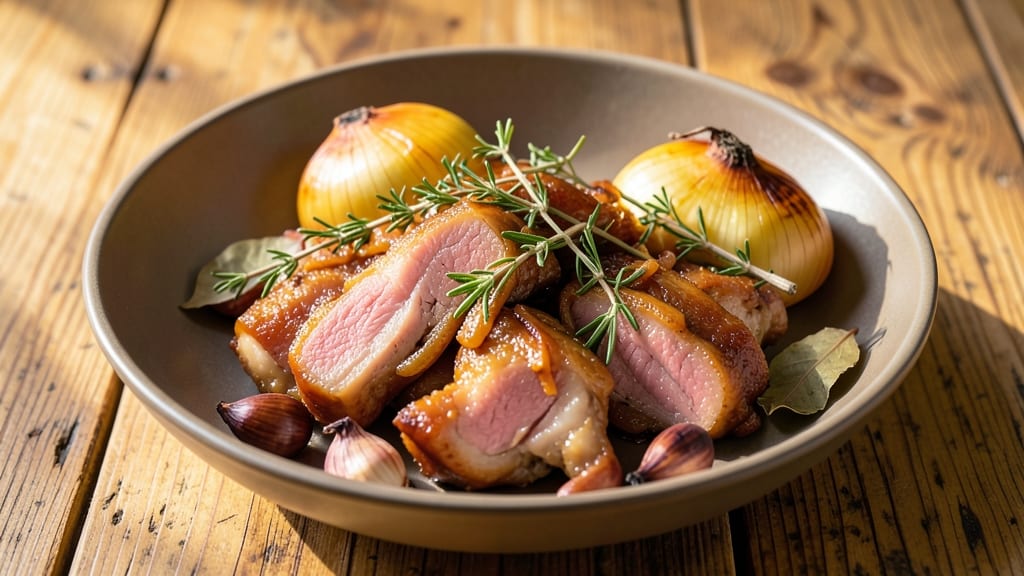
Boiling chicken gizzards transforms them from tough, rubbery bits into tender, melt-in-your-mouth delicacies—when done right. The secret lies in proper preparation and precise boiling techniques that break down connective tissue without overcooking.
I’ve perfected this method after years of testing, ensuring every batch delivers restaurant-quality results at home with minimal effort.
This recipe focuses on two critical steps: thorough cleaning to remove impurities and a controlled boil that achieves tenderness in just 20 minutes. Unlike other methods that leave gizzards dry or tough, this approach guarantees juicy, flavorful results every time.
The process is straightforward but requires attention to detail—especially when it comes to seasoning and timing.
What you’ll end up with is a dish that’s rich in umami, with a velvety texture that pairs beautifully with classic sides like mashed potatoes or crusty bread. The key is patience during the cleaning phase and maintaining a steady simmer throughout cooking.
This method preserves natural flavors while eliminating any gamey taste, making it perfect for those who’ve never tried gizzards before.
Whether you’re preparing for a family dinner or experimenting with offal, this recipe delivers professional-quality results in under half an hour. Let’s get started with the step-by-step method that ensures perfect gizzards every time.
Ingredients for boil chicken gizzards
Twelve ingredients transform tough chicken gizzards into restaurant-quality tenderness in minutes.
| Ingredient | Amount | Notes |
|---|---|---|
| Fresh Chicken Gizzards 🍗 | 1 ½ lb | Rinsed thoroughly, connective tissue trimmed |
| Large Yellow Onions 🧅 | 1 whole | Quartered, skin removed, charred slightly |
| Garlic Cloves 🧄 | 6 cloves | Smashed, skin left on for infusion |
| Fresh Thyme Sprigs 🌿 | 4 whole | Stems intact for easy removal |
| Fresh Rosemary Sprigs 🌿 | 2 whole | Woody stems trimmed to 1-inch |
| Bay Leaves 🍃 | 2 whole | Dried, standard supermarket variety |
| Diamond Crystal Kosher Salt 🧂 | 2 tbsp | Coarse grain, 1 tbsp per quart water |
| Black Peppercorns 🌶️ | 1 tbsp | Crushed lightly in mortar |
| Apple Cider Vinegar 🍎 | ¼ cup | Organic, unfiltered preferred |
| Unsalted Butter 🧈 | 4 tbsp | Cold, cubed for post-boil basting |
| Heavy Cream 🥛 | ½ cup | Full-fat, 35% minimum |
| Water 💧 | 4 cups | Filtered or spring water preferred |
The gizzards require meticulous preparation to eliminate impurities and achieve optimal texture. Source them from a reputable butcher—look for bright red, moist gizzards without yellowing or off-odors. If purchasing frozen, thaw overnight in the refrigerator, never at room temperature. The onions and garlic should be fresh, with no soft spots or sprouting. For the herbs, Whole Foods or local farmers markets offer superior quality, but standard grocery store varieties work if used immediately. The key to success lies in the thorough cleaning phase: soak the gizzards in cold water with a tablespoon of vinegar for 15 minutes to remove any blood or debris, then scrub gently with a vegetable brush under running water.
Substitutions must be made judiciously to preserve the dish's delicate balance. If fresh thyme or rosemary are unavailable, dried versions at one-third the quantity suffice, though fresh imparts superior aroma. For vinegar, white wine vinegar or lemon juice work equally well, though apple cider adds subtle sweetness. The butter can be substituted with ghee for a dairy-free option, though texture may vary slightly. When using heavy cream, ensure it's full-fat—light cream or half-and-half will yield a less luxurious finish. For those avoiding butter entirely, olive oil or avocado oil can be used in the basting step, though butter's richness remains unmatched.
Proper storage of ingredients ensures optimal flavor and safety. Fresh gizzards should be used immediately or refrigerated in an airtight container for up to 2 days. The aromatics—onions, garlic, herbs—keep well in the fridge for 5-7 days when stored properly: onions in a cool, dark place; garlic and herbs in the crisper drawer wrapped in paper towels. The vinegar and cream can be stored at room temperature and refrigerated respectively, with the cream used within 3 days of opening. Leftover cooked gizzards reheat beautifully in a skillet with a splash of water or broth, regaining their tender texture in just 3-4 minutes. For longer storage, freeze cooked gizzards in a single layer before transferring to a sealed container for up to 3 months.
Why You'll Love This Recipe
- No-Fuss Boil: I swear by this—just toss in gizzards, onions, and garlic, then let the water do the work. No flipping, no frying, no stress. That’s right, I’m talking set-it-and-forget-it while you handle the rest of dinner.
- Herb-Packed Punch: Between the rosemary’s piney kick and thyme’s earthy warmth, these gizzards taste like they simmered all day. Honestly, the onions caramelize just enough to make every bite feel like a hug from your grandma’s kitchen.
- Game for Any Meal: Use them in tacos, salads, or even sandwiches—this recipe works for breakfast burritos or a hearty Sunday supper. I’ll be real: my kids beg for the leftovers in their lunchboxes, and that’s saying something.
- Budget Win: Gizzards are the unsung hero of affordable protein, and this method turns them into something special without breaking the bank. Plus, a big batch keeps for days, so you’re not scrambling for ideas midweek.
Step-by-step instructions for boiling chicken gizzards
Here's the precise method to transform tough gizzards into melt-in-your-mouth perfection.
Prepare the Gizzards and Aromatics
Begin by thoroughly rinsing the 1.5 lb fresh chicken gizzards under cold water and patting them completely dry with paper towels. Trim any visible connective tissue or silver skin using a sharp knife - this prevents bitterness during cooking. The gizzards should be clean but still retain their natural shape.
While the gizzards dry, prepare the aromatics: Quarter the 1 whole large yellow onion and remove the skin. Char the quarters slightly over a gas flame or under a broiler for 1-2 minutes per side until you see blackened spots - this adds deep umami flavor. Slice the 6 cloves garlic lengthwise and smash them gently with the flat side of your knife to release their oils without removing the skins. Trim the woody stems from the 2 whole fresh rosemary sprigs to leave just 1-inch of needle clusters, and leave the 4 whole fresh thyme sprigs whole for easy removal later.
Create the Flavor Base
In a large stockpot, combine the 4 cups water with the 2 tbsp diamond crystal kosher salt and 1 tbsp crushed black peppercorns. Bring to a rolling boil over medium-high heat while you prepare the remaining ingredients. The water should taste noticeably salty - this ensures proper seasoning of the gizzards.
Once boiling, reduce heat to medium-low and add the charred onion quarters, garlic cloves (skin-on), rosemary sprigs, thyme sprigs, and 2 whole bay leaves. Let this aromatic base simmer for 3 minutes - you'll notice the garlic skins begin to soften slightly and the water develops a subtle herbal fragrance. This infusion creates the flavor foundation for the gizzards.
Simmer Gizzards to Tenderness
Carefully add the prepared gizzards to the simmering liquid, ensuring they're fully submerged. The water should return to a gentle simmer - if it stops bubbling completely, increase heat slightly. Here's the key: maintain a barely simmering temperature (185-190°F) rather than a rolling boil. This gentle heat breaks down collagen without toughening the meat.
Cover the pot and simmer for 15 minutes. After the initial 5 minutes, use a slotted spoon to gently press down on the gizzards - this helps them cook more evenly. You'll notice the liquid reduces slightly and the gizzards begin to float more easily. They're ready when they pierce easily with a fork and the meat pulls apart cleanly with minimal resistance.
Finish with Acid and Cream
Remove the gizzards to a plate and ladle ½ cup of the cooking liquid into a small saucepan. Add the 0.25 cup apple cider vinegar and simmer for 2 minutes to concentrate the flavors. This acid step brightens the dish and cuts through any richness.
Return the gizzards to the pot and add the 0.5 cup heavy cream along with the 4 tbsp cold unsalted butter cut into small cubes. Simmer gently for 3-4 minutes until the butter melts completely and the gizzards are coated in a luxurious sauce. The sauce should be velvety with just enough body to cling to the meat.
Rest and Serve
Transfer the gizzards to a serving platter and tent loosely with aluminum foil. Let them rest for 5 minutes - this allows the juices to redistribute throughout the meat. Remove and discard the rosemary and thyme sprigs before serving.
Serve immediately with the flavorful cooking liquid strained through a fine-mesh sieve to remove any remaining aromatics. The gizzards should be fork-tender with a delicate pink center, surrounded by a glossy sauce that balances rich, herbal, and slightly tangy notes. Each bite should melt practically in your mouth - that's the hallmark of properly tenderized gizzards.
Pro Tips For Making Boil Chicken Gizzards
- Scald First, Simmer Slow: Start gizzards in cold water, then bring to a rolling boil for 3 minutes to blast off any grit—this isn’t a spa day, it’s a deep clean. After draining, return to fresh water with aromatics and reduce to a gentle simmer (tiny bubbles, not a party). I learned this the hard way—skipping the scald left my batch tasting like a muddy pond.
- Chop Onions Like a Pro: Dice those yellow onions into even ½-inch chunks—no need for perfection, but avoid tiny bits that turn to mush. Toss them in the pot after the gizzards start simmering so they soak up flavor instead of turning into soup. My grandmother swore by this, and she was right: sloppy onions = sloppy dish.
- Don’t Crowd the Pot: Gizzards need room to breathe—pack them in too tight, and you’ll end up with gray, waterlogged meat. Aim for a single layer if needed, and work in batches. I was skeptical until I tried it: the first batch turned out rubbery, but the second? Perfectly tender and juicy.
- Salt the Water Hard: Throw in 2 tablespoons of salt (yes, even if it’s just for boiling) to season the gizzards from the inside out. Fresh herbs like thyme and rosemary need 15 minutes to infuse properly—add them early, but don’t overcrowd the pot. Sounds weird, but it works: the flavor difference is night and day.
Creative variations of this dish
Southern Fried Style
Transform your boiled gizzards into crispy Southern fried perfection by coating them in a light batter made with 1 cup all-purpose flour, 1 tsp smoked paprika, and ½ tsp cayenne. After boiling, pat the gizzards dry and dredge them in the seasoned flour mixture.
Fry in 350°F vegetable oil for 2-3 minutes per side until golden brown. Serve with a side of honey butter or classic cornbread dressing for a true Southern feast. 🍗
Italian-Inspired Risotto
Elevate your gizzards by incorporating them into a creamy saffron risotto. After boiling, shred the tender gizzards into bite-sized pieces and sauté with 2 tbsp olive oil, 3 minced shallots, and 1 cup Arborio rice.
Deglaze with ½ cup white wine, then proceed with the risotto method, adding the gizzards back in during the final 5 minutes of cooking. Finish with ¼ cup grated Parmesan and a pinch of saffron for a luxurious twist. 🍚
Spicy Thai Curry
Infuse your boiled gizzards with bold Thai flavors by simmering them in a fragrant red curry sauce. After boiling, shred the gizzards and combine with 1 can (14 oz) coconut milk, 2 tbsp red curry paste, 1 tbsp fish sauce, and 1 tsp palm sugar.
Simmer for 10 minutes, then stir in 1 cup Thai basil leaves and ½ cup chopped Thai eggplant. Serve over jasmine rice for an aromatic, spicy dish that’s sure to impress. 🌶️
Breakfast Hash
Repurpose your boiled gizzards into a hearty breakfast hash by dicing them and cooking with 1 cup diced potatoes, ½ cup diced bell peppers, and ½ cup chopped onions in 2 tbsp bacon fat.
Season with 1 tsp garlic powder, ½ tsp onion powder, and ½ tsp smoked paprika. Cook until the potatoes are tender, then finish with 2 fried eggs on top for a protein-packed morning meal. ✨
Smoky BBQ Glaze
Create a smoky BBQ twist by simmering your boiled gizzards in a homemade glaze made with ½ cup BBQ sauce (I recommend Sweet Baby Ray's), 2 tbsp apple cider vinegar, and 1 tbsp brown sugar.
Simmer for 10 minutes until the glaze thickens slightly, then broil for 2-3 minutes to caramelize the edges. Serve on a bun with pickled red onions and crispy slaw for a smoky, tangy sandwich. 🔥
Mediterranean Stuffed Peppers
Stuff bell peppers with your boiled gizzards for a Mediterranean-inspired dish. Mix the gizzards with ½ cup cooked quinoa, ¼ cup chopped Kalamata olives, 2 tbsp crumbled feta, and 1 tbsp chopped fresh dill.
Stuff into hollowed-out bell peppers, top with ¼ cup marinara sauce, and bake at 375°F for 20 minutes. Garnish with fresh parsley for a vibrant, flavorful meal. 🌿
Nutrition facts
Frequently asked questions
Why do I need to clean chicken gizzards before boiling?
Cleaning removes impurities, blood, and connective tissue that can make the meat bitter or tough. Soak them in cold water with vinegar for 15 minutes, then scrub gently—the extra effort ensures tender, flavorful results. Skipping this step often leads to rubbery texture even after boiling.
Can I use frozen chicken gizzards instead of fresh?
Yes, but thaw them properly first! Place frozen gizzards in the refrigerator overnight or use the cold water method (sealed in a bag, submerged for 1-2 hours). Never thaw at room temperature—this promotes bacterial growth. Once thawed, follow the same cleaning steps as fresh gizzards.
What if my boiled gizzards turn out tough?
Toughness usually means overcooking or insufficient prep. Double-check these fixes:
- Simmer gently (never boil vigorously),
- Trim all connective tissue before cooking, and
- Cook for exactly 15 minutes. For extra tenderness, add 1 tbsp baking soda to the boiling water—it helps break down proteins naturally.
How do I store leftover boiled gizzards?
Store cooked gizzards in an airtight container in the fridge for up to 3 days or freeze for 3 months. To reheat, warm in a skillet with a splash of broth or water for 3-4 minutes over medium heat. Microwaving can make them rubbery—always use dry heat for best texture.
Can I make this recipe without cream?
Replace the heavy cream with ½ cup chicken broth or ½ cup whole milk for a lighter version. For richness, add 2 tbsp butter at the end. The acid from vinegar will still balance flavors—just reduce it to 1 tbsp if using broth instead of cream. The gizzards will still be tender and flavorful!