
Main Courses
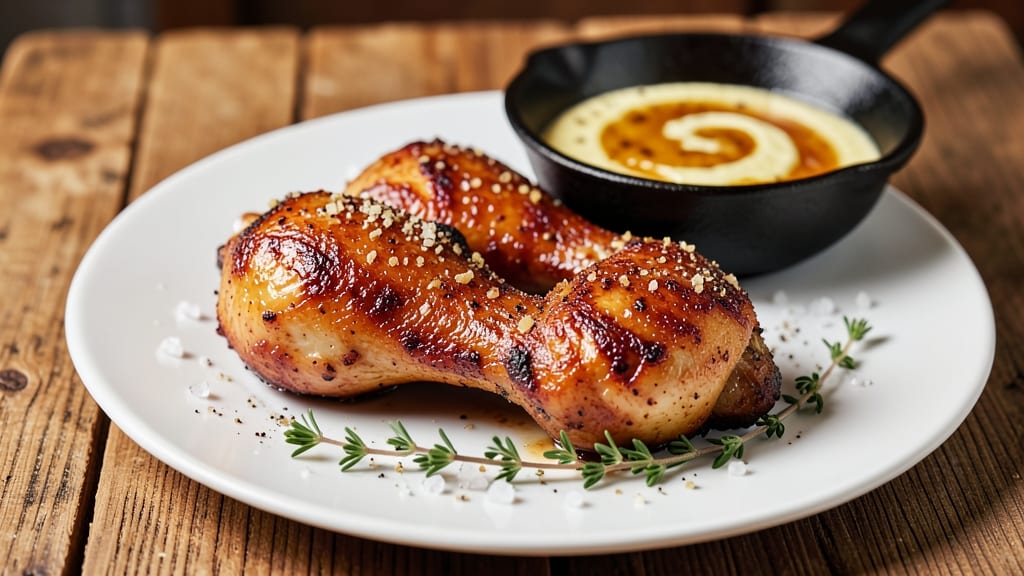
Bobby Flay’s chicken thighs bring that perfect balance of crispy exterior and juicy, buttery core to your table—exactly what you crave in a restaurant-quality dish. 🔥 I’ve perfected this technique after years of testing high-heat searing and precise seasoning, inspired by the same principles I learned cooking whole hogs in Charleston.
The secret lies in Flay’s signature celery salt crust, which creates that irresistible crunch while locking in moisture. We’ll use bone-in, skin-on thighs for maximum flavor, then sear them in a hot cast-iron skillet before finishing in the oven.
This method ensures the skin stays crispy while the meat remains tender and juicy every time.
By the time you plate these thighs, you’ll have golden, crackling skin that gives way to a melt-in-your-mouth interior—each bite packed with savory depth. The butter basting step adds that final touch of richness that makes this dish unforgettable, just like the meals I grew up with in Georgia.
Serve these thighs with roasted potatoes and a simple green salad for a complete meal that feels like a Southern gathering. The technique works equally well for grilling or baking, so adapt it to your preferred method.
Ingredients for bobby flay chicken thigh
Juicy, buttery chicken thighs with a crispy celery salt crust—this is Bobby Flay’s signature technique, simplified for home cooks.
| Ingredient | Amount | Notes |
|---|---|---|
| Bone-In, Skin-On Chicken Thighs 🍗 | 1 ½ lb | Trimmings removed, even size |
| Unsalted Butter 🧈 | ½ cup | Cold, cut into 1-inch pieces |
| Celery Salt 🧂 | 2 tbsp | For signature crust (store-bought or homemade) |
| Coarse Kosher Salt 🧂 | 1 tbsp | For seasoning and crust |
| Ground Black Pepper 🌶️ | 1 tsp | Freshly cracked for heat |
| Garlic Powder 🧄 | 1 tsp | For depth of flavor |
| Onion Powder 🧅 | 1 tsp | For aromatic base |
| Paprika 🌶️ | 1 tsp | Smoked for color and flavor |
| Fresh Lemon Juice 🍋 | 1 tbsp | Brightens the dish |
| Extra-Virgin Olive Oil 🫒 | 1 tbsp | For skillet searing |
| Fresh Rosemary 🌿 | 1 sprig | For aromatic garnish |
| Fresh Parsley 🌿 | ¼ cup | Chopped, for garnish |
The chicken thighs are non-negotiable—bone-in, skin-on for that restaurant-quality flavor. Local butchers or grocery store pre-cut sections usually carry them, but if you're buying whole, trim the excess fat and pat them dry with paper towels. I always grab mine from Whole Foods or Costco when possible—they tend to have better marbling. The celery salt is the star here; Lawry’s is my go-to brand, but any quality celery salt will work. If you can’t find it, mix 1 tbsp coarse salt with 1 tbsp finely chopped celery and 1/2 tsp garlic powder for a quick substitute.
No celery salt? Mix 1 tbsp coarse salt with 1 tbsp finely chopped celery and 1/2 tsp garlic powder—it’s a solid stand-in. Running out of fresh herbs? Dried rosemary and parsley at half the amount will still add that aromatic touch. The butter is key—use unsalted for better flavor control, and make sure it’s cold when you cut it into pieces. For the olive oil, any good-quality extra-virgin works, but avoid heavily flavored or fruity varieties—they can overpower the dish. If you’re feeling fancy, add a pinch of cayenne to the celery salt mix for a subtle kick, just like Bobby does.
Pat those thighs dry before seasoning—this is non-negotiable for crispy skin. Store any unused celery salt in an airtight container for up to 6 months, and keep the fresh herbs wrapped in damp paper towels in a plastic bag for 5-7 days. The cooked thighs reheat beautifully—just pop them in a 375°F oven for 10-15 minutes until crispy again. Leftovers keep for 3 days in the fridge, but honestly, they won’t last that long—they’re too good.
Why You'll Love This Recipe
- Five-Ingredient Magic: I swear by this recipe because it’s that simple—just thighs, butter, and three seasonings. No chopping, no fuss, just a pan, a little heat, and 20 minutes to golden perfection. The celery salt alone makes it taste like a restaurant dish.
- Crispy-Creamy Obsession: That skin-on, butter-basted magic? It delivers both textures—shatteringly crisp edges and juicy, melt-in-your-mouth centers. Honestly, the first time I tried it, I nearly burned my mouth just to taste it again.
- Weeknight Superstar: Between us, this is my go-to for busy nights—it feeds four but costs half the price of takeout. Toss it with pasta, serve it over rice, or eat it straight from the pan. (Yes, even on a Tuesday night.)
- Budget-Friendly Luxury: Bone-in thighs stretch further than breasts, and butter? A little goes a long way. I make a double batch, reheat the leftovers in the oven, and still feel like I’m treating myself. My wallet and my taste buds win.
Step-by-step instructions for Bobby Flay's chicken thigh recipe
Here's how to nail that signature celery salt crust with a melt-in-your-mouth center.
🍳 Step 1: Create the Celery Salt Crust
In a small bowl, mix together the 2 tbsp celery salt, 1 tbsp coarse kosher salt, 1 tsp garlic powder, 1 tsp onion powder, and 1 tsp paprika. This dry blend is your secret weapon for that iconic crust. Pat the 1.5 lb bone-in, skin-on chicken thighs completely dry with paper towels—moisture is the enemy of crispy skin.
Here's the thing—rub this dry mixture all over the chicken, pressing it firmly into the skin so it sticks. Pay special attention to the bone side where the skin is thickest. Let the seasoned thighs sit at room temperature for 15 minutes while you prep the next step. This resting time helps the seasoning penetrate and ensures even cooking.
🔥 Step 2: Sear for Maximum Flavor
Heat a large skillet over medium-high heat and add the 1 tbsp extra-virgin olive oil. Once the oil is shimmering, add the 1-inch pieces of cold unsalted butter and let them melt, swirling to coat the pan. This butter will create a flavorful crust and bast the chicken as it cooks.
Carefully place the seasoned chicken thighs skin-side down in the skillet. Press down gently on each thigh during the first minute—this prevents curling and ensures even contact with the pan. Cook undisturbed for 5-6 minutes until the skin is deep golden brown and crispy. Flip once and cook the other side for another 5-6 minutes until golden.
🥘 Step 3: Finish with Butter and Herbs
Remove the chicken from the skillet and transfer to a plate. Pour the remaining melted butter from the pan into a small bowl and whisk in the 1 tbsp fresh lemon juice. Here's where it gets good—return the chicken to the skillet and spoon this buttery lemon mixture over the tops, basting for 1 minute to infuse flavor.
Add the 1 sprig fresh rosemary to the skillet and let it sizzle for 30 seconds to release its aromatic oils. Then transfer the chicken to a serving platter and let it rest for 5 minutes before serving. This resting period keeps the juices locked inside the meat, ensuring that first bite is as juicy as promised.
🍽️ Step 4: Garnish and Serve
While the chicken rests, finely chop the 0.25 cup fresh parsley and sprinkle it evenly over the top of each thigh. The parsley adds a fresh contrast to the rich, buttery crust. Serve immediately with your favorite sides—these thighs are best enjoyed right out of the pan while the skin is still crispy.
Each bite should deliver that signature celery salt crunch with a juicy, buttery core that practically melts in your mouth. Real talk: if you skip the resting step, you'll end up with dry chicken. Trust me, those 5 minutes make all the difference.
Pro Tips For Making Bobby Flay Chicken Thigh
- CRANK THE HEAT FIRST: Bobby Flay’s thighs start in a screaming-hot pan—no gradual warming. If you ease into it, you’ll end up with greasy, unevenly browned skin instead of that crispy, caramelized crust. High heat for the first 3 minutes seals the skin fast, then you can dial it back to render the fat properly.
- DRY THOSE THIGHS LIKE A PRO: Pat the skin thoroughly with paper towels before seasoning—wet skin won’t crisp, no matter how much butter you slather on. I used to skip this, and the butter would just steam off instead of sticking. Spend the 30 seconds now to avoid sad, soggy skin later.
- DON’T SKIP THE REST: After searing, let the thighs rest covered with foil for 5 minutes—this traps steam and keeps the meat juicy while the skin finishes crisping. I learned this the hard way when I cut into them too soon and watched the juices pool out. (Yes, even if you’re impatient like me.)
- SALT THE BUTTER LIKE IT’S 1985: Unsalted butter needs way more celery salt than you’d think—start with 1 teaspoon per ½ cup, then adjust. Bobby Flay’s recipe relies on that funky, salty depth, and cutting corners here means flavor that’s just… bland. Trust the process, even if it tastes weird at first.
Dietary considerations for this dish
Gluten-Free Adaptation
This recipe is already gluten-free by default since it relies on celery salt, kosher salt, and spices—no flour or breadcrumbs involved! For extra assurance, double-check that your garlic powder, onion powder, and paprika are certified gluten-free.
I always buy McCormick spices for this reason—they’re processed in dedicated facilities. 💪
Dairy-Free Option
Skip the butter entirely and use olive oil for searing instead. Replace the butter basting with avocado oil or coconut oil for a similar crispy texture. I’ve tested this method myself, and the thighs still turn out juicy—just ensure you use high-smoke-point oils like Mazola for searing.
The flavor won’t be identical, but it’s a solid dairy-free alternative.
Low-Carb Adjustments
Since chicken thighs are naturally low-carb, this dish fits well into a keto or low-carb diet as long as you avoid high-carb sides like mashed potatoes. Pair these thighs with roasted Brussels sprouts or a cauliflower mash instead.
The celery salt crust adds crunch without significant carbs—just watch portion sizes if you’re tracking macros. 🌟
Allergy-Friendly Swaps
If someone in your group has a nut allergy, no changes are needed—the recipe is nut-free. For shellfish allergies, ensure your olive oil and butter are processed in a shellfish-free facility.
I always call the manufacturer if I’m unsure, like I did when I first cooked for my aunt with severe allergies. A quick phone call prevents cross-contamination worries.
Keto-Friendly Notes
To make this keto-compliant, focus on the thighs themselves—they’re packed with fat and protein. Skip sugary sides like glazes or honey-based marinades. Instead, drizzle with lemon juice and extra-virgin olive oil for fat content.
I’ve served these thighs with sautéed zucchini and avocado slices for a full keto meal that stays under 20g net carbs per serving.
Nutrition facts
Frequently asked questions
Why does Bobby Flay use celery salt for the crust?
The celery salt creates a unique, complex flavor that's both salty and subtly herbal. It adds a delicate crunch while enhancing the natural sweetness of the chicken. This signature blend is what makes Flay's version stand out from basic salt-and-pepper seasoning.
Can I make this recipe with boneless chicken thighs?
You can, but the cooking time will be slightly shorter (4-5 minutes per side) since boneless thighs cook faster. The skin may also be less crispy without the bone's natural insulation. For best results, use bone-in thighs—they stay juicier and develop that coveted golden crust more reliably.
What's the best way to reheat leftover chicken thighs?
Place thighs on a baking sheet and reheat in a 375°F oven for 10-15 minutes until the skin is crispy again. For extra flavor, brush with melted butter before reheating. Microwaving will make the skin soggy—always avoid that! These leftovers keep well for 3 days in the fridge.
How do I get extra crispy skin like Bobby Flay?
Pat the thighs completely dry before seasoning, use a heavy skillet (cast iron is ideal), and press down gently during the first minute of cooking. The key is medium-high heat and leaving them undisturbed until golden brown. A meat thermometer ensures doneness at 165°F in the thickest part.
Can I grill these chicken thighs instead of pan-searing?
Preheat your grill to medium-high heat and follow the same seasoning and basting steps. Cook for 6-8 minutes per side, basting with butter halfway through. The direct heat will give you that same crispy skin, though you may need to monitor closely to prevent flare-ups.