
Main Courses
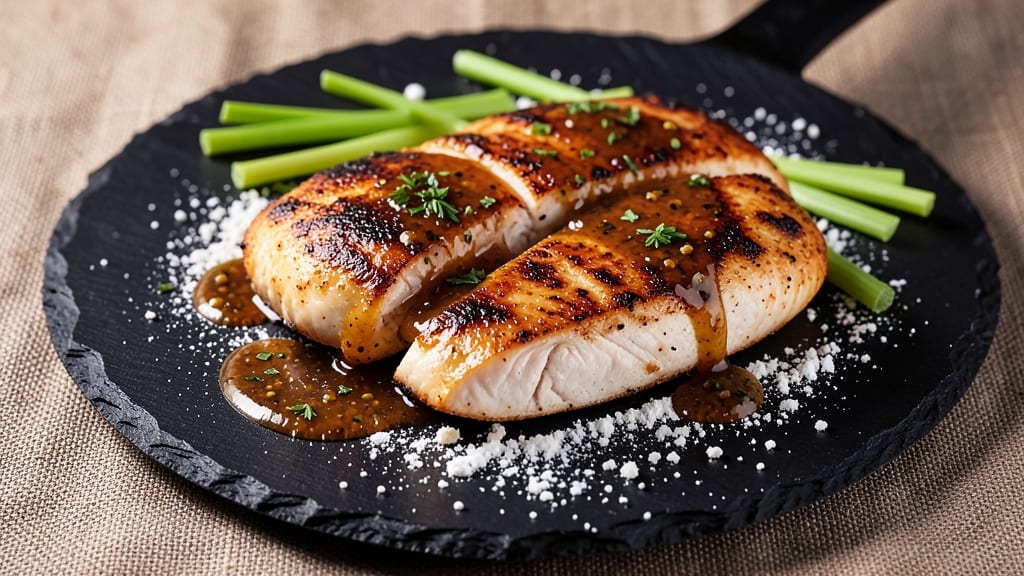
Bobby Flay's signature chicken recipe delivers crispy celery crust perfection paired with velvety buttery gravy—a restaurant-worthy dish that transforms weeknight dinners. 💛 I first encountered this technique while watching Bobby's cooking shows, where he demonstrated how celery's natural oils create an irresistible golden crust when combined with flour and butter.
The secret lies in the celery crust itself—a blend of finely chopped celery, flour, and butter that forms a crispy, flavorful barrier while keeping the chicken juicy inside. This method elevates simple chicken breasts into something extraordinary, with a rich pan sauce that ties everything together.
The process requires just 30 minutes of active time, making it ideal for home cooks who want restaurant-quality results without the fuss.
By the time you plate this dish, you'll have golden-brown chicken with a crispy celery crust that shatters at every bite, paired with a luscious buttery gravy that clings perfectly.
The aroma alone will have everyone gathering at the table, and the flavor combination—savory crust, tender meat, and rich sauce—is impossible to resist. This is the kind of meal that turns ordinary dinners into memorable experiences.
Serve with roasted potatoes or a simple green salad to round out the plate. The gravy's richness pairs beautifully with the crispy chicken, creating a harmonious balance that Bobby Flay himself would approve of. Let's get cooking—your taste buds will thank you.
Ingredients for bobby flay chicken
Golden crust meets buttery gravy—Bobby Flay’s secret for restaurant-quality chicken at home.
| Ingredient | Amount | Notes |
|---|---|---|
| Boneless Chicken Breasts 🍗 | 1 ½ lb | Pounded to even thickness |
| Celery Stalks 🥬 | 6 whole | Finely chopped, no strings |
| All-Purpose Flour 🌾 | 1 ½ cups | For celery crust coating |
| Unsalted Butter 🧈 | 1 cup | Melted for crust binding |
| Fresh Garlic Cloves 🧄 | 4 cloves | Minced, aromatic punch |
| Chicken Broth 💧 | 1 ½ cups | Low-sodium preferred |
| Heavy Cream 🥛 | ½ cup | Full-fat for richness |
| Dry White Wine 🍷 | ¼ cup | Any dry variety |
| Kosher Salt 🧂 | 1 tsp | Enhances all flavors |
| Freshly Ground Black Pepper 🌶️ | ½ tsp | Freshly ground preferred |
| Dried Thyme 🌿 | 1 tsp | For aromatic depth |
| Olive Oil 🫒 | ¼ cup | For searing chicken |
| Fresh Parsley 🌿 | ¼ cup | Chopped, for garnish |
The celery is everything here. Look for crisp, bright green stalks—the whiter the celery, the more bitter it gets. I always grab the organic kind from Whole Foods when I can, but the regular grocery store stuff works fine if it hasn’t gotten limp. Finely chopping it (no strings!) is key—you want that texture to turn into a crispy crust. Pro tip: Freeze the chopped celery if you’re prepping ahead—it’ll stay fresh for up to a week. The butter matters too—unsalted is a must so you control the seasoning later.
No celery? Substitute finely chopped fennel or extra carrots—they add sweetness and still crisp up nicely. Short on wine? Beef broth works in a pinch, but a splash of lemon juice adds brightness. Fresh thyme is ideal but dried works at half the amount. The flour can be whole wheat if you’re watching white carbs, but all-purpose gives that classic crunch. For the gravy, trust me on the full-fat cream—it’s what makes it velvety. Skip the low-fat stuff, or you’ll end up with a sad, watery sauce.
This chicken tastes even better the next day—gravy thickens beautifully after chilling. Store in airtight containers for 4-5 days in the fridge, or freeze for up to 3 months. I always reheat the gravy gently in a saucepan with a splash of water or broth to loosen it up. The celery crust stays crisp if you reheat it in the oven at 350°F for 10 minutes. Serve with roasted potatoes or a simple salad—the gravy’s richness pairs perfectly with anything starchy.
Why You'll Love This Recipe
- Pan-Fry Simplicity: I swear by this recipe because it’s all about that crispy, golden crust—just a quick flour dredge and sear in butter. No fancy marinating, no waiting hours; you’re talking 15 minutes of active work, tops.
- Garlic-Butter Magic: That butter and garlic combo? It’s the real MVP here. The celery adds a subtle crunch, but the garlic-infused butter makes every bite taste like you slaved over it. (Between us, it’s my lazy weeknight cheat code.)
- Lunchbox Hero: Between us, this is my go-to for meal prep. Slice the chicken, pack it with some rice or greens, and boom—you’ve got a lunch that doesn’t taste like yesterday’s leftovers. My kids actually eat it cold, no complaints.
- Budget-Friendly Crisp: Boneless chicken breasts are affordable, and this recipe stretches them far. A single batch feeds four, and the leftovers reheat like a dream—no drying out, no sad texture. Honestly, it’s the kind of dish that makes grocery day less stressful.
Step-by-step instructions for Bobby Flay's crispy chicken
Here's how to achieve that legendary celery crust and buttery gravy every time.
🍳 Step 1: Create the Celery Crust and Sear the Chicken
First, finely chop the 6 whole celery stalks (remove strings) and pulse in a food processor until you get a coarse, sand-like texture. In a bowl, combine this celery with 1.5 cups all-purpose flour, 1 tsp kosher salt, 0.5 tsp freshly ground black pepper, and 1 tsp dried thyme. Mix well—this is your crispy crust.
Heat 0.25 cup olive oil in a large skillet over medium-high heat. While the oil heats, pound the 1.5 lb boneless chicken breasts to an even ½-inch thickness between two sheets of plastic wrap. This ensures even cooking and maximum crispiness.
Dredge each chicken breast in the celery-flour mixture, pressing gently to adhere the coating. Shake off any excess, then carefully place the coated chicken in the hot oil. Cook for 3-4 minutes per side until the crust is deep golden brown and crispy. The chicken should register 160°F internally—don't overcook or it'll dry out. Transfer to a plate and tent with foil to keep warm.
🍳 Step 2: Build the Buttery Gravy Base
In the same skillet (no need to clean it—those crispy bits are flavor gold), reduce heat to medium and add 1 cup unsalted butter. Let it melt completely, then add the 4 cloves minced fresh garlic cloves and cook for 30 seconds until fragrant. Be careful not to burn the garlic—it should smell amazing but not bitter.
Pour in the 0.25 cup dry white wine and scrape up all those delicious browned bits from the bottom of the pan. Let it simmer for 2-3 minutes until reduced by half. This deglazing step captures all the crispy crust flavors you just created.
Add 1.5 cups chicken broth and bring to a gentle simmer. Stir in 0.5 cup heavy cream and let it thicken slightly—about 3-4 minutes. Season with an extra pinch of kosher salt and freshly ground black pepper if needed. The gravy should coat the back of a spoon but still be pourable.
🥘 Step 3: Finish and Serve with Crispy Perfection
Return the crispy chicken to the skillet and spoon the buttery gravy over the top. Let it all simmer together for 1-2 minutes just to heat through and let those flavors meld. Here's the thing—this is where the magic happens. The residual heat from the chicken will finish cooking the gravy to absolute perfection.
Garnish with 0.25 cup chopped fresh parsley and serve immediately. Each bite should deliver that incredible crunch from the celery crust, followed by tender chicken and that rich, velvety gravy. The secret to this dish is in the timing—keep everything hot and serve right away so that crispy crust doesn't soften.
Real talk: If your gravy gets too thick, just whisk in a splash of warm chicken broth to loosen it up. And don't skip the celery crust—it's what makes this Bobby Flay classic so special. You've got this!
Pro Tips For Making Bobby Flay Chicken
- Pound First, Then Salt: Bobby Flay’s version relies on even cooking, so flatten those chicken breasts to ¼-inch thickness with a meat mallet before seasoning—no one wants a dry center. I used to skip this, and the outside would burn before the inside cooked through. Trust me, the mallet isn’t optional here.
- Butter the Pan, Not the Chicken: The recipe calls for butter, but resist the urge to coat the chicken before searing—it’ll steam instead of brown. Instead, melt 2 tablespoons of butter in the pan until foaming, then add the chicken. The butter should sizzle like a good fight, not whisper.
- Celery Dice, Don’t Chop: Tiny celery pieces turn to mush in the pan while the chicken cooks. Cut them into ¼-inch cubes (not julienned strips) so they hold shape and add texture without disappearing. I learned this after one batch where the celery turned into soup.
- Low and Slow for the Sauce: After deglazing with garlic, simmer the pan drippings on medium-low heat for 3–4 minutes—this thickens the sauce without burning it. I used to crank the heat, and the sauce would split like a bad joke. Patience here makes all the difference.
Storing and reheating this recipe
Refrigerator Storage
This dish tastes even better the next day, so I always make extra for leftovers. Store the chicken and gravy separately in airtight glass containers—I love using Pyrex with snap-on lids—to keep the celery crust crisp.
Keep refrigerated at 40°F or below for up to 4 days. The gravy will thicken slightly overnight, so stir in 1-2 tablespoons of warm water or chicken broth when reheating to restore its silky texture. 💛
Freezer-Friendly Tips
For longer storage, freeze the chicken and gravy together in a single freezer-safe container or quart-sized freezer bag with 1 inch of headspace for expansion. Label with the date—it stays delicious for up to 3 months.
When ready to eat, thaw overnight in the fridge, then reheat gently to avoid soggy crusts. I sometimes freeze just the gravy separately to use as a quick sauce later. ❄️
Reheating the Crust
The celery crust loses its crispiness when reheated with moisture, so I use the oven for best results. Place the chicken on a baking sheet and reheat at 350°F for 10-12 minutes until warmed through.
For a quicker method, use the stovetop: heat 1 tablespoon of olive oil in a skillet over medium heat and warm the chicken for 2-3 minutes per side. This keeps the crust intact while gently heating the meat. 🔥
Reviving the Gravy
Gravy reheats beautifully on the stovetop. Pour it into a saucepan and warm over medium-low heat, stirring occasionally. If it thickens too much, whisk in 1-2 tablespoons of warm chicken broth to reach your desired consistency.
Avoid high heat—this can cause the cream to separate. For extra richness, stir in 1 tablespoon of cold butter at the end for a glossy finish. 💡
Serving Leftovers
This dish makes an amazing lunch the next day. I like to serve the reheated chicken over mashed potatoes or with crusty bread to soak up the gravy. For a quick weeknight meal, assemble a gravy-drizzled sandwich with the chicken and a slice of sourdough.
The celery crust adds an unexpected crunch that elevates even simple sides. 🌟
Nutrition facts
Frequently asked questions
Can I use chicken thighs instead of breasts for this recipe?
Chicken thighs work beautifully—they stay juicier and more forgiving during cooking. Just adjust the cooking time to 5-6 minutes per side (they cook slower than breasts) and check for 165°F internal temperature. The crispy celery crust will still form perfectly, though thighs may need slightly more time to reach a golden brown.
What's the secret to getting that perfect crispy celery crust?
Three key factors: finely chopped celery (no strings!), hot oil, and pressing the coating firmly onto the chicken. The celery needs to be sand-like texture—pulse it in a food processor. Also, don't overcrowd the pan when frying, or the crust will steam instead of crisp.
Can I make this recipe ahead of time?
Yes! The chicken and gravy can be prepped separately up to 2 days ahead. Store the chicken in an airtight container and reheat it in the oven at 350°F for 10 minutes to restore crispiness. Reheat the gravy gently on the stove, adding a splash of broth if it thickens too much. The flavors actually improve overnight!
What if I don't have white wine for the gravy?
No problem! Substitute with chicken broth (use the same amount) or apple cider vinegar (just 1 tablespoon) for acidity. For extra richness, add 1 teaspoon of Dijon mustard to the gravy. The wine adds depth, but these alternatives still create a delicious sauce—just slightly different in character.
How do I fix a gravy that's too thick or too thin?
For thick gravy, whisk in 1-2 tablespoons of warm chicken broth gradually until smooth. For thin gravy, simmer uncovered for 2-3 minutes to reduce, or stir in 1 tablespoon of cornstarch mixed with cold water. Always taste as you go—seasoning matters just as much as consistency!