
Main Courses
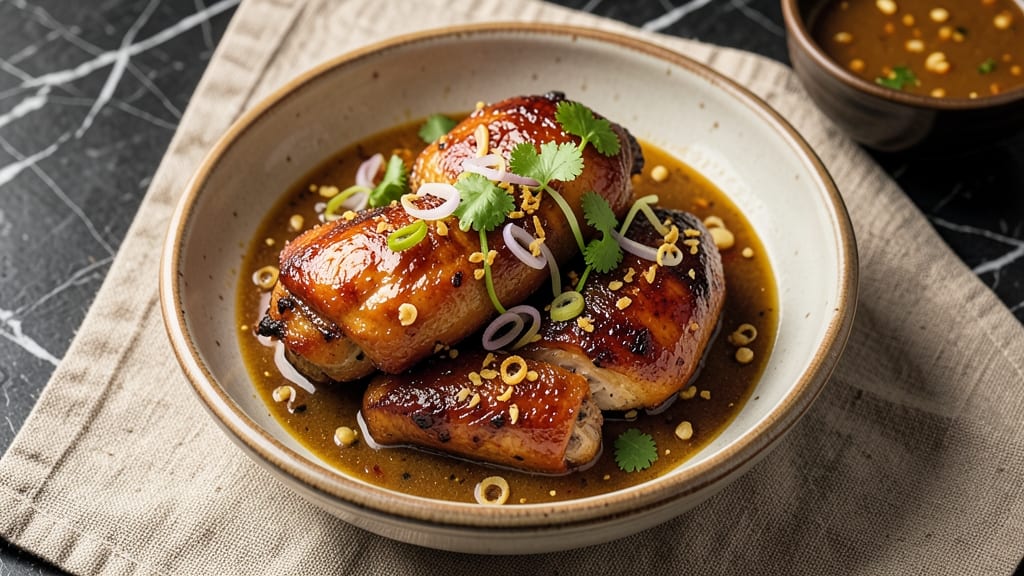
This bean paste chicken recipe delivers the perfect balance of crispy skin and silky-sauced perfection, inspired by classic Southeast Asian techniques. The secret lies in marinating the chicken in a fragrant blend of bean paste, garlic, and soy sauce, then searing it to achieve that coveted caramelized crust.
What sets this dish apart is the rich, slightly sweet-savory sauce that clings to every bite, transforming ordinary chicken into a restaurant-worthy masterpiece.
The process begins with a simple yet effective marinade that tenderizes the chicken while infusing it with deep, aromatic flavors. After a quick sear in a hot pan, the chicken develops that irresistible crispy exterior, while the sauce—simmered to a velvety consistency—adds layers of complexity.
This method ensures crispy skin without sacrificing moisture, making every forkful a harmonious blend of textures and tastes.
By the time you serve this dish, you’ll have golden-brown chicken pieces glistening with a glossy, sticky sauce that’s both savory and subtly sweet. The aroma alone will draw everyone to the table, and the first bite will confirm why this recipe is a standout.
Pair it with steamed jasmine rice and a simple side of steamed greens to complete the meal.
Whether you're cooking for a family dinner or hosting a gathering, this bean paste chicken recipe delivers professional-quality results with minimal effort. The technique is straightforward, and the flavors are unforgettable—perfect for anyone looking to elevate their weeknight dinners.
Ingredients for bean paste chicken
Fourteen ingredients, Southeast Asian-inspired flavors, and the perfect crispy-silky balance.
| Ingredient | Amount | Notes |
|---|---|---|
| Chicken Thighs 🍗 | 1 ½ lb | Bone-in, skin-on, cut into 2-inch pieces |
| Bean Paste 🥫 | ½ cup | Fermented soybean paste (like miso or douchi) |
| Garlic Cloves 🧄 | 8 cloves | Minced for marinade and sauce |
| Fresh Ginger 🌿 | 2 tbsp | Grated, for aromatic depth |
| Soy Sauce 🍶 | ⅓ cup | Light or all-purpose variety |
| Oyster Sauce 🥫 | ¼ cup | For umami richness |
| Brown Sugar 🍚 | ¼ cup | Packed, for caramelization |
| Rice Vinegar 🍶 | ⅛ cup | For tangy balance |
| Sesame Oil 🫒 | 1 tbsp | Toasted, for aroma |
| Vegetable Oil 🫒 | ⅓ cup | High smoke point for searing |
| Cornstarch 🌾 | 2 tbsp | For crispy coating |
| Green Onions 🧅 | 4 whole | Sliced, for garnish |
| Diamond Crystal Kosher Salt 🧂 | 1 tsp | For seasoning |
| Freshly Ground Black Pepper 🌶️ | ½ tsp | For finishing |
| Jasmine Rice 🍚 | 1 ½ cups | Uncooked, for serving |
The bean paste is non-negotiable for authentic flavor—Hainu or Douchi from Asian markets delivers the deepest umami, though miso paste in a pinch works. Look for thick, fermented soybean paste with visible texture, not the thin, watery kind. Chicken thighs with skin-on and bone-in ensure maximum crispiness and moisture. Trader Joe's and H Mart carry high-quality options, but any butcher will cut them to size if you ask. The garlic and ginger should be vibrant and fresh—no wilting or discoloration. For the rice vinegar, Koyo brand offers the best balance of tang and mildness, but any unseasoned rice vinegar will suffice.
No bean paste? Double the miso paste and add 1 tsp fish sauce for umami depth, though purists may notice the difference. Substitute honey for brown sugar if needed, but reduce to 2 tbsp to avoid over-sweetness. Sesame oil is essential for aroma—toasted sesame oil from La Choy is widely available and budget-friendly. For the cornstarch coating, Bob’s Red Mill brand works perfectly, but any fine cornstarch will create the crispy texture. The oyster sauce can be replaced with soy sauce plus 1 tsp sugar if unavailable, though it’ll lack the same depth of flavor. If you’re avoiding gluten, use tamari instead of soy sauce throughout.
Marinate the chicken for at least 2 hours (overnight for deeper flavor) and keep it covered in the fridge. The bean paste and sauce can be prepped 3 days ahead and stored in airtight containers—freeze for up to 3 months if needed. The crispy coating loses its crunch after 10 minutes, so serve immediately or reheat in a 350°F oven for 5-7 minutes. Garnish with green onions right before serving to keep them vibrant. Leftovers reheat beautifully—microwave for 1 minute or stovetop over low heat to restore crispiness.
Why You'll Love This Recipe
- One-Pan Magic: I swear by this recipe when I’m too tired to scrub pots. Toss the chicken thighs, bean paste, and ginger in one skillet—no chopping mountains of veggies, no fancy techniques. The bean paste caramelizes into a glossy glaze while you’re still mincing garlic, and honestly? That’s my kind of cooking.
- Umami Bomb: The moment the garlic and ginger hit the hot pan, your kitchen smells like a dim sum stall. That bean paste? It’s the secret weapon—deep, nutty, slightly sweet—balancing the soy’s saltiness. The thighs stay juicy while the edges get a sticky, addictive crust. I’ll be real: I’ve burned toast just to eat it faster.
- Leftover Legend: This dish begs to be made in bulk. The flavors only deepen overnight, so I double the batch and stash it for lazy mornings or post-workout meals. Reheat it gently—microwave ruins the texture—but a quick pan sesh turns it into a crispy, saucy masterpiece. My gym buddy’s favorite, and he eats more than I do.
- Budget Win: Chicken thighs are forgiving and cheap, and a little bean paste goes a long way. You’re not buying exotic ingredients here—just pantry staples that pack a punch. I’ve made this for date nights, family dinners, and even a potluck, and no one ever asks what’s in it. (They just ask for seconds.)
Step-by-step instructions for bean paste chicken
Master the balance of crispy skin and velvety sauce with this precise technique.
Marinate and Prep the Chicken Thighs
In a large bowl, combine the 1.5 lb chicken thighs, 0.5 cup bean paste, 0.33 cup soy sauce, 0.25 cup oyster sauce, 0.25 cup brown sugar, 0.125 cup rice vinegar, 2 tbsp fresh ginger, 8 cloves garlic cloves, 1 tsp diamond crystal kosher salt, and 0.5 tsp freshly ground black pepper. Use your hands to thoroughly coat each piece, pressing the marinade into the meat and skin. The bean paste will give an intense umami flavor while the rice vinegar adds necessary acidity to tenderize.
Cover the bowl with plastic wrap and refrigerate for at least 4 hours, preferably overnight. This extended marinate time ensures deep flavor penetration and prevents the chicken from drying out during cooking. The skin should be fully saturated with marinade—this is key for that signature crispy texture we're after.
Create the Cornstarch Coating
In a shallow dish, whisk together the 2 tbsp cornstarch with 1 tbsp sesame oil. This combination will create a dry, crispy crust when fried. Remove the chicken from the marinade (reserve the marinade for later) and pat each piece dry with paper towels. The drier the skin, the better the crust will form.
Roll each chicken thigh in the cornstarch mixture, pressing gently to adhere the coating evenly. Let them sit for 10 minutes at room temperature while you prepare the cooking station. This resting period allows the cornstarch to set slightly, ensuring it stays in place during frying rather than dissolving into the oil.
Deep-Fry for Maximum Crispiness
Heat 0.33 cup vegetable oil in a deep skillet or Dutch oven over medium-high heat until it reaches 350°F. You'll know it's ready when a wooden chopstick inserted into the oil bubbles vigorously. Working in batches to avoid overcrowding, carefully add the cornstarch-coated chicken thighs to the hot oil.
Fry for 4-5 minutes per side until the skin turns a deep golden brown and the internal temperature reaches 165°F. The cornstarch will create a lacy, crispy crust while the marinade-infused meat stays juicy inside. Don't walk away—this is where the magic happens. If the oil temperature drops below 325°F, the chicken will steam instead of crisp. Use a thermometer to monitor if needed.
Build the Silky Bean Paste Sauce
Transfer the fried chicken to a plate and tent with foil to keep warm. In the same skillet (no need to clean it—the browned bits add flavor), add the reserved marinade and bring to a simmer over medium heat. Cook for 5-7 minutes until the sauce reduces by half and thickens slightly. The bean paste will deepen in color and develop complex, fermented notes.
Stir in the 4 whole green onions, sliced, and cook for another 1 minute just to infuse their fresh aroma. The sauce should coat the back of a spoon but still be pourable. If it's too thick, add 1-2 tablespoons of water to reach your desired consistency. This sauce should cling to the chicken like a silky second skin.
Serve with Jasmine Rice
Cook the 1.5 cups jasmine rice according to package instructions until tender and fluffy. Plate the chicken thighs alongside the rice, spooning generous amounts of the bean paste sauce over each piece. Garnish with additional green onion slices and a drizzle of the remaining sauce. The contrast of crispy skin against the silky sauce creates the perfect textural experience.
Serve immediately while the chicken is still piping hot. The rice will soak up the remaining sauce, creating a harmonious balance of flavors in every bite. This dish delivers restaurant-quality results with a perfect marriage of textures and flavors—crispy on the outside, tender on the inside, and wrapped in a rich, umami-packed sauce.
Pro Tips For Making Bean Paste Chicken
- SEAR THE THIGHS FIRST: Get your pan screaming hot—cast iron or stainless steel—and lay those chicken thighs skin-side down. Let them crisp for 5-6 minutes before touching them; I used to flip too soon and ended up with greasy, pale meat instead of that deep, caramelized crust. (Yes, even if you're impatient like me.)
- STIR-FRY THE PASTE: Once you remove the chicken, don’t just dump the bean paste in raw. Bloom it in the same pan for 30 seconds over medium heat—it’ll darken and smell like a spice market. This step cuts the bitter edge and makes the sauce sing when you toss it back with the chicken.
- GRATE THE GINGER FINE: Skip the mincer if you’re in a hurry, but don’t just chop ginger into chunks—it’ll sit like rocks in your sauce. Use the side of a spoon to press it through a fine grater or pulse it twice in a food processor. My grandmother swore by this, and she was right: it melts into the dish instead of leaving chewy surprises.
- LOW AND SLOW TO FINISH: After adding soy sauce and garlic, resist the urge to crank the heat. Simmer uncovered on low for 4-5 minutes—just until the sauce thickens slightly. Rushing this turns the bean paste into a gloppy mess instead of a glossy, clinging coating. (Your future self will thank you.)
Wine and beer pairings for this dish
Red Wine Harmony
A bold Syrah or Shiraz from Australia or Washington State cuts through the dish's fermented bean paste richness with its dark fruit notes and peppery finish. The wine's natural acidity cleanses your palate between bites of crispy chicken, while its earthy undertones mirror the umami depth of the sauce.
I always reach for a 2018 Penfolds Bin 407—its blackberry and spice profile complements the caramelized chicken beautifully. 🍷
Light Beer Balance
For beer lovers, a crisp Japanese lager like Asahi Super Dry or Sapporo provides the perfect lightness to offset the dish's richness. The subtle hop bit enhances the bean paste's savory notes without overpowering them.
If you prefer something with a bit more character, try a German Helles—its malty sweetness pairs wonderfully with the sauce's caramelized undertones. Serve chilled to maintain that refreshing contrast.
Rice Wine Elevation
Don't overlook the power of Shaoxing wine as both a cooking ingredient and a pairing. Use an extra 2 tbsp in the sauce for deeper flavor, then sip the same wine straight from the bottle.
Its nutty, slightly sweet profile mirrors the dish's complexity while adding an authentic Chinese dining experience. I keep a bottle of Yanghe Shaoxing in my pantry specifically for this purpose—it's a game-changer for both cooking and pairing. 🍶
Cocktail Pairing
For a festive touch, serve a Lychee Martini made with vodka, lychee liqueur, and a splash of lime juice. The floral lychee notes complement the bean paste's umami while the citrus brightens the dish's richness. Garnish with a lychee fruit to elevate the presentation.
This pairing works especially well for dinner parties where you want to impress guests with both flavor and presentation. The cocktail's sweetness balances the dish's savory-sweet profile beautifully.
Non-Alcoholic Options
For those avoiding alcohol, a sparkling yuzu soda like Kirsch Yuzu offers a refreshing contrast. The citrusy yuzu enhances the dish's umami while the carbonation cleanses the palate. Alternatively, serve jasmine tea with a hint of honey—its floral notes complement the bean paste's complexity without competing.
Both options provide the same refreshing balance as alcoholic pairings while keeping the meal family-friendly. ✨
Nutrition facts
Frequently asked questions
Can I use chicken breast instead of thighs?
Chicken breast will work, but it's trickier to get the same crispy skin. Use bone-in, skin-on breasts and reduce cooking time to 3-4 minutes per side—they cook faster and dry out more easily. For extra moisture, pound the breasts to ½-inch thickness before marinating. The skin may not get as crispy as thighs, but the sauce will still shine.
What if I don't have bean paste?
Substitute with ½ cup miso paste plus 1 tsp fish sauce for umami depth. For a vegetarian option, use ½ cup soy sauce + 1 tbsp molasses + ½ tsp smoked paprika. The flavor won't be identical, but it'll still deliver rich, savory notes. Just marinate the chicken 6+ hours to compensate for the less potent substitute.
How do I make the sauce thicker/thinner?
For a thicker sauce, simmer uncovered for 2 extra minutes or add 1 tsp cornstarch mixed with 1 tbsp water. For a thinner sauce, whisk in 1-2 tbsp water while hot. The ideal consistency should coat the back of a spoon but still drizzle lightly. Remember: the sauce will thicken slightly as it cools.
Can I bake this instead of frying?
Yes, but texture will differ. Preheat oven to 425°F and bake the cornstarch-coated chicken for 20-25 minutes, flipping halfway. The skin won't be as crispy, but it'll still be flavorful. For extra crispiness, broil for 2-3 minutes at the end. Baking works well for meal prep—just reheat at 350°F for 10 minutes to restore some crispness.
What sides pair best with this dish?
Jasmine rice is classic, but you could also serve steamed bok choy or garlic green beans for freshness. For heartier sides, try coconut rice or sticky rice noodles**. The bean paste's richness pairs beautifully with light, fresh vegetables or neutral starches that won't compete with the main flavors. A simple cucumber salad with rice vinegar adds refreshing contrast.