
Soups & Stews
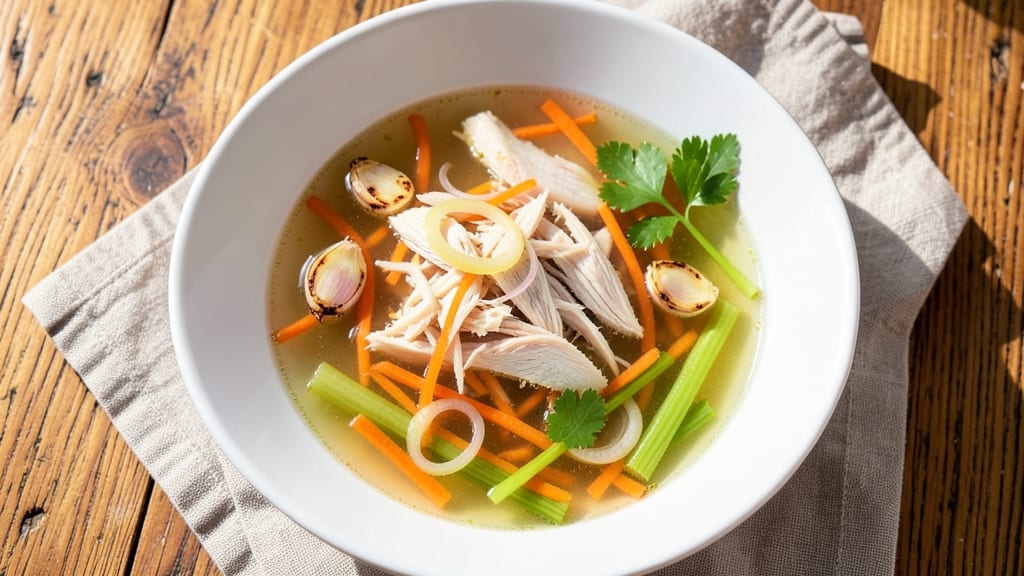
This bariatric-friendly chicken soup recipe delivers gentle digestion with every spoonful, packed with lean protein and easily digestible ingredients tailored for healing after surgery. The secret lies in soft textures and minimal seasoning—no heavy fats or dairy—while still offering rich, comforting flavors that support recovery without straining your system.
What sets this recipe apart is the focus on protein-rich broth and finely shredded chicken, both gentle on digestion while providing essential nutrients. The vegetables are pureed or finely chopped to avoid fiber overload, ensuring every bite is nourishing without discomfort.
It’s designed to be both healing and satisfying, perfect for post-surgery meals or anyone following a low-carb, high-protein diet.
The result is a warm, soothing broth that’s easy to digest yet packed with flavor—ideal for small, frequent meals. The recipe avoids common bariatric triggers like dairy or heavy oils, making it a safe, protein-focused option that still feels indulgent.
Each bowl is a step toward better nutrition without the digestive stress.
Whether you’re recovering or managing a bariatric diet long-term, this soup provides the protein and hydration your body needs while keeping meals gentle and nourishing. Let’s make it together—simple, healing, and full of care.
Ingredients for bariatric chicken soup
Lean protein and finely textured vegetables create a gentle, healing broth perfect for bariatric recovery.
| Ingredient | Amount | Notes |
|---|---|---|
| Boneless, Skinless Chicken Breast 🍗 | 1 ½ lb | Finely shredded post-cooking |
| Low-Sodium Chicken Broth 💧 | 6 cups | Homemade or high-quality store-bought |
| Carrots 🥕 | ½ lb | Finely diced or pureed |
| Yellow Onion 🧅 | 1 whole | Finely chopped, skin removed |
| Celery Stalks 🌿 | 2 whole | Finely chopped, strings removed |
| Garlic Cloves 🧄 | 3 cloves | Minced for aroma |
| Fresh Parsley 🌿 | ¼ cup | Chopped for garnish |
| Extra-Virgin Olive Oil 🫒 | 1 tbsp | For gentle sautéing |
| Low-Sodium Sea Salt 🧂 | ½ tsp | Adjust to taste |
| Black Pepper 🌶️ | ¼ tsp | Freshly ground |
| Dried Thyme 🌿 | ½ tsp | For subtle earthiness |
| Xanthan Gum 🧪 | ¼ tsp | Optional for thickening |
The chicken breast is the cornerstone of this recipe—opt for skinless, boneless cuts to minimize fat. Costco or Trader Joe's often carry pre-cut options for convenience, but any grocery store will have them. Look for breasts with minimal connective tissue to ensure tender results. The broth should be low-sodium to avoid bloating; homemade versions using chicken carcasses simmered with herbs work best, but Swanson or Pacific Foods brands are reliable store-bought options. For the vegetables, organic produce reduces pesticide residue, but conventional is fine if peeled. The carrots and celery should be finely diced or pureed to prevent fiber irritation.
No fresh parsley? Dried parsley at one-third the amount suffices, though fresh adds brightness. Running short on thyme? Dried oregano works in a pinch, but thyme’s earthy notes complement the broth better. The olive oil is purely for sautéing—avocado oil is a neutral alternative if you prefer. For those avoiding xanthan gum, a cornstarch slurry (1 tsp cornstarch + 1 tbsp cold water) thickens similarly. If using pre-shredded carrots or celery, rinse thoroughly to remove excess starch. The garlic cloves can be minced with a microplane for finer texture, but a knife works too.
This soup reheats beautifully—simmer gently to maintain tenderness. Store in airtight glass containers for up to 4 days in the fridge or 3 months frozen. For portion control, divide into 8-ounce servings before freezing. The broth thickens upon cooling, so add a splash of broth when reheating if needed. Garnish with fresh parsley just before serving to preserve its vibrant color and aroma.
Why You'll Love This Recipe
- No-Chop Nightmare: I swear by this one—just dice the onion, celery, and carrots once (or buy pre-cut veggies, no judgment). The chicken breast stays in one piece until it’s tender, so no tiny shreds to lose in the broth. Honestly, my hands stay clean and my patience intact.
- Soup That Doesn’t Skimp: The low-sodium broth might sound boring, but the caramelized onion and celery base—sautéed until soft—adds depth that surprises everyone. Between us, the chicken stays juicy and shreds perfectly, so you’re not left with dry, sad protein. That’s the magic.
- Meal Prep MVP: This soup reheats like a dream for lunches, and the ingredients scale so easily. Double the batch, freeze half, and you’ve got a high-protein, low-guilt meal ready in minutes. My kids grab it straight from the fridge—no complaints, just empty bowls.
- Budget-Friendly Hero: Chicken breast and basic veggies won’t break the bank, and the broth stretches for days. I’ll be real: I’ve made this for sick friends, potlucks, and even a last-minute dinner when the takeout menu felt too heavy. It’s the kind of soup that works for everything.
Step-by-step instructions for bariatric-friendly chicken soup
This method ensures gentle digestion while maximizing protein and nutrient absorption.
Prepare the Chicken Breast for Easy Shredding
Cut the 1.5 lb boneless, skinless chicken breast into 1-inch cubes for even cooking and effortless shredding. Place them in a large pot and cover with 6 cups low-sodium chicken broth. Bring to a gentle simmer over medium heat—you'll see small bubbles form at the edges, but not a rolling boil. This controlled heat preserves moisture and prevents tough fibers.
Simmer uncovered for 15-20 minutes until the chicken is opaque and tender when pierced with a fork. Overcooking can make the meat dry and harder to digest. Once fully cooked, remove the chicken with tongs and set aside to cool slightly before shredding. The broth will form the base of your soup, so strain it through a fine-mesh sieve to remove any impurities while keeping it flavorful.
Sauté Vegetables for Gentle Flavor Development
In the same pot, heat 1 tablespoon extra-virgin olive oil over medium-low heat. Add the finely chopped yellow onion, celery stalks, and carrots—these should be cut into small, bite-sized pieces for easy digestion. Sauté for 5-7 minutes until the vegetables soften and release their natural sweetness, but avoid browning, which can create indigestible compounds.
Stir in the minced garlic cloves and 0.5 teaspoon dried thyme, cooking for an additional 1-2 minutes until fragrant. The garlic should dissolve into the vegetables rather than burn, ensuring a mild yet flavorful profile. Season lightly with 0.25 teaspoon black pepper and 0.5 teaspoon low-sodium sea salt, adjusting to taste while keeping sodium levels appropriate for bariatric diets.
Combine Ingredients for Balanced Nutrition
Return the shredded chicken to the pot and add the strained broth. Stir gently to combine, ensuring the chicken is fully submerged. If the soup appears too thin, sprinkle in the 0.25 teaspoon xanthan gum and whisk vigorously for 30 seconds—this optional step helps thicken the broth slightly without adding unnecessary calories or bulk. Simmer on low heat for 10 minutes to allow flavors to meld.
Taste and adjust seasoning if needed, keeping in mind that bariatric-friendly soups should be flavorful yet gentle on digestion. The soup should be warm but not scalding—cool slightly before serving. Garnish with chopped fresh parsley just before serving to add a touch of freshness and visual appeal without overpowering the dish.
Serve with Digestive Considerations
Ladle the soup into 4 servings, ensuring each portion is warm and well-balanced. For bariatric patients, it's best to serve the soup room temperature or slightly warm to avoid triggering reflux or discomfort. The finely shredded chicken provides lean protein, while the soft-cooked vegetables offer fiber and vitamins in an easily digestible form.
Encourage small, frequent servings throughout the day if this is part of a meal plan. The low-sodium broth and gentle seasoning make this soup suitable for sensitive stomachs, while the high-protein content supports recovery and satiety. Store any leftovers in an airtight container in the refrigerator for up to 3 days, reheating gently before serving.
Pro Tips For Making Bariatric Chicken Soup
- SEAR CHICKEN FIRST: Skip the slow simmer start—pat the chicken dry, then sear it in a hot pan with a drizzle of oil for 2-3 minutes per side until golden. It adds depth without extra fat, and the flavor carries through the broth. (Yes, even if you’re using skinless breasts—this isn’t just for thighs.)
- CHOP VEGETABLES UNIFORM: Carrots and celery should be cut into ¼-inch pieces, onions into ⅛-inch dice. Big chunks take forever to soften, and you’ll end up with a soup where some veggies are mushy and others are still crunchy. I learned this the hard way—no one wants a surprise celery spear in bariatric-friendly soup.
- SIMMER LOW AND COVERED: Once everything’s in the pot, reduce heat to a bare simmer (tiny bubbles, not a rolling boil) and keep it covered. High heat turns chicken rubbery, and uncovered broth evaporates too fast, making the soup watery. Let it cook at 180°F (82°C) for 25-30 minutes—gentle wins every time.
- ADD ACID LAST: Hold off on lemon juice, vinegar, or even a splash of apple cider until the very end. Acid can break down the chicken and turn the broth cloudy if added too early. A teaspoon at the end brightens the flavor without wrecking the texture. (Trust me, I’ve ruined a batch by rushing this.)
Wine and beer pairings for this dish
Light White Wine
For this gentle, protein-focused soup, a crisp Sauvignon Blanc from New Zealand or a Pinot Grigio from Italy is my go-to choice. The bright acidity and citrus notes in these wines cut through the richness of the broth without overpowering the delicate flavors.
Look for a bottle with minimal oak influence—think Cloudy Bay Sauvignon Blanc or Santa Margherita Pinot Grigio—to avoid any heavy tannins that could clash with the soup’s soft texture. 🍷
Light Beer Pairings
If you prefer beer, opt for a wheat beer or light lager that won’t overwhelm the soup’s subtle seasoning. A Blue Moon Belgian White or Heineken works beautifully—their gentle effervescence and mild flavors complement the broth without adding bitterness.
Avoid dark beers like stouts or porters, as their roasted notes can compete with the soup’s delicate herbs and vegetables.
Non-Alcoholic Options
For a non-alcoholic pairing, a sparkling water with a splash of lemon or a ginger beer adds a refreshing contrast to the warm soup. If you enjoy herbal teas, a chamomile or peppermint tea enhances the soup’s soothing qualities while providing a calming finish.
The natural sweetness of these teas balances the soup’s savory notes without adding unnecessary calories or sugar.
Wine and Beer Tips
When serving wine or beer with this soup, keep the temperature in mind. Chill your white wine to 45-50°F—too warm, and the alcohol’s heat will clash with the soup’s gentle warmth. For beer, serve at 40-45°F to maintain its crispness.
If you’re unsure about a specific bottle, err on the side of lighter body and higher acidity—these wines and beers will always harmonize with the soup’s delicate profile.
Seasonal Adaptations
In warmer months, a rosé with its crisp acidity and berry undertones pairs wonderfully with this soup. During colder seasons, a dry Riesling adds a touch of sweetness that contrasts nicely with the savory broth.
For beer lovers, a seasonal wheat beer with hints of orange or coriander can add a festive touch to your meal. 🍺
Nutrition facts
Frequently asked questions
Can I use regular chicken broth instead of low-sodium?
For bariatric diets, it's best to stick with low-sodium broth to avoid bloating or discomfort. Regular broth can contain up to 1,000mg of sodium per cup, which may trigger water retention or digestive issues. If you must use regular broth, dilute it with water (use 3 cups broth + 3 cups water) to cut the sodium content in half. Homemade broth gives you full control over seasoning!
How do I adjust this recipe for dairy-free diets?
This recipe is already dairy-free, but if you're avoiding all fats, skip the olive oil and use 1 teaspoon of vegetable broth instead for sautéing. For extra creaminess (without dairy), blend 1/4 cup cooked cauliflower into the soup before serving—it adds body while keeping it bariatric-friendly. Just strain out any lumps if you prefer a smoother texture.
What vegetables can I substitute if I don't have carrots or celery?
Stick with soft, low-fiber options like zucchini (finely diced), leeks (white parts only), or fennel (pureed). Avoid cruciferous veggies (broccoli, cabbage) or corn—they can cause gas or discomfort. For extra flavor, try 1/4 cup pureed butternut squash—it adds natural sweetness without fiber bulk.
Can I make this soup in an Instant Pot?
Sauté the onions, celery, and carrots first, then add everything else (including broth) to the Instant Pot. Cook on high pressure for 8 minutes, then quick-release. The chicken will shred easily, and the broth will develop deeper flavor. For thickening, add the xanthan gum during the last 2 minutes of cooking—it works better when heated.
How much soup should I serve per meal for bariatric patients?
Start with 1/2 to 3/4 cup per serving to avoid overfilling a small stomach pouch. Since this soup is nutrient-dense, 1-2 servings (totaling 1-2 cups) can easily replace a full meal. For protein-focused recovery, pair it with a small side of steamed green beans or a protein shake if needed. Always listen to your body's hunger cues!