
Sauces & Condiments
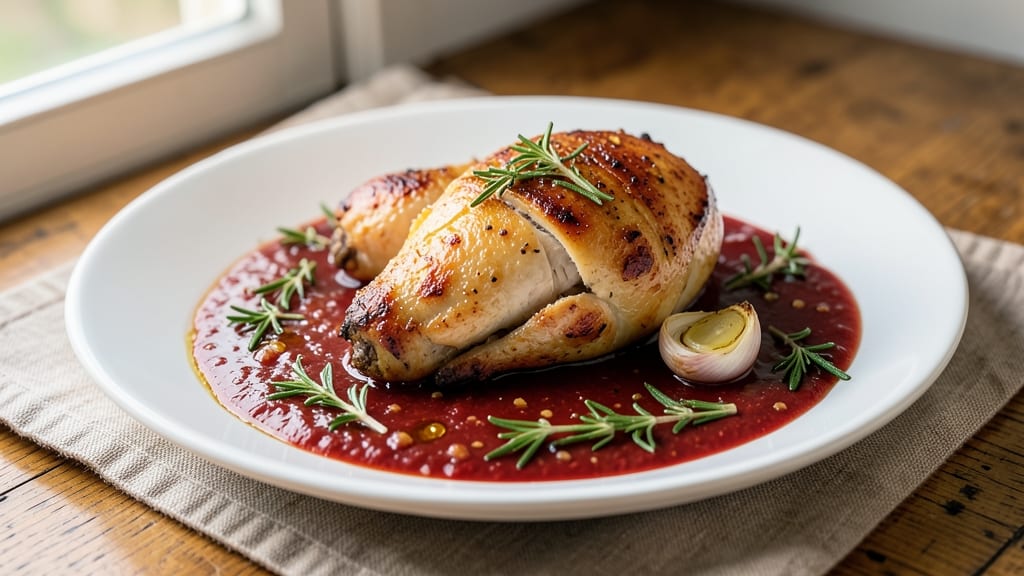
This baked chicken thigh sauce recipe transforms ordinary chicken into a juicy, herb-infused masterpiece with just a few simple ingredients. The key lies in a rich, velvety glaze that clings to every bite, enhancing natural flavors while keeping the meat impossibly tender.
Perfect for weeknight dinners or special occasions, this sauce delivers restaurant-quality results without the fuss.
The secret begins with a balance of tomato paste and cream, simmered until thick and glossy. Fresh herbs like thyme and rosemary infuse the sauce with aromatic depth, while a touch of garlic adds savory complexity.
The sauce isn't just a topping—it's a flavor amplifier that locks in moisture, ensuring each bite is succulent and full of character.
What you'll achieve is a glossy, herbaceous sauce that coats chicken thighs beautifully, creating a caramelized crust that seals in juices. The glaze is versatile enough to pair with roasted vegetables or crusty bread, making it the perfect finishing touch for any meal.
Ready in just 30 minutes, this sauce is the ideal way to elevate simple chicken into something extraordinary.
Whether you're hosting a dinner party or cooking for your family, this sauce will become your go-to for baked chicken thighs. The technique is straightforward, but the results are anything but basic—rich, flavorful, and impossible to resist. Let's get started on creating this foolproof herb-infused glaze.
Ingredients for baked chicken thigh sauce
Nine simple ingredients turn ordinary chicken into restaurant-worthy perfection.
| Ingredient | Amount | Notes |
|---|---|---|
| Tomato Paste 🍅 | 2 tbsp | High-quality, no sugar added |
| Heavy Cream 🥛 | ½ cup | Full-fat for richness |
| Fresh Thyme Leaves 🌿 | 1 tbsp | Or 1 tsp dried thyme |
| Fresh Rosemary Leaves 🌿 | 1 tbsp | Chopped finely |
| Garlic Cloves 🧄 | 3 cloves | Minced finely |
| Extra-Virgin Olive Oil 🫒 | 2 tbsp | For glossy finish |
| Dijon Mustard 🍯 | 1 tsp | Adds depth of flavor |
| Honey 🍯 | 1 tbsp | Balances acidity |
| Salt 🧂 | ½ tsp | Diamond Crystal preferred |
| Black Pepper 🌶️ | ¼ tsp | Freshly cracked |
The tomato paste and heavy cream form the sauce's velvety base—avoid powdered paste since it lacks depth. Trader Joe's has excellent tomato paste in tubes, which lasts months without opening. For the herbs, fresh is ideal, but dried works in a pinch (use half the amount). The extra-virgin olive oil should have a fruity aroma—California Olive Ranch is a reliable brand. Garlic needs to be minced finely for even distribution, and I always toast it briefly in olive oil first to mellow its sharpness.
No heavy cream? Coconut cream works beautifully for a dairy-free version, though the texture will be slightly lighter. Short on honey? Maple syrup is an easy swap, though it adds a subtle caramel note. Dijon mustard can be omitted if you dislike tang, but it adds complexity that's hard to replicate. For extra richness, stir in 1 tbsp of butter at the end—it melts into the sauce beautifully. The sauce thickens as it cools, so if it's too thin after simmering, reduce it by another minute or two.
This sauce keeps for 5 days in the fridge, sealed under a thin layer of olive oil to preserve freshness. It reheats perfectly—just warm gently on the stove or microwave until steaming. For meal prep, I double the batch and freeze half in ice cube trays. Each cube is perfect for a single serving of chicken thighs later in the week. The sauce also freezes well in small jars, ready to elevate any protein with minimal effort.
Why You'll Love This Recipe
- Here’s what sold me: the rosemary and thyme don’t just hint at flavor—they punch through the richness of the cream. A single sniff of that garlic-herb steam while it bakes makes me reconsider my life choices. (Yes, even on a Tuesday night.)
- One-Pan Magic: I swear by this—just toss the chicken and sauce on a sheet pan, pop it in the oven, and walk away. No pots, no pans, no stress. That tomato paste and heavy cream combo thickens beautifully without sticking, so cleanup is basically nonexistent.
- Herb-Packed Depth: Here’s what sold me: the rosemary and thyme don’t just hint at flavor—they punch through the richness of the cream. A single sniff of that garlic-herb steam while it bakes makes me reconsider my life choices. (Yes, even on a Tuesday night.)
- Leftovers That Shine: This sauce clings to chicken like it’s glued on, so reheating is a dream. Toss it in pasta the next day, pile it on toast for brunch, or serve it cold in wraps—it’s that versatile. I’ve even frozen portions, and they thaw with zero fuss.
Step-by-step instructions for herb-infused chicken glaze
Here's how to create a rich, herb-infused sauce that transforms simple baked chicken thighs into restaurant-worthy perfection.
Sauté Aromatics for Flavor Foundation
Heat the 2 tablespoons extra-virgin olive oil in a medium saucepan over medium heat. Add the 3 minced garlic cloves and cook for 30 seconds until fragrant but not browned—this prevents bitterness. Stir in the 1 tablespoon chopped fresh rosemary leaves and 1 tablespoon fresh thyme leaves, cooking for another 1 minute until the herbs release their aromatic oils.
Here's the thing—don't walk away. Rosemary burns faster than you think, and you want those piney notes to shine through. The herbs should be just fragrant, not crispy. This aromatic base becomes the flavor backbone of your sauce, so take your time getting it right.
Build the Sauce Base with Tomato and Mustard
Reduce heat to medium-low and add the 2 tablespoons tomato paste, stirring constantly to prevent burning. Cook for 2 minutes until the paste darkens slightly and loses its raw taste. Then add the 1 teaspoon Dijon mustard and 1 tablespoon honey, stirring vigorously to combine. The mustard adds depth while the honey balances the acidity from the tomato.
This is where the sauce starts coming together. You'll notice the mixture thickens slightly as it cooks—this is normal. If it looks too thick, we'll adjust it in the next step. The goal is a smooth, velvety consistency that will cling beautifully to your chicken thighs.
Incorporate Cream and Seasonings
Pour in the ½ cup heavy cream and bring to a gentle simmer over low heat. Stir in the ½ teaspoon salt and ¼ teaspoon black pepper, then let the sauce reduce for 5-7 minutes until it coats the back of a spoon. You're looking for a glossy, syrupy texture—not watery, but not so thick it can't flow.
Real talk: This is the moment that matters. If the sauce starts to curdle, immediately remove it from heat and whisk in 1 tablespoon cold water to stabilize it. The sauce should be smooth, rich, and ready to transform your chicken. Taste and adjust seasoning—you might need a touch more salt or pepper depending on your preferences.
Finish and Glaze the Chicken
Transfer the sauce to a small saucepan and keep it warm over very low heat. While the sauce warms, bake your chicken thighs at 400°F until they reach 165°F internally. Once cooked, transfer the thighs to a serving platter and spoon the warm sauce over them generously. Let it sit for 2-3 minutes so the sauce clings and forms that beautiful glossy glaze.
For that signature restaurant finish, broil the chicken for 1-2 minutes to intensify the sauce's color and flavor. Watch closely—you want the sauce to caramelize slightly but not burn. Serve immediately with the sauce pooled around the chicken, ready to drizzle over each bite.
Pro Tips For Making Baked Chicken Thigh Sauce
- Bloom the tomato paste first: I learned this the hard way—skipping the 5-minute simmer in oil or broth before adding liquid makes your sauce taste raw and one-dimensional. The paste needs to break down and deepen; just a splash of water or stock while stirring over medium heat does the trick.
- Sweat the garlic low and slow: Burnt garlic ruins everything, and this sauce isn’t the place for drama. Mince the cloves fine (I use a microplane for speed), then cook them in butter or oil over the lowest heat you can stand—even if it takes 8 minutes. Patience here means no bitter aftertaste.
- Strain the herbs—don’t skip: Fresh thyme and rosemary stems are stubborn little buggers. After simmering, strain the sauce through a fine-mesh sieve to avoid gummy texture. (Yes, it’s extra work, but your sauce will taste lighter and more elegant—trust me.)
- Thicken with cream last: Adding heavy cream too early will curdle when the tomato paste’s acidity peaks. Wait until the sauce has reduced by half, then stir in the cream off the heat. If it splits, whisk in a splash of cold water or a pinch of cornstarch slurry—just keep it moving.
Common mistakes when making your baked chicken thigh sauce
Overcooking the Herbs
Fresh rosemary and thyme burn faster than you'd expect—just 1-2 minutes over medium heat can turn them bitter. I've ruined sauces by walking away for "just a second." Keep the heat at medium-low and stir constantly.
The herbs should be fragrant, not crispy or browned. If they darken, remove the pan immediately and start over with fresh herbs. 🌿
Skipping the Simmer
Rushing the 5-7 minute simmer after adding cream is a common mistake. This step reduces the sauce to the perfect consistency—too short, and it'll be watery; too long, and it may curdle.
I use a spoon to test consistency: if it coats the back smoothly, it's ready. If it's too thick, add 1 teaspoon water and stir.
Adding Cream Too Fast
Pouring cold heavy cream into a hot pan can cause curdling. Always reduce heat to low before adding cream, then stir gently to temper it. If curdling happens, whisk in 1 tablespoon cold water immediately to stabilize.
I've saved many sauces this way—don't give up if it looks lumpy at first!
Ignoring the Glaze Time
Letting the sauce sit on the chicken for just 2-3 minutes before serving is crucial. This allows the sauce to cling and caramelize slightly, creating that restaurant-quality glaze. Skipping this step means a thin, runny sauce. For extra shine, broil for 1-2 minutes—just watch closely to avoid burning. 🔥
Using Low-Quality Ingredients
Cheap tomato paste or watered-down cream will make your sauce taste flat. Invest in Trader Joe's tomato paste (no sugar added) and full-fat heavy cream. I've tried store-brand versions, and the difference is noticeable.
Fresh herbs also matter—dried spices can't replicate their bright flavors. Trust me, your taste buds will thank you.
Over-Salting Early
Adding all the salt at once can make the sauce taste bland as it cools. Instead, add half the salt with the cream, then taste and adjust after simmering.
The sauce thickens as it cools, so what tastes perfect hot may need a pinch more salt later. I keep a small bowl of salt nearby for easy adjustments.
Nutrition facts
Frequently asked questions
Can I make this sauce ahead of time?
This sauce keeps for 5 days in the fridge when stored in an airtight container under a thin layer of olive oil. For meal prep, double the batch and freeze half in ice cube trays—each cube makes a perfect single serving later. The sauce reheats beautifully, so it's ideal for busy weeknights or dinner parties.
What if I don't have heavy cream?
No problem! Use ½ cup coconut cream for a dairy-free version (texture will be slightly lighter) or ½ cup whole milk + 2 tbsp butter for a lighter alternative. Both work well, though the sauce may need an extra 1-2 minutes of simmering to thicken properly. The flavor won't be identical, but it'll still taste delicious.
How do I fix a sauce that's too thin?
Simmer the sauce uncovered for another 2-3 minutes to reduce it. If it's still too thin, mix 1 tsp cornstarch with 1 tbsp water, stir into the sauce, and cook for 1 more minute until thickened. Never rush this step—patience ensures the perfect consistency.
Can I use this sauce with other proteins?
Yes! This versatile glaze works beautifully with pork chops, salmon fillets, or even tofu for a vegetarian option. Adjust cooking times based on protein thickness, but the sauce's rich, herbaceous flavor complements a variety of dishes. It's also fantastic drizzled over roasted vegetables like Brussels sprouts or sweet potatoes.
Why did my sauce curdle?
Sauces curdle when cream is added too quickly to hot ingredients. To fix it, whisk in 1 tbsp cold water immediately and stir vigorously. If the sauce still looks lumpy, strain it through a fine-mesh sieve for a smooth finish. Next time, reduce heat to low before adding cream and stir gently to temper it.