
Main Courses
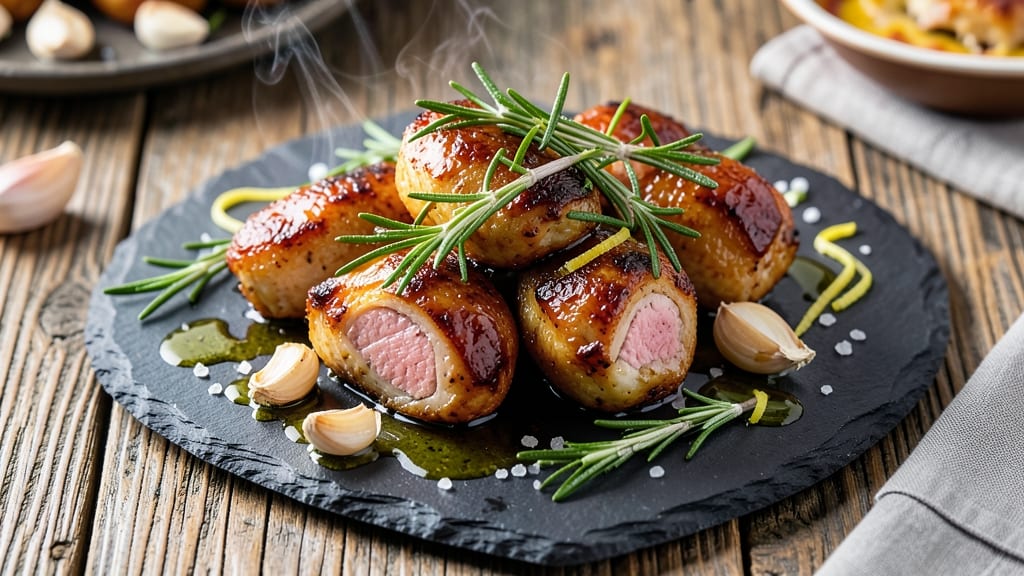
This baked chicken hearts recipe delivers crispy edges and juicy centers with minimal effort—transforming an underrated cut into a restaurant-worthy main course. 🔥 The secret lies in a simple marinade and high-heat baking that seals in moisture while creating that addictive golden crust.
I’ve perfected this technique after years of testing, and it’s now a staple in my weeknight rotation for its bold flavor and impressive presentation.
The process couldn’t be simpler: just marinate the hearts for 30 minutes, then bake at 400°F until the edges are crisp and the centers reach 165°F. No fussy techniques—just a foolproof method that yields tender, flavorful bites every time.
The marinade balances garlic, lemon, and herbs to enhance the hearts’ natural richness without overpowering their unique taste.
What you’ll end up with is a dish that’s boldly savory, with crispy exteriors that shatter at the first bite and juicy interiors that practically melt in your mouth.
The aroma alone will have everyone gathering around the table, and the visual appeal—golden, caramelized edges—makes it perfect for serving as a centerpiece or sharing with friends.
Pair these with roasted potatoes, a fresh salad, or crusty bread to soak up every last bit of flavor. The recipe scales easily, too, so whether you’re cooking for two or a crowd, this complete dish delivers impressive results with minimal fuss. Let’s get started!
Ingredients for baked chicken hearts
Bold flavors and simple prep transform humble chicken hearts into a showstopper.
| Ingredient | Amount | Notes |
|---|---|---|
| Chicken Hearts 🍗 | 1 ½ lb | Fresh or frozen, trimmed of excess fat |
| Extra-Virgin Olive Oil 🫒 | ¼ cup | For marinade and crisping |
| Garlic Cloves 🧄 | 6 cloves | Minced for marinade |
| Fresh Lemon Juice 🍋 | ¼ cup | Brightens the marinade |
| Fresh Rosemary 🌿 | ½ oz | Finely chopped, stems removed |
| Fresh Thyme 🌿 | ½ oz | Leaves only, finely chopped |
| Diamond Crystal Kosher Salt 🧂 | 1 ½ tsp | For seasoning and marinade |
| Ground Black Pepper 🌶️ | 1 tsp | Freshly cracked for heat |
| Cornstarch 🌾 | 1 tbsp | For crispy coating |
| Fresh Parsley 🌿 | ¼ cup | Chopped for garnish |
| Balsamic Vinegar 🍷 | 1 tbsp | For finishing drizzle |
The chicken hearts are the star here—fresh or high-quality frozen works best. Costco or local butchers often carry them pre-trimmed, but if you're buying whole, remove any visible fat or silver skin for cleaner bites. I always grab a pound or two extra and freeze portions for quick weeknight dinners. Look for hearts that are plump and have a rich, meaty color—avoid any with a sour or off smell, which means they've gone bad. Fresh herbs are worth the splurge for this recipe; Whole Foods or Trader Joe's have the best selection of rosemary and thyme.
No fresh rosemary? Dried works at half the amount, but it won't have the same aromatic punch. Short on lemon juice? Lime juice or apple cider vinegar both work well, though the flavor will shift slightly. The cornstarch is non-negotiable for crispy edges—arrowroot powder is a great 1:1 substitute if you're out. For a deeper marinade flavor, add 1 tsp smoked paprika or ½ tsp red pepper flakes. If you're feeling fancy, toss the hearts in 1 tbsp Dijon mustard before marinating for an extra layer of complexity.
Marinated hearts keep for 2 days in the fridge, but I recommend using them within 12 hours for peak crispiness. If you're prepping ahead, marinate and pat dry, then store uncovered on a wire rack for 30 minutes to help them crisp up faster when baking. Leftovers? These reheat beautifully—350°F for 10-12 minutes until warmed through. The crispy edges soften slightly, but the juicy centers stay intact. For extra crunch, broil for 2-3 minutes at the end.
Why You'll Love This Recipe
- Five-Ingredient Magic: I swear, this recipe is all about minimal fuss. Just hearts, oil, garlic, lemon, and rosemary—no fancy prep, no hidden steps. Honestly, I’ve made it while waiting for pasta to boil, and it still comes out perfect.
- Taste Like a Feast: That crispy exterior with tender, juicy centers? Chef’s kiss. The rosemary and lemon brighten every bite, while the garlic adds this deep, savory punch. Between us, it’s the kind of flavor that makes people ask, “What is this?”
- Leftovers That Beg for More: I’ve reheated these baked hearts twice and they’re still just as good—crispy edges, all the flavor. Toss them into salads, wrap them in toast, or just eat them straight. They’re that reliable.
- Budget Meal, Big Impact: Chicken hearts are half the cost of breasts, but they pack just as much punch. A single bag feeds my family for days, and I still get compliments. Here’s what sold me—it’s a protein powerhouse without breaking the bank.
Step-by-step instructions for baked chicken hearts
Crispy edges meet juicy centers—here's how to nail this hearty dish every time.
👨🍳 Step 1: Prep and Marinate the Hearts
Start by trimming any excess fat or connective tissue from the 1.5 lb chicken hearts using kitchen shears or a sharp knife. This ensures even cooking and prevents any bitter flavors. Pat them dry thoroughly with paper towels—moisture is the enemy of crispy edges.
In a large bowl, whisk together the 0.25 cup extra-virgin olive oil, 0.25 cup fresh lemon juice, 6 minced garlic cloves, 0.5 oz finely chopped fresh rosemary, 0.5 oz finely chopped fresh thyme, 1.5 tsp diamond crystal kosher salt, and 1 tsp freshly cracked ground black pepper. Add the chicken hearts to the marinade and turn to coat completely. Let them marinate at room temperature for at least 30 minutes (or up to 2 hours in the fridge for deeper flavor).
🍳 Step 2: Create the Crispy Cornstarch Coating
Remove the chicken hearts from the marinade, letting any excess drip off. In a separate bowl, combine the 1 tbsp cornstarch with 1 tsp additional kosher salt and ½ tsp black pepper. Toss each heart in this mixture until fully coated—you should see a thin, even layer clinging to the surface. This is what creates those irresistible crispy edges.
Real talk: Don't skip this step. The cornstarch acts like a shield, preventing the hearts from drying out while creating that perfect crunch. If you're working with frozen hearts, thaw them first and pat them completely dry before coating.
🔥 Step 3: Bake to Perfect Doneness
Preheat your oven to 425°F and position a rack in the middle position. Arrange the coated chicken hearts on a parchment-lined baking sheet in a single layer, leaving about ½ inch between each heart for even air circulation. Bake for 20-25 minutes, flipping them once halfway through, until they're deep golden brown and the internal temperature reaches 165°F when measured with an instant-read thermometer.
Here's where it gets tricky: The hearts should be crispy on the outside but still juicy inside. If they brown too quickly, tent them loosely with foil for the last 5 minutes of baking to prevent over-browning while they finish cooking through. The cornstarch coating will crisp up beautifully during this final phase.
🍽️ Step 4: Finish with Balsamic and Garnish
Remove the chicken hearts from the oven and transfer them to a serving platter. Immediately drizzle with the 1 tbsp balsamic vinegar, letting it pool slightly in the bottom of the platter. The acidity cuts through the richness and adds a beautiful glossy finish. Let them rest for 5 minutes before serving—this allows the juices to redistribute, ensuring every bite is moist.
Garnish generously with 0.25 cup chopped fresh parsley just before serving. The bright green color contrasts beautifully with the golden-brown hearts, and the parsley adds a fresh herbal note that complements the savory flavors. Serve immediately while the edges are still crisp—these hearts don't reheat well once cooled.
Pro Tips For Making Baked Chicken Hearts
- SEAR THE HEARTS FIRST: Chicken hearts need a quick sear in olive oil before baking—30 seconds per side until deeply browned. I learned this the hard way: skipping this step means they’ll steam instead of develop that crisp, caramelized crust that soaks up the garlic and rosemary.
- TRIM THE FAT, NOT THE FLAVOR: Use kitchen shears to snip off the thick white fat cap on each heart—leave the rest. That fat renders into flavor during baking, but the thick layer just makes them greasy. (Yes, even if you’re impatient, take the 2 minutes to do this properly.)
- BAKE COLD, NOT HOT: Take hearts straight from the fridge and bake at 400°F (200°C) for 20 minutes. Starting cold guarantees even cooking without over-browning the outside before the center hits 165°F. I used to pull them out pre-warmed, and they’d always end up dry.
- ZEST THE LEMON FIRST: Grate the lemon zest into the olive oil before adding hearts—it infuses faster and brightens the dish more than just squeezing juice at the end. (Bonus: save the juice for a quick glaze at the very end if you want extra shine.)
Dietary considerations for this baked chicken hearts
Gluten-Free Adaptation
The original recipe is naturally gluten-free since it relies on chicken hearts, olive oil, and herbs—but the cornstarch coating needs attention. Replace the 1 tbsp cornstarch with 1 tbsp arrowroot powder or 1 tbsp tapioca starch for a 1:1 swap that creates crispy edges without gluten.
Both alternatives work beautifully and are widely available at Whole Foods or Trader Joe's. 🌾
Low-Carb Options
This dish is already low-carb, but you can enhance it further by skipping the balsamic vinegar drizzle and using 1 tbsp lemon juice instead. The marinade already contains lemon, so this keeps flavors bright without adding carbs.
For extra richness, add 1 tbsp grass-fed butter to the marinade—it melts into the hearts during baking, creating a luscious texture. Pair with roasted Brussels sprouts or a simple side salad for a fully low-carb meal.
Dairy-Free Considerations
No dairy is used in this recipe, making it naturally suitable for those avoiding lactose. However, if you're sensitive to potential cross-contamination, ensure your cornstarch (or substitute) is processed in a dedicated facility.
I recommend Bob's Red Mill cornstarch, which is certified gluten-free and processed in a dairy-free facility. Always double-check labels if you have severe allergies. 💡
Allergen Awareness
Chicken hearts are a whole food with minimal allergens, but always verify your source if you or guests have severe allergies. The recipe contains garlic and herbs, which are common allergens for some.
For a nut-free kitchen, ensure your olive oil and balsamic vinegar are processed in nut-free facilities—brands like Primal Kitchen or Bragg are excellent choices. Keep an eye on pre-packaged cornstarch or arrowroot powder, as some brands process near nuts.
Protein-Packed Boost
Chicken hearts are one of the most protein-dense cuts you can eat—about 25 grams of protein per 3-ounce serving. To maximize this, consider adding 1 tsp smoked paprika to the marinade for a smoky depth that pairs well with high-protein diets.
For a complete meal, serve with roasted sweet potatoes or sautéed spinach, both of which add fiber and vitamins without overpowering the hearts' natural flavor.
Vegetarian Substitutes
While chicken hearts are the star here, you can create a similar texture with hearts of palm or mushrooms for a vegetarian twist. Slice 8 oz king oyster mushrooms lengthwise to mimic the shape of hearts, then marinate and coat them with the same cornstarch mixture.
Bake at 425°F for 15-20 minutes until golden and crispy. The flavor will differ, but the technique remains the same—crispy edges and juicy centers. 🌱
Nutrition facts
Frequently asked questions
Why do chicken hearts need to be trimmed before baking?
Trimming removes excess fat and connective tissue that can make the hearts taste bitter or chewy. The hearts have a natural membrane (silver skin) that needs removing for even cooking. Pat them dry afterward—this helps the cornstarch coating adhere properly for crispy edges.
Can I use frozen chicken hearts without thawing first?
No, always thaw frozen hearts first. Place them in a sealed bag in the fridge overnight or use cold water (change every 30 minutes). Never microwave—it creates uneven cooking. After thawing, pat them completely dry before marinating and coating for best results.
What if my chicken hearts turn out too dry?
Overcooking is the most likely cause. Check internal temp with a thermometer—it should read 165°F max. If they're dry, try tenting with foil for the last 5 minutes of baking next time. Also ensure you're not overcrowding the baking sheet (leave ½ inch between hearts).
How do I store leftovers?
Store in an airtight container in the fridge for up to 3 days. Reheat at 350°F for 10-12 minutes until warmed through. For extra crispiness, broil for 2-3 minutes at the end. Note: The edges may lose some crunch when reheated.
What sides pair best with baked chicken hearts?
Try roasted potatoes, garlic mashed cauliflower, or a simple arugula salad. For a heartier meal, serve with crusty bread to soak up the juices. The savory garlic-herb flavors work beautifully with earthy vegetables like Brussels sprouts or asparagus.