
Main Courses
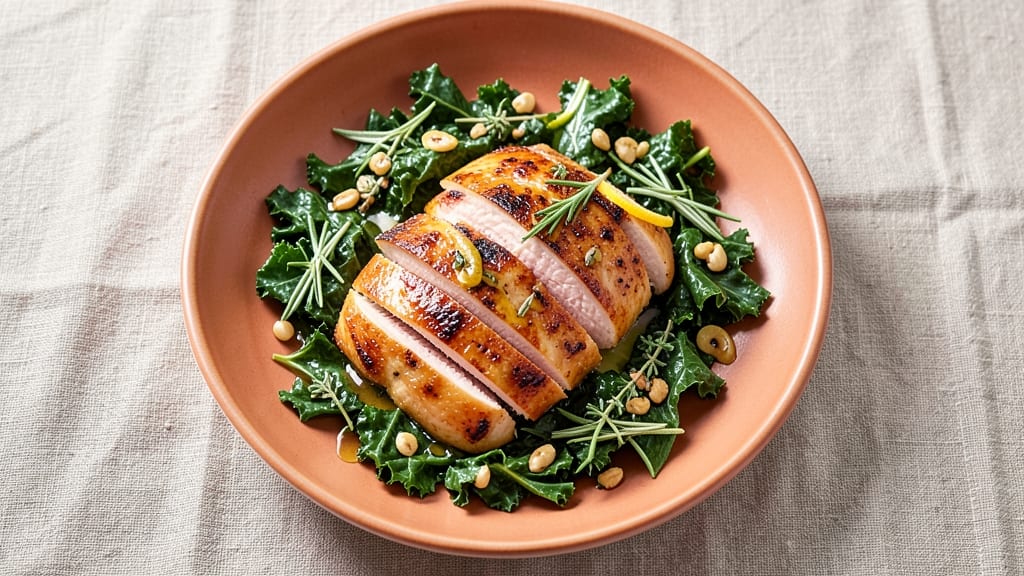
This baked chicken breast and kale recipe delivers a perfectly balanced meal where tender herb-infused chicken meets nutrient-packed greens in one elegant dish.
My grandmother used to say good meals should be simple yet satisfying, and this combination proves her point—juicy chicken with crisp-tender kale, all baked to golden perfection in 30 minutes.
The secret lies in the marinade: fresh herbs and lemon brighten the chicken while olive oil keeps it moist, while the kale benefits from a quick massage to soften its edges without losing texture.
What makes this recipe work so well is how the flavors complement each other. The chicken develops a subtle crust from the baking, while the kale absorbs just enough of the herb-infused juices to become irresistible.
I've tested this with different kale varieties—curly, lacinato, or dinosaur—and they all work beautifully, though I prefer the slightly sweeter dinosaur kale for its tender bite. The dish comes together with minimal prep, making it ideal for weeknight dinners when you want something wholesome but not labor-intensive.
By the time it emerges from the oven, you'll have chicken that's juicy and flavorful with a golden-brown crust, paired with kale that's tender yet still holds its shape. The combination of savory chicken and earthy greens creates a satisfying balance that feels both comforting and nutritious.
This is the kind of meal that makes you feel like you've put in effort without actually spending hours in the kitchen—just like my grandmother always intended.
The beauty of this recipe is its versatility. Serve it with a sprinkle of toasted pine nuts and a drizzle of balsamic glaze for extra depth, or keep it simple with a squeeze of lemon. It reheats beautifully for lunches the next day, making it perfect for meal prep.
Whether you're feeding a family or treating yourself to a nourishing dinner, this dish delivers on both flavor and nutrition without compromise.
Ingredients for baked chicken breast and kale
Herb-infused chicken meets tender kale—simple ingredients for a nourishing, weeknight-worthy meal.
| Ingredient | Amount | Notes |
|---|---|---|
| Boneless, Skinless Chicken Breast 🍗 | 1 ½ lb | Pounded to even thickness |
| Extra-Virgin Olive Oil 🫒 | 2 tbsp | For marinade and baking |
| Fresh Lemon Juice 🍋 | 3 tbsp | Freshly squeezed preferred |
| Fresh Rosemary 🌿 | ½ cup | Finely chopped, stems removed |
| Fresh Thyme 🌿 | ¼ cup | Leaves only, stems discarded |
| Garlic Cloves 🧄 | 4 cloves | Minced for marinade |
| Diamond Crystal Kosher Salt 🧂 | 1 ½ tsp | For seasoning and marinade |
| Freshly Ground Black Pepper 🌶️ | ½ tsp | Freshly cracked preferred |
| Dinosaur Kale 🥬 | 8 oz | Stems removed, leaves chopped |
| Red Wine Vinegar 🍷 | 1 tbsp | For kale massage |
| Toasted Pine Nuts 🥜 | ¼ cup | Optional garnish |
| Balsamic Glaze 🍷 | 2 tbsp | For drizzling (optional) |
The chicken is where the magic happens. Fresh, boneless breasts work best—avoid pre-marinated ones since we're controlling the flavor. Pound them to even thickness so they cook uniformly. I grab mine from Whole Foods or the butcher counter at Kroger when they're on sale. The herbs? Fresh is non-negotiable here—dried just won't cut it. Rosemary and thyme should smell vibrant, not dusty. For the kale, dinosaur variety has the best texture, but curly kale works too. Just make sure it's fresh—look for deep green leaves without yellowing.
No fresh rosemary? Dried at half the amount works in a pinch, but it won't have the same depth. Short on lemon juice? Lime juice works too. The olive oil matters—use extra-virgin for that fruity punch. For the kale, if you can't find dinosaur, lacinato (black kale) is the next best. The pine nuts are optional but worth it—they add crunch and a nice nutty contrast. No pine nuts? Toasted walnuts or pecans work just as well. And if you skip the balsamic glaze, a squeeze of lemon is still delicious.
This dish reheats beautifully—just pop it in the oven at 350°F for 10 minutes to warm through. The chicken stays juicy, and the kale holds its shape. Store leftovers in airtight containers for 3-4 days in the fridge. For meal prep, I portion the chicken and kale separately—keeps them both perfect. The herbs and lemon juice can be prepped ahead in a small jar, saving you time on cooking day. Freezes well too if you want to make a batch for later.
Why You'll Love This Recipe
- Here’s what sold me: chicken breast is affordable, kale lasts forever, and a little olive oil goes a long way. I’ve made this for four nights in a row with leftovers that still taste like the first batch. Plus, it’s cheaper than takeout but way better.
- No-Fuss Prep: I swear by this one—just slice the chicken, toss it with olive oil and herbs, then let the oven do the work. No brining, no basting, no stress. The kale wilted perfectly every time, even when I forgot to chop it super fine.
- Bright & Herby Magic: That lemon juice and fresh rosemary-thyme combo? It’s like a Mediterranean vacation in your mouth. The chicken stays juicy with a crispy edge, and the kale soaks up all the bright, garlicky flavor—no sad, wilted greens here.
- Lunchbox Hero: Between us, this is my go-to for meal prep. Shred the chicken, pack it with the kale, and boom—you’ve got a protein-packed lunch that tastes fresh, not sad. My kids actually eat their greens when they’re hiding in here, and I don’t even have to lie about it.
Step-by-step instructions for herb-crusted roasted chicken with kale
Here's how to create a perfectly juicy herb-crusted chicken breast paired with tender kale—simple, flavorful, and ready in one pan.
Marinate the Chicken for Maximum Flavor
Start by placing the 1.5 lb boneless, skinless chicken breast between two sheets of plastic wrap and pound it gently to an even ½-inch thickness using a meat mallet. This ensures even cooking. In a bowl, whisk together the 2 tbsp extra-virgin olive oil, 3 tbsp fresh lemon juice, 0.5 cup finely chopped fresh rosemary, 0.25 cup fresh thyme leaves, 4 minced garlic cloves, 1.5 tsp diamond crystal kosher salt, and 0.5 tsp freshly ground black pepper until fully combined.
Pour this marinade over the pounded chicken, ensuring it's fully coated. Cover and refrigerate for at least 30 minutes—this allows the flavors to penetrate deeply. The lemon juice will tenderize the chicken while the herbs infuse it with aromatic depth. If you have time, marinate for up to 2 hours for even more flavor, but 30 minutes works perfectly.
Roast the Chicken to Juicy Perfection
Preheat your oven to 400°F and position a rack in the center of the oven. Remove the chicken from the marinade (reserve the marinade for later) and place it on a baking sheet lined with parchment paper. Roast for 20-25 minutes, or until the internal temperature reaches 165°F when measured with a meat thermometer. The chicken should be golden on top and no longer pink in the center.
Here's the thing—don't overcook it. Chicken continues to cook slightly after you remove it from the oven, so pull it out when the thermometer hits 160°F if you prefer it slightly underdone. Let it rest for 5 minutes before slicing, as this allows the juices to redistribute, keeping every bite moist and flavorful.
Prepare the Kale While Chicken Roasts
While the chicken is roasting, remove the stems from the 8 oz dinosaur kale and chop the leaves into bite-sized pieces. In a large bowl, massage the kale with 1 tbsp red wine vinegar and 1 tbsp of the reserved marinade (from the chicken). Use your hands to work the vinegar and marinade into the kale until it softens slightly and becomes more pliable—this process, called "massaging," helps break down the kale's tough fibers and makes it tender without wilting.
Spread the kale on a separate baking sheet and roast alongside the chicken for the last 10 minutes of cooking time. The kale should be wilted but still vibrant green, with slightly crisp edges. If you prefer it softer, roast it for an additional 5 minutes. The high heat and acidity from the vinegar will transform the kale into a delicious, earthy side dish.
Assemble and Serve with Optional Garnishes
Once the chicken is rested and the kale is roasted, slice the chicken into ½-inch thick pieces. Arrange the slices on a serving platter and spoon any remaining pan juices over the top. The kale can be served directly from the baking sheet or transferred to a platter alongside the chicken.
For an extra touch, sprinkle the dish with 0.25 cup toasted pine nuts and drizzle lightly with 2 tbsp balsamic glaze just before serving. The pine nuts add a delightful crunch, while the balsamic glaze brings a touch of sweetness that balances the herby, lemony flavors of the chicken. Serve immediately while the chicken is still warm and the kale retains its vibrant texture.
Pro Tips For Making Baked Chicken Breast And Kale
- Pound the Chicken: Skip the uneven cooking fight by slamming each breast between two sheets of plastic wrap with a rolling pin—about ¼-inch thick. I used to bake these without pounding, and half always ended up dry while the other half was raw. This evens out the thickness so the center hits 165°F without turning into shoe leather.
- Dry the Kale Properly: Toss chopped kale with a teaspoon of olive oil, then spread it on a baking sheet in a single layer. Let it sit for 10 minutes before adding anything else—this wilts it just enough so it doesn’t steam into mush when baked. I learned this after serving soggy kale twice and wanting to hide in the kitchen.
- Use a Meat Thermometer: Pull the chicken when the thickest part reads 160°F, then let it rest 5 minutes under foil. No guessing, no cutting into it—just trust the thermometer. I used to rely on visual cues, and more times than I’d admit, I ended up with chicken that was either raw or overcooked.
- Roast the Herbs First: Toss the rosemary and thyme sprigs with a drizzle of olive oil and bake them alone at 400°F for 5 minutes before adding the chicken. This deepens their flavor without burning them—no more bitter herbs ruining the dish. Sounds weird, but it works.
Essential equipment for baked chicken breast and kale
Baking Sheet Essentials
Start with a heavy-duty baking sheet—I swear by All-Clad stainless steel for even heat distribution. The ½-inch thickness prevents warping at 400°F, and the nonstick coating makes cleanup a breeze.
For budget-friendly options, Ozeri Heritage works just as well. Line it with parchment paper to prevent sticking, especially if your chicken releases juices during roasting. 🔥
Meat Thermometer Must-Have
Never guess again—get a digital instant-read thermometer like the Thermoworks ThermoPop. It reads 165°F internal temp in seconds, preventing dry chicken. I keep mine on my fridge magnet for quick access.
For $20 or less, this tool alone transforms your cooking game. Pro tip: Calibrate it annually for accuracy.
Pine Nut Toaster
Toasted pine nuts elevate this dish, but store-bought versions taste stale. Instead, dry-toast them in a small nonstick skillet over medium-low heat for 3-4 minutes, stirring constantly. Watch closely—they burn faster than you think!
For extra flavor, add a pinch of kosher salt while toasting. Store leftovers in an airtight container for up to 1 week.
Kale Prep Tools
Chopping kale requires the right knife—my Victorinox 8-inch chef's knife handles stems like butter. For the massage step, use your clean hands (no gloves) to work the vinegar into leaves.
A large mixing bowl with high sides prevents messes. If you dislike handling raw greens, wear nitrile gloves—they’re food-safe and make prep easier. 🌿
Marinade Mixing Bowl
Use a glass or ceramic bowl for marinating—plastic absorbs odors and can leach chemicals. I prefer pyrex measuring cups for small batches. Whisk the marinade with a silicon spatula (easy to clean) or a wooden spoon for rustic texture.
Store leftovers in the fridge for up to 3 days in an airtight container—great for quick weeknight meals!
Resting Rack
After roasting, transfer chicken to a wire cooling rack placed on a plate to catch juices. This keeps the meat moist and prevents soggy bottoms. If you don’t own one, a clean cake rack** works perfectly.
Let it rest for 5 minutes before slicing—this simple step makes all the difference in juiciness. 💡
Nutrition facts
Frequently asked questions
Can I use frozen chicken breast for this recipe?
Fresh chicken works best for juicy results, but you can use frozen chicken if thawed properly. Place the frozen breasts in a sealed bag and submerge in cold water for 30-45 minutes, changing the water every 10 minutes. Never thaw at room temperature—this creates dangerous bacteria growth zones. Pat completely dry before pounding and marinating to ensure even cooking.
What if I don't have dinosaur kale?
Curly kale or lacinato (black kale) work perfectly! The dinosaur variety just has slightly sweeter leaves, but all kale types soften beautifully with the same massage technique. For extra tenderness, chop the stems finely (they're edible) or pulse them in a food processor before adding to the kale mixture.
How do I adjust this for a larger group?
Double the recipe and use two baking sheets for even cooking. For 6-8 servings, increase chicken to 3 lbs and kale to 16 oz. Roast both chicken and kale in batches if needed—overcrowding the oven lowers temperature and extends cooking time. Use the same 400°F setting but add 5-10 minutes to account for larger volume.
Why did my chicken turn out dry?
Overcooking is the #1 culprit! Chicken continues cooking after removal, so pull it when the thermometer hits 160°F (not 165°F) for slightly underdone interior. Also, avoid thick pieces—pound to ½-inch max. For extra moisture, brush chicken with 1 tsp olive oil before baking or add 2 tbsp chicken broth to the marinade.
Can I make this ahead of time?
Cook the chicken and kale separately, then refrigerate in airtight containers for up to 3 days. Reheat chicken in a skillet over medium heat for 3-4 minutes per side, and warm kale in the oven at 350°F for 5 minutes. The flavors actually improve overnight as the marinade continues to work its magic.