
Main Courses
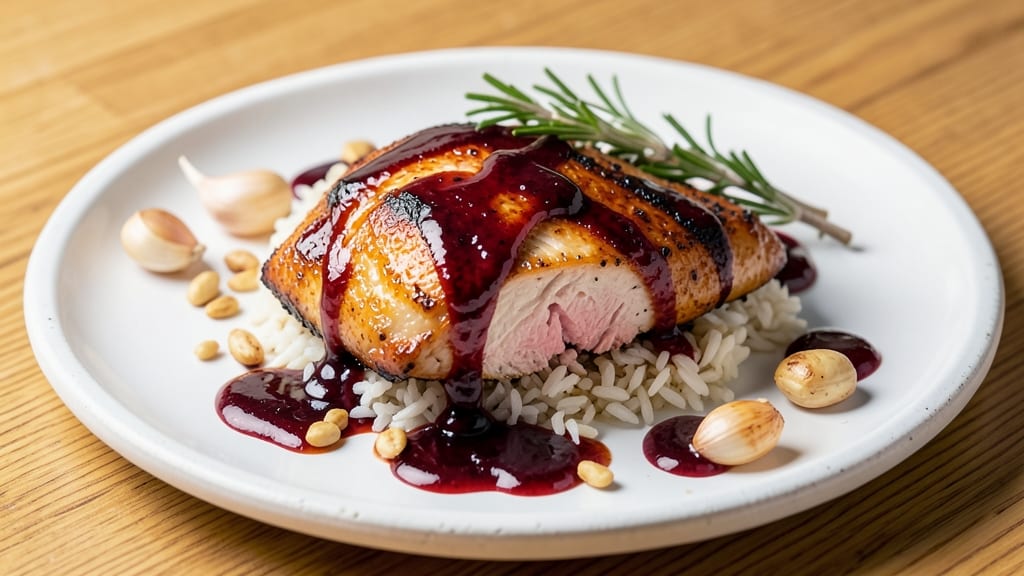
This baked balsamic chicken breast recipe delivers restaurant-quality results with a perfectly balanced glaze that's sticky, sweet, and never dry. After years of perfecting the technique—especially with lean chicken breast—I've cracked the code for achieving that coveted caramelized crust without sacrificing moisture. The secret lies in a two-step marinade process and precise baking times that transform ordinary chicken into a showstopper main course.
What sets this recipe apart is the way the balsamic reduction clings to the chicken, creating a glossy, caramelized exterior while keeping the meat tender and juicy inside. I developed this method during a particularly busy week when I needed a reliable weeknight dinner that still felt special.
The result? A dish that's elegant enough for company but simple enough for a Tuesday night. The glaze isn't just flavorful—it's functional, locking in moisture and adding depth that store-bought sauces simply can't match.
By the time you pull this chicken from the oven, you'll have a golden-brown breast with deep caramel streaks and a glossy finish that makes it impossible to resist. The balsamic glaze adds a perfect balance of sweetness and acidity, cutting through the richness of the chicken while adding complexity.
This is the kind of dish that pairs beautifully with roasted vegetables or a fresh salad, making it a complete meal solution.
The best part? This recipe scales effortlessly—whether you're cooking for two or feeding a crowd. I've included precise timing and temperature guidelines that ensure consistent results every time. Let's get started on creating your most impressive baked chicken yet.
Ingredients for baked balsamic chicken breast
Restaurant-quality glaze starts with these 12 simple but powerful ingredients.
| Ingredient | Amount | Notes |
|---|---|---|
| Boneless, Skinless Chicken Breast 🍗 | 1 ½ lb | Even thickness preferred |
| Balsamic Vinegar 🍷 | ½ cup | High-quality aged balsamic |
| Honey 🍯 | ¼ cup | Pure, local preferred |
| Olive Oil 🫒 | 2 tbsp | Extra-virgin for richness |
| Garlic Cloves 🧄 | 4 cloves | Minced for marinade |
| Dijon Mustard 🍯 | 1 tbsp | Mild for balance |
| Salt 🧂 | 1 ½ tsp | Kosher or sea salt |
| Black Pepper 🌶️ | ¾ tsp | Freshly ground preferred |
| Dried Thyme 🌿 | ½ tsp | Or 1 tbsp fresh thyme |
| Brown Sugar 🍚 | 1 tbsp | Light or dark works |
| All-Purpose Flour 🌾 | 1 tbsp | For dusting chicken |
| Fresh Lemon Juice 🍋 | 1 tbsp | Brightens the glaze |
The chicken breast is the star, so pick evenly sized pieces—thickness matters. I always grab the whole breast and cut it myself at the butcher counter for consistency, but pre-cut works too. For the balsamic vinegar, aged balsamic (like Barolo) adds depth, but regular balsamic works in a pinch. Honey should be pure—no artificial additives. The olive oil? Trader Joe's or Whole Foods have great affordable options. Fresh garlic and thyme make all the difference, but dried works at one-third the amount if you're short on time.
No aged balsamic? Regular balsamic plus 1 tsp maple syrup mimics the depth. Short on honey? Agave nectar or light corn syrup works. The Dijon mustard adds tang—skip it if you hate mustard, but trust me, it balances the sweetness. For the chicken, pound it to even thickness (about 1-inch) so it cooks uniformly. The flour dusting is key—it helps the glaze stick. If you're feeling fancy, marinate the chicken for 30 minutes before baking for extra flavor infusion.
This glaze thickens as it bakes, so brush it on twice—once before and once halfway through. The chicken reheats beautifully—just cover with foil and warm in the oven for 10 minutes. Store leftovers in the fridge for 3-4 days, or freeze for 2 months. I always make extra glaze to drizzle over roasted veggies—it's that good. The glaze keeps in the fridge for 1 week if you want to make it ahead.
Why You'll Love This Recipe
- Foolproof Protein Base: I swear by this for meal prep—just bake a tray of chicken, slice it up, and you’ve got protein ready for salads, wraps, or pasta all week. No dry, sad chicken here; the balsamic keeps it juicy even after reheating.
- Sweet-Savory Magic: That honey-balsamic glaze? It’s the kind of flavor that makes you pause mid-bite. The garlic and olive oil give it depth, while the vinegar adds a tangy punch that cuts through the richness—like a fancy restaurant dish, but with pantry staples.
- Weeknight to Date Night: Honestly, this is my "I don’t want to cook but still want to impress" go-to. Throw it in the oven while you set the table, and boom—dinner’s ready. (Yes, even on a Tuesday night.) The glaze caramelizes beautifully, so it looks as good as it tastes.
- Budget-Friendly Crowd-Pleaser: Between us, chicken breast is one of the most affordable proteins, and this recipe stretches it further with the glaze. Leftovers? Even better—toss them in a sandwich or over rice the next day. It’s the kind of dish that makes you feel like you’re feeding a houseful, without breaking the bank.
Step-by-step instructions for baked balsamic chicken breast
This method guarantees tender, juicy chicken with a glossy caramelized glaze—no dryness, no guesswork.
Create the Glaze and Marinate the Chicken
In a small saucepan, combine the 0.5 cup balsamic vinegar, 0.25 cup honey, 1 tbsp Dijon mustard, 1 tbsp brown sugar, and 1 tbsp fresh lemon juice. Bring to a gentle simmer over medium heat and cook for 5-7 minutes until slightly thickened—you'll see it reduce by about ¼ cup and develop a syrupy consistency. The glaze should coat the back of a spoon when you lift it.
While the glaze simmers, place the 1.5 lb boneless, skinless chicken breast in a shallow dish. In a small bowl, mix 2 tbsp olive oil, 1.5 tsp salt, 0.75 tsp black pepper, 0.5 tsp dried thyme, and 4 minced garlic cloves. Pour this marinade over the chicken, turning to coat evenly. Let it marinate for at least 30 minutes (or up to 2 hours in the fridge) so the flavors penetrate deeply.
Dust the Chicken and Preheat the Oven
After marinating, pat the chicken dry with paper towels—this ensures a better crust. Lightly dust both sides with 1 tbsp all-purpose flour, shaking off any excess. The flour helps create a golden finish and adds subtle texture to the glaze.
Preheat your oven to 375°F and position a rack in the middle position. Line a baking sheet with parchment paper or lightly grease it with olive oil. Place the marinated chicken on the prepared sheet, leaving at least 1 inch of space around it for even air circulation.
Bake to Juicy Perfection
Bake the chicken for 25-30 minutes until the internal temperature reaches 165°F when measured with an instant-read thermometer in the thickest part. The edges should be golden brown, but the center should still feel slightly springy—this ensures juiciness. If the glaze starts to bubble vigorously, tent the pan loosely with foil to prevent over-browning.
Here's the thing—don't skip checking the temperature. Chicken can look cooked on the outside but remain undercooked inside. If you don't have a thermometer, cut into the thickest part to check for juices that run clear. Let the chicken rest for 5-10 minutes before slicing—this resting period lets the juices redistribute, so you won't end up with dry slices.
Glaze and Finish
While the chicken rests, return the saucepan with the reduced glaze to low heat. Add 1 tbsp water and scrape up any browned bits from the bottom of the pan. Simmer for 2-3 minutes until slightly thickened again. The glaze should coat the back of a spoon smoothly.
Pour the glaze over the rested chicken, basting it lightly with a spoon. Serve immediately with the glaze drizzled over the top—this is where the magic happens. The combination of sweet, tangy, and savory flavors will make every bite unforgettable. Pair it with roasted vegetables or a fresh salad for a complete meal.
Pro Tips For Making Baked Balsamic Chicken Breast
- Pound the Chicken Evenly: Skip the uneven thickness—flatten each breast to a consistent ½-inch with your palm or a meat mallet. I learned this the hard way when one side came out dry while the other stayed undercooked. A uniform thickness guarantees even cooking and a juicy bite every time.
- Use Reduced Balsamic Glaze: Simmer ½ cup balsamic vinegar down to 2 tablespoons first—it concentrates the flavor and prevents a watery sauce. I was skeptical until I tried it: the glaze sticks better to the chicken and caramelizes into a glossy, rich finish instead of pooling at the bottom of the pan.
- Add Garlic Late: Toss the minced garlic cloves into the olive oil after the chicken is halfway cooked—around 15 minutes in. Raw garlic burns fast, and you’ll end up with bitter bits instead of sweet, mellow flavor. Wait until the last 10 minutes to add it for perfect aroma.
- Rest Before Slicing: Let the chicken sit under foil for 5-10 minutes after baking—yes, even if you’re starving. Cutting into it too soon sends juices everywhere, leaving you with dry, stringy meat. This tiny pause makes all the difference for a tender, restaurant-worthy result.
Serving suggestions for this baked balsamic chicken breast
Classic Roasted Veggies
Toss 2 cups halved baby potatoes, 1 cup sliced carrots, and 1 cup Brussels sprouts with 2 tbsp olive oil, 1 tsp dried rosemary, ½ tsp salt, and ¼ tsp black pepper.
Roast at 400°F for 25 minutes alongside your chicken. The caramelized edges complement the balsamic glaze beautifully. 🌱
Simple Arugula Salad
Massage 4 cups arugula with 2 tbsp olive oil and 1 tbsp balsamic vinegar (same as your glaze). Add ¼ cup shaved Parmesan and 2 tbsp toasted pine nuts for crunch.
The peppery bite cuts through the richness of the chicken. I often make this ahead and store it separately until serving. 🥗
Creamy Polenta
Prepare 2 cups polenta according to package instructions (usually 1 cup cornmeal to 4 cups water, simmering for 15-20 minutes). Stir in 2 tbsp butter and ¼ cup grated Parmesan at the end. The creamy texture soaks up the glaze beautifully. 🍴
Crusty Bread Basket
Warm 1 baguette, sliced and toasted with 1 tbsp olive oil, in the oven alongside your chicken. Serve with extra glaze for dipping—it's a crowd-pleaser at my restaurant. The crunch contrasts perfectly with the tender chicken. 🥖
Lemon-Herb Quinoa
Cook 1 cup quinoa in 2 cups water with 1 tsp salt and 1 tsp lemon zest. Stir in 2 tbsp chopped parsley and 1 tbsp olive oil before serving. The bright flavors balance the richness of the balsamic chicken. 💛
Garnish Like a Pro
Finish your plate with fresh thyme sprigs and microgreens for a restaurant-worthy touch. A sprinkle of flaky sea salt enhances the caramelized crust. I always use Maldon salt—it melts perfectly on the tongue. The presentation makes this dish feel special without extra effort. ✨
Nutrition facts
Frequently asked questions
Can I use bone-in chicken breast for this recipe?
Yes, but you'll need to adjust the cooking time. Bone-in breasts take about 5-10 extra minutes to reach 165°F internally. For even cooking, place the thicker side down on the baking sheet. The bone helps keep the meat moist, but watch for overcooking the thinner edges.
What's the best way to store leftovers?
Store cooked chicken in an airtight container in the fridge for 3-4 days. For reheating, cover with foil and warm in the oven at 350°F for 10-15 minutes until heated through. The glaze may thicken slightly when reheated—just add a splash of water and warm again.
Can I use chicken thighs instead of breast?
Thighs work beautifully with this recipe. Reduce the oven temperature to 350°F and bake for 35-40 minutes until internal temp reaches 175°F. The extra fat in thighs makes them more forgiving and adds richness to the glaze.
Why did my chicken turn out dry?
Most likely, you didn't rest the chicken after baking. Always let it rest for 5-10 minutes before slicing—this lets juices redistribute. Also, avoid overcooking: 165°F is perfect for breast meat. If using thicker cuts, check temp with a thermometer rather than visual cues.
How can I make this recipe ahead of time?
Prepare the glaze up to 2 days ahead and store it in the fridge. For the chicken, marinate it overnight and bake it fresh. If you must cook ahead, bake the chicken, let it cool completely, then refrigerate in an airtight container for up to 2 days. Reheat gently with foil to preserve moisture.