
Sauces & Condiments
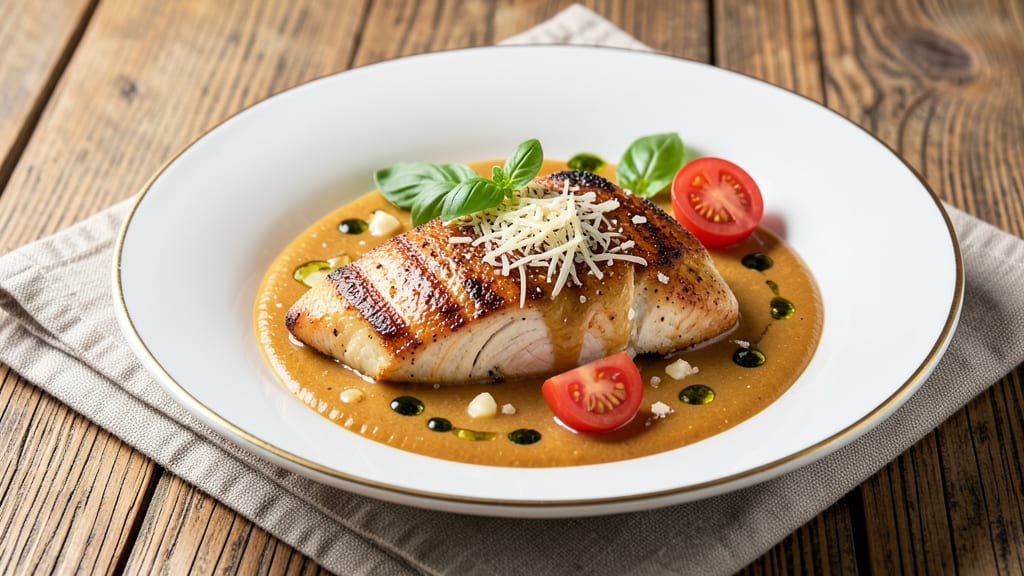
This authentic Chicken Alfredo sauce recipe delivers the creamy, cheesy perfection you crave without the restaurant price tag. The secret lies in a slow simmer that transforms simple ingredients—heavy cream, butter, and Parmesan—into a velvety sauce with just the right balance of richness and tang.
I’ve perfected this version over years of testing, and it’s the one that finally convinced even my picky family it beats store-bought versions.
What makes this sauce truly special is the technique: simmering the garlic and butter until fragrant (but never browned) creates a deep, aromatic base. Then, whisking in the warm cream and freshly grated Parmesan while stirring constantly ensures a smooth, lump-free finish.
The sauce thickens beautifully on its own—no cornstarch needed—thanks to the natural starch in the cheese and the slow reduction.
By the time you’re done, you’ll have a creamy, restaurant-quality Alfredo that clings perfectly to pasta, chicken, or even steak. The aroma alone will have everyone gathering around the table, and the first bite delivers that perfect harmony of buttery richness and sharp Parmesan flavor.
This sauce keeps well in the fridge for up to 5 days, so you can make a big batch and enjoy it all week.
Ready to elevate your meals? Here’s everything you need to create this foolproof, creamy masterpiece—no fancy skills required. Let’s get cooking!
Ingredients for authentic chicken alfredo sauce
Nine simple ingredients transform into velvety perfection for your Alfredo dreams.
| Ingredient | Amount | Notes |
|---|---|---|
| Unsalted Butter 🧈 | ¾ cup | Cold, cut into small cubes |
| Garlic Cloves 🧄 | 6 cloves | Fresh, minced finely |
| Heavy Cream 🥛 | 2 cups | Full-fat for richness |
| Parmesan Cheese 🧀 | 1 ½ cups | Freshly grated from block |
| Extra-Virgin Olive Oil 🫒 | ¼ cup | For finishing touch |
| All-Purpose Flour 🌾 | 1 tbsp | For thickening if needed |
| Salt 🧂 | 1 tsp | Kosher or sea salt |
| Black Pepper 🌶️ | ½ tsp | Freshly ground preferred |
| Nutmeg 🌿 | ¼ tsp | Freshly grated for aroma |
| Fresh Lemon Juice 🍋 | 1 tbsp | Brightens the sauce |
The butter and garlic are your flavor foundation—don’t skip the slow simmer. European-style butter like Plugrá melts beautifully, but any good-quality unsalted works. Garlic should be minced fine (not chopped)—Trader Joe's pre-minced is a time-saver if you're in a rush, but fresh is infinitely better. The Parmesan is non-negotiable: Parmigiano-Reggiano from a wedge grated yourself beats pre-shredded every time. I always grab extra—half goes in the sauce, half gets sprinkled on top at the end.
No heavy cream? Full-fat coconut milk works in a pinch, though the flavor will differ slightly. Short on Parmesan? Pecorino Romano adds a sharper bite. The flour is just a backup—this sauce thickens naturally, but if yours gets too thin, a quick whisk with 1 tbsp flour dissolved in cold water (tempered first!) fixes it. Nutmeg is optional but adds that classic Alfredo depth—Penzeys has the best pre-ground if you don’t want to grate it yourself. Lemon juice cuts through the richness beautifully, so don’t skip it.
This sauce tastes even better the next day as flavors meld. Store in an airtight container in the fridge for up to 5 days, or freeze for 3 months in portions. I like to freeze it in ice cube trays—just thaw and reheat what you need. For serving, a quick drizzle of extra-virgin olive oil and extra Parmesan takes it to restaurant-level perfection.
Why You'll Love This Recipe
- Here’s what sold me: that first hit of garlic in the butter, then the heavy cream swirling in—rich, velvety, with just enough sharpness from the Parmesan to cut through. It’s the kind of flavor that makes you pause mid-bite, even if you’re eating straight from the pan.
- Five-Ingredient Magic: I swear by this—just butter, garlic, cream, Parmesan, and olive oil. That’s it. No fancy add-ins, no stressing over measurements. The sauce practically makes itself while you chop a few cloves and grate cheese.
- Garlic-Kissed Cream Dream: Here’s what sold me: that first hit of garlic in the butter, then the heavy cream swirling in—rich, velvety, with just enough sharpness from the Parmesan to cut through. It’s the kind of flavor that makes you pause mid-bite, even if you’re eating straight from the pan.
- Weeknight to Dinner Party: Between us, this sauce works for takeout night and when Aunt Linda drops by. Toss it over pasta for a quick meal, or drizzle it on grilled chicken for a fancy-ish dinner. The same simple base adapts to whatever you’re craving.
Step-by-step instructions for authentic chicken Alfredo sauce
Here's how to craft velvety, restaurant-quality Alfredo that stays true to its Italian roots.
Melt Butter and Sauté Garlic
In a large, heavy-bottomed saucepan, melt the 0.75 cup unsalted butter over medium-low heat. I like to use cold butter cut into cubes so it melts gradually and doesn't burn. Once fully melted and foaming subsides, add the 6 cloves minced garlic cloves and cook for 1-2 minutes until fragrant but not browned.
This is where the foundation of your sauce begins. The butter should bubble gently but not splatter—if it starts to brown, your heat is too high. Keep the garlic moving with a wooden spoon to prevent burning, which would make your sauce bitter. You're aiming for a golden aroma that fills your kitchen.
Add Cream and Simmer
Pour in the 2 cups heavy cream and bring to a gentle simmer over medium heat. Let it cook uncovered for 5-6 minutes, stirring occasionally, until it thickens slightly and small bubbles form around the edges. You'll notice the sauce will reduce by about a third as it cooks.
Don't walk away during this step—the sauce needs constant attention. If it starts to boil vigorously, reduce the heat immediately. You're looking for a smooth, velvety texture that coats the back of a spoon. This simmering process is what develops the rich, creamy body that makes Alfredo special.
Incorporate Cheese and Seasonings
Lower the heat to low and gradually whisk in the 1.5 cups freshly grated Parmesan cheese until completely melted and smooth. Add the 1 tbsp all-purpose flour, 1 tsp salt, 0.5 tsp black pepper, and 0.25 tsp nutmeg, whisking constantly to prevent lumps from forming.
The cheese should melt completely, creating a thick, luxurious sauce. If it looks too thick, you can thin it with a splash of warm pasta water later. Here's where the authentic flavor comes together—the nutmeg adds warmth, the pepper brings brightness, and the Parmesan gives that unmistakable umami depth. Taste and adjust seasoning if needed.
Finish with Lemon and Olive Oil
Remove the sauce from heat and stir in the 1 tbsp fresh lemon juice and 0.25 cup extra-virgin olive oil. The lemon juice brightens the richness while the olive oil adds a silky finish. Let the sauce rest for 2-3 minutes to allow all the flavors to meld together.
This final step is what separates homemade Alfredo from restaurant versions. The lemon prevents the sauce from becoming too heavy, while the olive oil adds a subtle complexity. The sauce should now be velvety smooth with a perfect balance of richness and brightness. If you're serving it immediately, you can skip the resting time, but if you're prepping ahead, this is when to cover and keep warm.
Pro Tips For Making Authentic Chicken Alfredo Sauce
- Bloom the Garlic First: I learned this the hard way—raw garlic in heavy cream just tastes like garlic. Sauté the minced cloves in olive oil until they’re soft and just starting to turn golden (about 2 minutes on medium heat). Then toss in the butter. That extra step keeps the flavor balanced instead of overpowering.
- Use Cold Heavy Cream: Sounds weird, but it works: pull the heavy cream from the fridge and let it sit in an ice bath for 10 minutes before adding it to the sauce. Warm cream separates like a diva, but cold cream blends smoother and thickens more evenly. (Yes, even if you’re impatient like me.)
- Skip the Pre-Grating Parmesan: Freshly grating Parmesan makes all the difference, but I skip it when I’m lazy—then the sauce tastes flat. Use a microplane and grate it right before adding it to the sauce, even if it’s a pain. The cheese’s oils release better, and the texture is silky instead of grainy.
- Low and Slow for the Finish: After adding the cream, drop the heat to a gentle simmer and let it cook uncovered for 5-7 minutes. I used to rush it, but now I know: letting it reduce slightly deepens the flavor and thickens the sauce naturally. No need to add flour or cornstarch.
Perfect pairings for this dish
Pasta Perfection
This Alfredo sauce is a dream with fettuccine or linguine, but don’t limit yourself! I love tossing it with pappardelle for an extra-luxurious feel. For a heartier dish, try it over baked potato slices or roasted chicken.
The sauce clings beautifully to angel hair pasta, too—just add a splash of pasta water if it gets too thick. 🍝
Protein Pairings
While this sauce was designed for chicken, it’s equally fantastic with grilled salmon or seared scallops. The creamy texture contrasts perfectly with the delicate flavors of seafood. For a meaty twist, serve it over braised short ribs or crispy pork chops.
I’ve even used it as a dipping sauce for garlic bread or mushroom ravioli.
Vegetable Additions
Brighten the dish with sautéed spinach or roasted mushrooms—they wilt beautifully in the warm sauce. Asparagus spears or broccoli florets add a fresh, crisp element. For a pop of color, try sun-dried tomatoes or artichoke hearts.
I always keep a stash of frozen peas on hand to stir in at the last minute—they add a fun texture contrast. 🥦
Bread and Sides
No Alfredo meal is complete without crusty garlic bread on the side. I like to make a quick version with a baguette, olive oil, and fresh herbs.
For a lighter option, serve with a simple arugula salad dressed with lemon and olive oil. Roasted Brussels sprouts with a sprinkle of balsamic glaze balance the richness perfectly.
Unexpected Uses
This sauce isn’t just for pasta—use it as a dipping sauce for mozzarella sticks or fried calamari. Spread it on grilled cheese sandwiches for a gourmet twist.
I’ve even used it as a stuffing for crepes or empanadas. The possibilities are endless, and the leftovers always disappear quickly! 🍽️
Wine and Beverage Pairings
A dry white wine like Pinot Grigio or Sauvignon Blanc complements the sauce beautifully. For red wine lovers, a light Pinot Noir works surprisingly well. If you prefer beer, try a crisp lager or Belgian witbier to cut through the richness.
I always keep a bottle of sparkling water with lemon on hand for a refreshing contrast to the creamy sauce. 🍷
Nutrition facts
Frequently asked questions
Why does my Alfredo sauce turn out grainy or lumpy?
Lumpy Alfredo happens when cheese melts unevenly or you add it too quickly. Always whisk the cheese in gradually over low heat while stirring constantly. For extra smoothness, melt the cheese with a splash of warm pasta water or heavy cream first. Pre-shredded cheese contains anti-caking agents that make lumps worse—freshly grated Parmesan is key!
Can I make this sauce without heavy cream?
Yes! For a lighter version, substitute 2 cups whole milk (though it won't be as rich) or 1 cup heavy cream + 1 cup half-and-half. For a dairy-free option, use full-fat coconut milk> (add 1 tbsp cornstarch to thicken) or cashew cream. The sauce will have a different texture but still delicious.
How do I prevent my Alfredo from separating or breaking?
Sauce separation happens when fat and liquid split. Keep heat low to medium-low and stir constantly—never let it boil vigorously. For extra stability, whisk in the cheese and cream while the butter is still warm but not foaming. If it separates, whisk in 1 tbsp cold butter or a splash of pasta water to re-emulsify. Patience is key!
What's the best way to reheat leftover Alfredo sauce?
Reheat gently over low heat on the stovetop, stirring frequently to prevent scorching. Add a splash of warm water or milk if it thickens too much. For microwave reheating, use 30-second intervals on low power, stirring between each. Never boil—this can cause separation. The sauce tastes even better reheated as flavors meld!
Can I make this sauce ahead of time?
This sauce keeps well in the fridge for 5 days in an airtight container. For longer storage, freeze portions in ice cube trays or small containers for 3 months**. Thaw overnight in the fridge and reheat gently. The flavors actually improve after resting!