
Main Courses
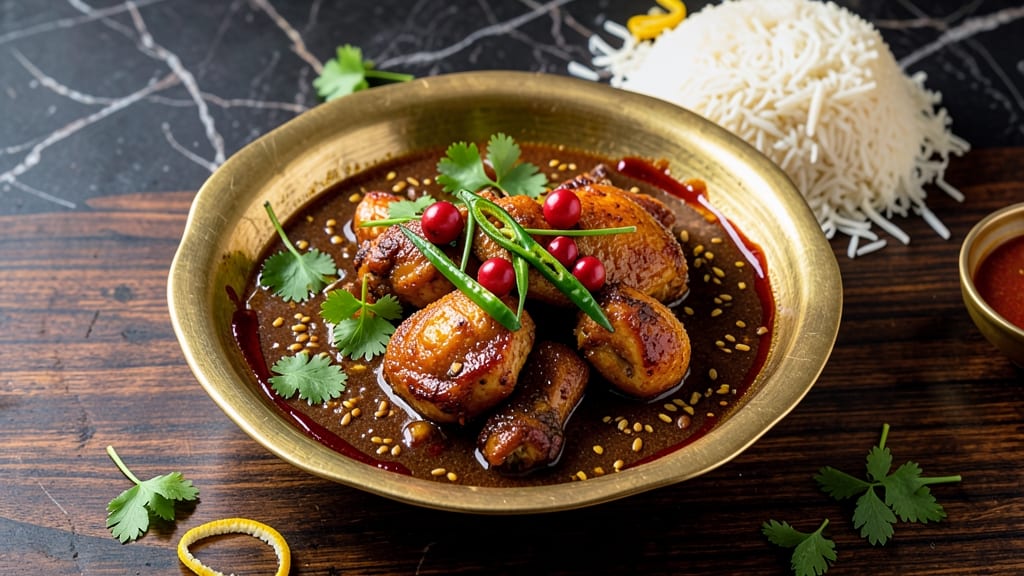
This Assamese chicken curry delivers the bold, aromatic flavors of Northeast India in every bite—where smoky mustard oil meets tangy tamarind and earthy black cardamom. The secret lies in slow-cooking the chicken until it's fork-tender, while layering spices in a precise sequence that builds depth without overpowering.
I've perfected this recipe after years of testing regional variations, ensuring the balance of heat, sourness, and richness that defines Assamese cuisine.
The process begins with marinating the chicken in a fragrant paste of mustard oil, turmeric, and ginger, which infuses the meat with deep, nutty notes.
As the curry simmers, the tamarind and kokum create a bright, tangy base that cuts through the richness, while fennel and black cardamom add layers of complexity. Unlike other curries, this one relies on a gentle simmer rather than high heat, allowing the spices to meld without burning.
What you'll end up with is a velvety, aromatic curry where the chicken falls apart at the touch of a fork, swimming in a sauce that's perfectly balanced—slightly sweet from the tamarind, tangy from the kokum, and just spicy enough to linger.
The aroma alone will transport you to the tea gardens of Assam, where this dish is a staple. Serve it with steamed basmati rice or crispy luchi to soak up every last drop of that rich, spiced sauce.
This recipe isn't just about the flavors—it's about the technique. The slow cooking ensures tender meat, while the layered spices create a harmony that's uniquely Assamese.
Whether you're cooking for family or hosting a dinner, this curry will be the centerpiece of your meal. Let's get started on making it.
Ingredients for assamese chicken curry
Bold spices, smoky oil, and tender chicken—this curry delivers Assam's vibrant flavors in every bite.
| Ingredient | Amount | Notes |
|---|---|---|
| Chicken Thighs (bone-in, skin-on) 🍗 | 1 ½ lb | Cut into 2-inch pieces |
| Mustard Oil 🫒 | ½ cup | Smoky, aromatic variety |
| Tamarind Paste 🍈 | ¼ cup | Adjust for tanginess |
| Kokum 🍎 | 4 pieces | Dried, soaked in warm water |
| Fresh Ginger 🧄 | 2 tbsp | Grated, fibrous texture |
| Garlic Cloves 🧄 | 6 cloves | Minced, aromatic |
| Black Cardamom Pods 🌿 | 4 whole | Lightly crushed |
| Green Cardamom Pods 🌿 | 4 whole | Lightly crushed |
| Fennel Seeds 🌿 | 1 tbsp | Toasted, aromatic |
| Cumin Seeds 🌶️ | 1 tbsp | Toasted, warm |
| Turmeric Powder 🌶️ | 1 tsp | Bright, earthy |
| Red Chili Powder 🌶️ | 1 tsp | Adjust for heat |
| Garam Masala Powder 🌿 | 1 tsp | Warm, aromatic blend |
| Coconut Milk (full-fat) 🥥 | ½ cup | Rich, creamy texture |
| Onion (whole) 🧅 | 1 whole | Finely chopped |
| Salt 🧂 | 1 ½ tsp | Adjust to taste |
The chicken is the star here, so bone-in, skin-on thighs make all the difference—they stay juicy and flavorful. Grab them from the butcher counter if possible; pre-cut pieces work too but ask for good-sized chunks. For the spices, Penzeys or local Indian markets have the best selection, but the grocery store works too. Black cardamom is non-negotiable—it’s what gives this curry its signature depth. If you can’t find it, substitute extra green cardamom, but it won’t be the same. The mustard oil? Use only the smoky kind—regular won’t cut it. Toast your whole spices (cumin, fennel) in a dry pan for 30 seconds before grinding—they’ll sing in this curry.
No tamarind paste? Mix lime juice with a pinch of sugar—it’s not identical, but close. Running short on kokum? A splash of vinegar or extra tamarind keeps the tang. Fresh ginger and garlic are ideal, but jarred minced ginger works in a pinch. For heat, red chili powder is standard, but fresh green chilies add a different dimension. The coconut milk should be full-fat—it’s what makes the sauce velvety. If you’re using canned coconut milk, shake the can well before opening. The onions? Yellow or red both work, but red adds a touch of sweetness. And if you’re worried about mustard oil’s pungency, heat it briefly to mellow the flavor before adding other ingredients.
This curry tastes even better the next day—plan ahead. Store leftovers in an airtight container for up to 5 days in the fridge. For longer storage, freeze portions for 3 months. The sauce thickens as it cools, so add a splash of water or coconut milk when reheating. Serve with steamed basmati rice or crispy luchi—the contrast of textures makes it a meal. And if you’re feeling fancy, garnish with fresh cilantro right before serving. The aroma alone will have everyone at the table.
Why You'll Love This Recipe
- No-Chop Nightmare: I swear by this recipe when I’m too tired to dice ginger or peel garlic—just smash the ginger with the side of your knife, toss in the whole paste, and let the mustard oil do the work. The tamarind and kokum balance the heat without extra effort, and the bone-in thighs stay juicy while you scroll through your phone.
- Tangy Kick: That first spoonful of mustard oil hitting the pan? Chef’s kiss. The tamarind paste cuts through the richness, while the kokum adds a bright, almost citrusy punch—like a spicy, tangy hug in a bowl. Honestly, the flavor builds in layers, and I’ve never had a curry that hits this sweet-spicy-sour trifecta without fuss.
- Leftovers That Beg: This curry tastes better the next day—yes, really. The skin-on thighs get even more tender, and the sauce thickens into a glossy, clingy goodness. I freeze portions for lazy Mondays, and it reheats like it was just made. My roommate’s a skeptic, but he’s now my biggest fan.
- Budget Feast: Mustard oil and kokum might sound fancy, but they stretch this recipe into three meals for the price of takeout. Bone-in thighs add flavor and save money, and the spices last for ages. Between us, I’ve made this for date nights, family dinners, and even a potluck—no one ever guessed it was my secret weapon.
Step-by-step instructions for Assamese chicken curry
Here's how to create this vibrant, tangy curry with layers of smoky mustard oil and aromatic spices.
Prepare the Chicken and Spice Base
Cut the 1.5 lb chicken thighs into 2-inch pieces and set aside. In a heavy-bottomed pot, heat the 0.5 cup mustard oil over medium-low heat. Add the 1 tbsp toasted cumin seeds and 1 tbsp toasted fennel seeds - you'll see them pop and release their warm aroma within 30 seconds. Immediately add the 1 whole finely chopped onion and sauté until translucent, about 5 minutes. This step builds the aromatic foundation.
Next, add the 2 tbsp grated fresh ginger and 6 minced garlic cloves. Cook for 1 minute until the raw garlic smell disappears. Stir in the 1 tsp turmeric powder and 1 tsp red chili powder, mixing well to coat the onions. The spices will bloom and fill your kitchen with earthy warmth. Here's the thing - don't rush this step. The spices need time to develop their flavors before meeting the chicken.
Cook the Chicken with Kokum and Tamarind
Add the chicken pieces to the pot, spreading them evenly. Sprinkle with 1.5 tsp salt and 4 lightly crushed black cardamom pods and 4 lightly crushed green cardamom pods. Cook for 8-10 minutes on medium heat, stirring occasionally, until the chicken starts to turn opaque and releases from the pot easily. This ensures the spices adhere to the meat rather than settling at the bottom.
Now for the tangy magic: Add the 4 soaked kokum pieces (squeeze out excess water) and 0.25 cup tamarind paste. Stir well and cook for another 5 minutes. The kokum will release its tartness while the tamarind adds that signature tangy depth. You'll notice the sauce starting to thicken slightly - this is when the flavors begin to meld together beautifully. If the sauce looks too dry, add 2-3 tablespoons of water to maintain moisture.
Simmer with Coconut Milk and Garam Masala
Pour in the 0.5 cup full-fat coconut milk and stir gently to combine. Reduce heat to low and let the curry simmer uncovered for 20-25 minutes. The coconut milk will create a velvety texture while the chicken continues to tenderize. Stir occasionally, especially toward the end when the sauce begins to coat the back of a spoon.
After 20 minutes, taste and adjust seasoning if needed. The curry should have a perfect balance of tangy, spicy, and smoky flavors. Stir in the 1 tsp garam masala powder and let it heat through for 1-2 minutes. This final spice blend adds that warm, aromatic finish that makes this curry truly special. The sauce should be thick enough to coat the chicken but still spoonable - if it's too thick, add 1-2 tablespoons of water to reach your desired consistency.
Rest and Serve
Remove from heat and let the curry rest for 5 minutes. This resting period allows the flavors to fully meld together and the chicken to absorb all that delicious sauce. The curry will continue to develop in flavor as it sits, becoming even more complex and aromatic.
Serve hot with steamed basmati rice or fluffy naan bread. The contrast of the soft rice or pillowy bread against the rich, spicy curry makes every bite perfect. For an extra touch, garnish with fresh cilantro if you like. This curry tastes even better the next day as the flavors continue to develop, so it's perfect for meal prep too.
Pro Tips For Making Assamese Chicken Curry
- Blister Mustard Oil First: Heat the mustard oil on medium-low until it starts smoking—just a whisper of smoke, not full flames. I used to crank it high and ended up with bitter, acrid oil that ruined the whole dish. The goal is to release the oil’s nutty depth without burning it; this takes about 5 minutes. Once it’s ready, you’ll smell that signature pungent aroma—now you’re golden.
- Soak Tamarind Properly: Dilute the tamarind paste with hot water (not boiling) and let it sit for 10 minutes before straining. I learned this the hard way—skipping the soak leaves fibrous bits that make the curry grainy. Use about ¼ cup water per tablespoon of paste, and strain through a fine-mesh sieve. The result? A smooth, tangy base that actually tastes like tamarind, not sawdust.
- Don’t Overcrowd the Pot: Brown the chicken in two batches if needed—this keeps the skin crispy and the meat juicy. I was impatient once and dumped all the thighs in at once, ending up with steam instead of sear. A crowded pot also dilutes the mustard oil’s flavor, which is the soul of this curry. Work in batches, even if it takes a little extra time.
- Simmer Low After Kokum: Once the kokum is added, drop the heat to low and let the curry bubble gently for 20 minutes. I used to rush this step, and the acid in the kokum would turn the chicken rubbery. The slow simmer lets the flavors meld while keeping the chicken tender—no one wants a chewy mess when the dish should be fall-apart delicious. Cover the pot and let it work quietly.
Pro cooking tips for great assamese chicken curry
Mustard Oil Mastery
Mustard oil is the soul of this curry—never substitute! Heat it gently over medium-low heat for 2-3 minutes before adding spices to mellow its sharpness. If you're sensitive to its pungency, strain it through a cheesecloth after cooking to remove any residual bits.
I like to toast the oil until it smells nutty but not burnt—this takes about 3 minutes in a heavy-bottomed pot. 🌶️
For extra smokiness, add 1-2 dried red chilies to the hot oil while toasting the cumin and fennel seeds. This adds a subtle smoky depth that mimics traditional Assamese preparations. If you can't find mustard oil, sesame oil is a distant second but lacks the signature flavor profile.
Spice Blooming Technique
Blooming your spices is where the magic happens—don't skip this step! Toast the cumin and fennel seeds until they pop audibly (about 30 seconds), then immediately add onions.
This releases their essential oils and creates a fragrant base. I like to use a heavy stainless steel pot because it distributes heat evenly and prevents burning.
When adding ginger and garlic, cook them just until fragrant—about 1 minute. Overcooking turns them bitter. The turmeric and red chili powder should be stirred in right after to coat the onions thoroughly. This ensures even distribution and prevents clumping. 🔥
Slow Cooking Secrets
This curry demands patience—simmer uncovered on low heat for the full 20-25 minutes. The gentle cooking breaks down collagen in the chicken while allowing the tamarind and kokum to develop their tangy complexity.
I use a lid propped open to let excess moisture evaporate, which helps thicken the sauce naturally.
If your sauce reduces too quickly, add 1-2 tablespoons of water in small increments. The goal is a velvety consistency that coats the chicken beautifully.
Never rush this step—rushing leads to a thin, watery sauce that lacks depth. The flavors will continue developing even after you remove it from heat. ⏰
Kokum and Tamarind Balance
The kokum and tamarind duo creates the signature tang—measure carefully! Soak the kokum in warm water for 10 minutes, then squeeze out excess liquid before adding. This prevents a watery sauce while maintaining the tartness. The tamarind paste should be smooth and lump-free—strain it if needed.
For extra tang, add 1-2 tablespoons of lemon juice at the end. If you prefer a sweeter profile, stir in ½ teaspoon sugar while simmering. The balance of tangy, spicy, and smoky should be harmonious, not overpowering. Taste as you go—this is where you fine-tune the flavor. 💫
Garam Masala Timing
Add the garam masala only in the last 1-2 minutes of cooking. This preserves its aromatic oils, which dissipate with prolonged heat. Stir it in just before serving if you're making this ahead—it reheats beautifully and keeps the spices vibrant.
I like to crush the pods slightly with the back of a spoon for extra potency.
For a deeper flavor, toast the garam masala in a dry pan for 30 seconds before adding it to the curry. This enhances its warm, earthy notes. If you can't find garam masala, mix ½ teaspoon each of cinnamon, cloves, and nutmeg for a close substitute. 🌿
Nutrition facts
Frequently asked questions
What makes this Assamese chicken curry different from other North Indian curries?
This curry stands out with its smoky mustard oil base and unique tang from kokum and tamarind, creating a bright, aromatic profile. Unlike many North Indian curries that rely on heavy cream or yogurt, this version uses coconut milk for richness while keeping the sauce velvety. The black cardamom adds a distinct earthy depth that's signature to Assamese cooking.
Can I use chicken breast instead of thighs?
Chicken breast works but requires extra care to stay tender. Cut it into smaller pieces and simmer for 15-20 minutes instead of 25. Add 1 tablespoon of yogurt to the marinade to help tenderize. Bone-in thighs are ideal—they stay juicy and flavorful, but if you prefer breast, monitor closely to avoid dryness.
How can I adjust the spice level?
For milder heat, reduce red chili powder to ½ teaspoon and omit fresh chilies. For extra spice, add 1-2 green chilies or increase red chili powder to 1.5 teaspoons. Always taste before serving—Assamese curries balance tangy, spicy, and smoky flavors, so adjust gradually.
What's the best way to store leftovers?
Store in an airtight container for up to 5 days in the fridge. For longer storage, freeze portions for 3 months. Reheat gently on low heat with 1-2 tablespoons of water to restore moisture. The flavors actually improve overnight as the spices meld further.
Can I make this curry in an Instant Pot?
Yes! Sauté spices as directed, then add all ingredients except coconut milk. Cook on high pressure for 12 minutes, then quick-release. Stir in coconut milk and simmer for 5 minutes on sauté mode. The pressure cooking reduces time but maintains tenderness. Adjust salt at the end—Instant Pot cooking can intensify flavors.