
Main Courses
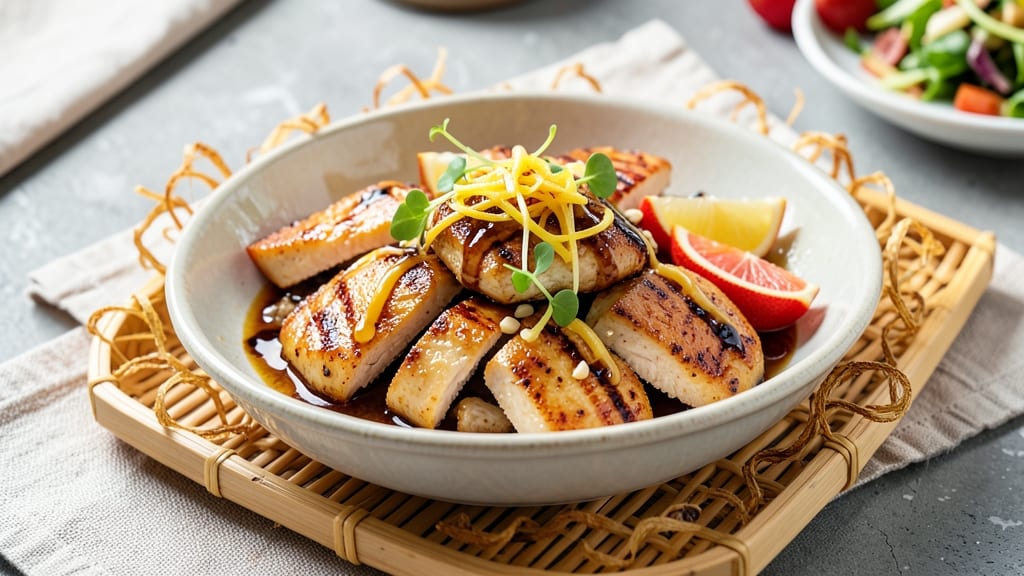
This Asian style lemon chicken recipe transforms simple ingredients into a dish that's bright, aromatic, and packed with contrast—juicy chicken with crispy edges and a zesty ginger-lime glaze that balances sweet, tangy, and umami notes.
I first made this after discovering my grandmother's handwritten notes about "chicken that sings" when marinated overnight, and it's become my go-to for weeknight dinners that feel special. The key? A marinade that tenderizes while building layers of flavor you can't get from bottled sauces.
The beauty of this recipe lies in its adaptability—whether you prefer pan-frying for quick weeknight meals or baking for hands-off convenience, the technique ensures that crispy texture you crave. I've tested it with both boneless and bone-in chicken, and the results are consistently restaurant-quality without requiring fancy equipment.
The glaze caramelizes beautifully, creating a sticky-sweet coating that clings perfectly to each piece.
What makes this dish truly shine is how it comes together: tender chicken with a caramelized glaze that's both sweet and tangy, balanced by the aromatic warmth of ginger and garlic. The citrus in the marinade keeps the flavors bright while preventing the chicken from drying out during cooking.
It's the kind of recipe that transforms a simple protein into something that feels like a celebration.
Serve it over steamed jasmine rice to soak up every drop of that flavorful glaze, or pair it with stir-fried bok choy for a complete meal.
The leftovers reheat beautifully, making it perfect for meal prep. Here's how to bring this dish to your table with minimal effort and maximum flavor.
Ingredients for asian style lemon chicken
Bright citrus, aromatic ginger, and tender chicken come together for a dish that sings with flavor.
| Ingredient | Amount | Notes |
|---|---|---|
| Boneless, Skinless Chicken Thighs 🍗 | 1 ½ lb | Cut into 1-inch pieces |
| Fresh Lemon Juice 🍋 | ½ cup | From about 3 lemons |
| Fresh Ginger 🌿 | ¼ cup | Finely grated, aromatic |
| Minced Garlic 🧄 | 4 cloves | Freshly minced for potency |
| Brown Sugar 🍯 | ¼ cup | Light or dark variety |
| Soy Sauce 🍶 | ¼ cup | Low-sodium preferred |
| Sesame Oil 🫒 | 1 tbsp | Toasted for aroma |
| Honey 🍯 | 2 tbsp | Wildflower preferred |
| Rice Vinegar 🍶 | 2 tbsp | White or seasoned |
| Olive Oil 🫒 | 2 tbsp | For crispy sear |
| Cornstarch 🌾 | 2 tbsp | For glaze thickening |
| Diamond Crystal Kosher Salt 🧂 | 1 tsp | For seasoning |
| Freshly Ground Black Pepper 🌶️ | ½ tsp | For depth of flavor |
| Green Onions 🧅 | 2 whole | Sliced for garnish |
| Toasted Sesame Seeds 🌰 | 1 tbsp | For finishing touch |
The chicken thighs are the star—bone-in for extra flavor or boneless for convenience. Look for thighs with good marbling at the grocery store's meat counter, and ask for them to be cut into even pieces. Fresh ginger and garlic are non-negotiable here; Trader Joe's sells pre-grated ginger that saves time, but fresh is always better. The soy sauce should be low-sodium to balance the sweetness, and if you can't find it, just halve the amount and add extra salt. For the sesame oil, grab the toasted variety—it's pricier but adds that nutty depth that regular sesame oil can't match.
No fresh ginger? Substitute with 1 tbsp ground ginger, but it won't have the same punch. Out of honey? Maple syrup works in a pinch, though it has a slightly different flavor profile. The cornstarch is key for that glossy glaze—don't skip it, even if you're not worried about thickening. For extra crispiness, toss the chicken in 1 tbsp cornstarch before cooking. The green onions can be swapped for regular onions if you're out, but the mild flavor keeps the dish bright. If you're using bone-in thighs, reduce the cooking time slightly to avoid overcooking the meat.
Marinate the chicken overnight for maximum flavor, but even 4 hours works in a pinch. Store leftovers in an airtight container for up to 3 days—they reheat beautifully, though the texture won't be as crispy. For meal prep, double the batch and freeze half. The glaze thickens as it cools, so you can always thin it with a splash of water or rice vinegar if needed. Garnish with sesame seeds right before serving—they add crunch and visual appeal that makes the dish feel restaurant-worthy.
Why You'll Love This Recipe
- One-Pan Magic: I swear by this recipe because it’s actually one-pan—no messy sauces or extra bowls. Just sear the thighs, toss in the ginger-garlic-lemon mix, and let the brown sugar caramelize. Ten minutes later, you’re done. (Yes, even on a Tuesday night.)
- Tangy-Sweet Balance: That bright lemon cutting through the ginger’s heat and the brown sugar’s richness? It’s the kind of flavor that makes you pause mid-bite. The chicken stays juicy, but the crust gets this irresistible sticky glaze—like a cross between takeout and homemade.
- Meal Prep MVP: I make a double batch on Sundays because it reheats like a dream. The sauce clings to the chicken, so it doesn’t dry out, and the ginger keeps it fresh longer than your average leftovers. Pack it for lunches or freeze half—no one will guess it’s not fresh.
- Budget-Friendly Luxury: Chicken thighs are forgiving and cheap, and this recipe uses minimal ingredients that pack maximum punch. Fresh ginger and lemon feel fancy, but they’re affordable staples that make everything taste elevated. Honestly, it’s the kind of dish that feels special without breaking the bank.
Step-by-step instructions for Asian style lemon chicken
Here's how to create restaurant-quality crispy edges with that signature zesty glaze.
Prep the Chicken and Create the Glaze Base
Cut the 1.5 lb boneless, skinless chicken thighs into 1-inch pieces and pat them completely dry with paper towels—this ensures maximum crispiness. In a small bowl, whisk together the 0.5 cup fresh lemon juice, 0.25 cup finely grated fresh ginger, 4 cloves minced garlic, 0.25 cup brown sugar, 0.25 cup soy sauce, 2 tbsp honey, and 2 tbsp rice vinegar. This aromatic mixture forms the foundation of your glaze, balancing sweet, tangy, and umami flavors.
Here's the thing—don't skip the ginger grating. Using a microplane gives you that fine, fragrant texture that infuses deeply into the chicken. If you're using pre-minced garlic, toast it lightly in a dry pan first to deepen its flavor. The glaze should look vibrant and slightly syrupy at this stage.
Build Crispy Edges with the Double-Oil Sear
Heat 2 tbsp olive oil in a large skillet over medium-high heat until it shimmers but doesn't smoke. Add the chicken pieces in a single layer and let them sear undisturbed for 3-4 minutes until golden brown on one side. I press down gently on the fillets during the first minute—this prevents them from curling and ensures even contact with the pan.
Once the first side is crispy, flip the chicken and add 1 tbsp sesame oil to the pan. The sesame oil adds that signature nutty aroma and helps create a glossy finish. Cook for another 3-4 minutes until the second side is golden brown. The chicken should release easily from the pan—if it sticks, don't panic, but add a splash of water and scrape up those flavorful browned bits.
Glaze and Gloss for Perfect Finish
Remove the chicken from the pan and set it aside. In the same skillet, reduce heat to medium and pour in the prepared glaze mixture. Let it simmer for 2-3 minutes until it thickens slightly and coats the back of a spoon. This is where the magic happens—the glaze should reduce enough to cling beautifully to the chicken without being overly syrupy.
In a small bowl, whisk together 2 tbsp cornstarch with 1 tbsp water to create a slurry. Slowly pour this into the simmering glaze while stirring constantly. The mixture will thicken dramatically—this creates that glossy, restaurant-quality finish. Return the chicken to the pan and toss everything together until the pieces are fully coated in the glaze.
Caramelize to Crispy Perfection
Increase heat to medium-high and cook for 1-2 minutes until the glaze caramelizes and forms a glossy coating on the chicken. You'll see it transform from a simple sauce to a beautiful amber glaze with crispy edges. The chicken should be cooked through with an internal temperature of 165°F—use an instant-read thermometer to check the thickest piece.
Here's where it gets fun—taste the glaze and adjust seasoning if needed. I usually add a pinch more Diamond Crystal kosher salt or a crack of freshly ground black pepper at this stage. The glaze should be sweet, tangy, and slightly salty with a bright citrus note. Remove from heat and let the chicken rest for 2-3 minutes—this allows the juices to redistribute.
Garnish and Serve with Confidence
Transfer the chicken to a serving platter and garnish with 2 whole green onions sliced diagonally and sprinkled with 1 tbsp toasted sesame seeds. The green onions add a fresh contrast to the rich glaze, while the sesame seeds provide that final textural crunch. Serve immediately over steamed rice or noodles to soak up that delicious sauce.
Each bite should deliver a perfect balance of crispy edges, tender meat, and that vibrant glaze. The lemon-ginger flavor will brighten your meal, while the caramelized glaze adds depth. This dish tastes even better the next day when the flavors have time to meld—just reheat gently in a skillet to maintain that crispy texture.
Pro Tips For Making Asian Style Lemon Chicken
- Pound the Chicken: Use a meat mallet or rolling pin to flatten the thighs to an even ½-inch thickness—this guarantees they cook through without drying out. I learned this the hard way when my first batch turned out tough in the middle because I skipped it.
- Zest Before Juicing: Grate the ginger and lemon zest into the marinade first, then add the juice. The zest adds bright aroma and clings better to the chicken than if you toss it in at the end.
- Don’t Rush the Caramel: Let the brown sugar melt and darken into a syrupy glaze before adding the chicken—about 3–4 minutes on medium heat. Rushed caramelization means a thin, sticky sauce instead of a glossy, sticky one.
- Finish with Cold Lemon: Stir in 1–2 tablespoons of cold lemon juice at the very end. The acid cuts through the richness of the brown sugar and keeps the sauce from turning bitter—trust me, it makes a real difference.
Regional styles of this asian style lemon chicken
Japanese Teriyaki Style
For a Japanese-inspired twist, replace the soy sauce with ½ cup mirin, ¼ cup sake, and ¼ cup regular soy sauce in the marinade. Add 1 tbsp grated daikon radish to the glaze for a subtle sweetness and umami depth.
Cook the chicken in a cast-iron skillet until caramelized, then finish with a drizzle of reduced mirin glaze. Serve with steamed short-grain rice and quick-pickled cucumbers for contrast. 🌸
Thai-Inspired Chili-Lemon
Transform this into a Thai-style dish by adding 1 tbsp fish sauce, 1 tbsp palm sugar, and 1 tsp red curry paste to the marinade. Swap honey for 2 tbsp coconut sugar and finish with a splash of lime juice and thinly sliced Thai chilies.
Garnish with crushed peanuts and cilantro for texture. Pair with jasmine rice and a side of stir-fried Thai basil. 🌶️
Korean Gochujang Glaze
Give it Korean flair by mixing 2 tbsp gochujang (Korean chili paste) into the glaze and adding 1 tsp toasted sesame seeds to the marinade. Cook the chicken until crispy, then toss in the gochujang glaze until fully coated.
Garnish with sesame seeds and thinly sliced scallions. Serve with kimchi and steamed rice for a bold, spicy kick. 🔥
Vietnamese Caramelized Version
For a Vietnamese-inspired take, replace the brown sugar with 3 tbsp coconut sugar and add 1 tsp fish sauce to the marinade.
After searing, simmer the chicken in a light caramel sauce made with 2 tbsp coconut sugar and 1 tbsp water, then finish with a drizzle of hoisin sauce. Garnish with mint leaves and fried shallots. Serve with rice noodles and a side of quick-pickled carrots. 🥥
Chinese Five-Spice Twist
Infuse the marinade with ½ tsp Chinese five-spice powder and 1 star anise pod (removed before cooking). Use light soy sauce instead of regular, and finish the glaze with a splash of Shaoxing wine.
Garnish with toasted cumin seeds and green onions. Serve with steamed bok choy and egg fried rice for a complete meal. 🌟
Filipino Adobo Fusion
For a Filipino-inspired version, replace the soy sauce with ½ cup coconut vinegar and 1 tsp black peppercorns in the marinade. After searing, simmer the chicken in a sauce made with 2 tbsp soy sauce, 1 tbsp brown sugar, and ½ cup coconut milk.
Garnish with crushed roasted peanuts and cilantro. Serve with garlic fried rice and steamed string beans. 🥥
Nutrition facts
Frequently asked questions
Can I use chicken breast instead of thighs for this recipe?
Yes, but with caution! Chicken breast cooks faster and can dry out. Cut it into ½-inch thick pieces and reduce cooking time by 1-2 minutes per side. For extra moisture, add 1 tbsp honey to the marinade and avoid overcooking. The crispy edges will still form, but the texture will be slightly less tender.
How do I make this recipe less sweet?
Cut the brown sugar in half and replace it with 1 tbsp extra soy sauce or 1 tsp fish sauce for umami depth. Also reduce the honey to 1 tbsp and add ½ tsp grated lemon zest to brighten the flavors. The glaze will still caramelize beautifully but with less sweetness.
What’s the best way to store leftovers?
Store in an airtight container for up to 3 days in the fridge. To reheat, warm in a skillet over medium heat with 1 tsp water or oil for 2-3 minutes to restore crispiness. For freezing, portion into single servings and freeze for up to 1 month. Thaw overnight in the fridge before reheating.
Can I bake this instead of pan-frying?
Preheat oven to 400°F and bake the marinated chicken on a wire rack over a baking sheet for 20-25 minutes, flipping halfway. For extra crispiness, broil for 1-2 minutes at the end. Brush with glaze in the last 5 minutes of baking. The texture will be slightly different but still delicious.
What if I don’t have cornstarch for the glaze?
Use 1 tbsp arrowroot powder or 1 tbsp all-purpose flour as a substitute. Mix with 1 tbsp water to make a slurry and add to the simmering glaze. Stir constantly until thickened—it may take 30-60 seconds longer than cornstarch. The glaze will still coat the chicken beautifully.