
Sauces & Condiments
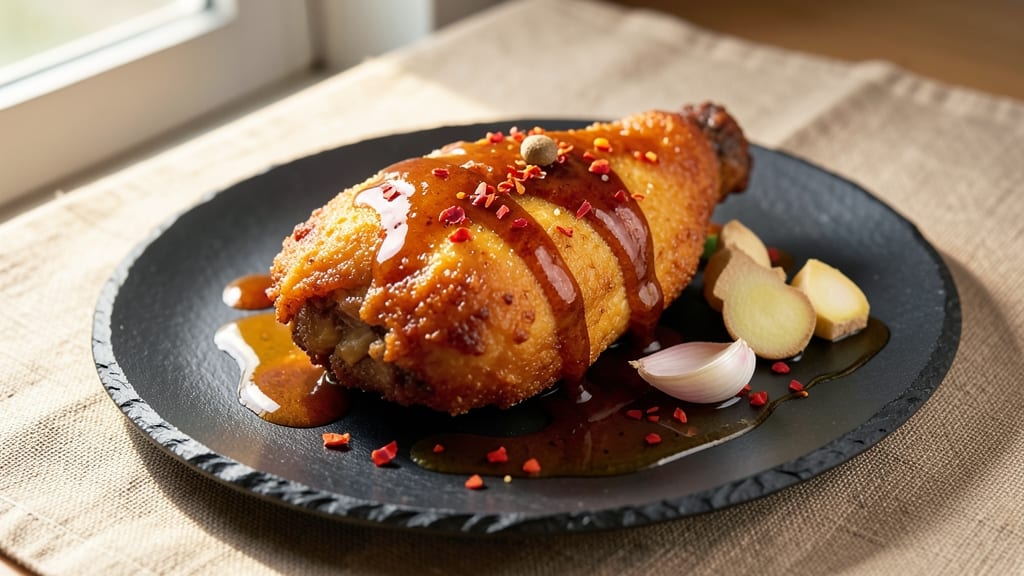
This Asian fried chicken sauce recipe transforms ordinary fried chicken into a restaurant-worthy masterpiece with just five ingredients and 15 minutes of prep. The secret lies in balancing umami-rich soy sauce with sweet honey, aromatic garlic and ginger, and a kick of chili for depth that lingers on every bite.
I developed this sauce after years of testing—it's the perfect harmony of flavors that pairs beautifully with crispy fried chicken, whether you're dipping or glazing.
The magic happens in the sauce's simplicity: no complicated techniques, just precise measurements and a quick simmer that develops rich, caramelized notes. Soy sauce provides that essential umami foundation, while honey adds natural sweetness that complements the savory elements.
Fresh garlic and ginger infuse the sauce with aromatic warmth, and a touch of chili brings the heat without overpowering the other flavors.
What you'll end up with is a glossy, sticky glaze that clings perfectly to fried chicken, offering both dipping and drizzling versatility. The sauce maintains its vibrant color and bold flavors even after refrigeration, making it ideal for meal prep.
Each batch delivers that perfect balance of sweet, savory, and slightly spicy that makes every bite unforgettable.
Use this sauce immediately for maximum freshness, or store it in the refrigerator for up to two weeks. It's the kind of condiment that elevates simple fried chicken into an extraordinary meal—perfect for weeknight dinners or special occasions when you want restaurant-quality results at home.
Ingredients for asian fried chicken sauce
Five ingredients, endless flavor—this sauce transforms fried chicken into a restaurant-quality masterpiece.
| Ingredient | Amount | Notes |
|---|---|---|
| Soy Sauce 🥢 | ½ cup | Light or dark variety preferred |
| Honey 🍯 | ⅓ cup | Raw or clover variety |
| Garlic Cloves 🧄 | 4 cloves | Freshly minced for maximum aroma |
| Fresh Ginger 🌿 | 1 tbsp | Finely grated, not powdered |
| Red Chili Flakes 🌶️ | 1 tbsp | Adjust for desired heat level |
| Sesame Oil 🫒 | 1 tbsp | Toasted for nutty depth |
| Rice Vinegar 🍶 | 1 tbsp | White or seasoned variety |
| Cornstarch 🌾 | 1 tsp | For thickening consistency |
The soy sauce is your umami foundation—light soy for brightness or dark soy for deeper color. I always grab Kikkoman or Lee Kum Kee from the Asian aisle, but any quality brand works. Fresh garlic and ginger are non-negotiable here; pre-minced garlic loses its punch, so chop it yourself if you're feeling fancy. For ginger, use a microplane to get fine, even strands. The chili flakes? Crushed slightly between your fingers before adding boosts the heat without grit. Sesame oil might seem small, but it adds that nutty aroma that makes the sauce sing—toasted sesame oil is worth the extra dollar.
No soy sauce? Coconut aminos or tamari work in a pinch, though the flavor will differ slightly. Subbing honey? Maple syrup or agave nectar keep it vegan, but honey's floral notes are ideal. Powdered ginger or garlic? Double the amount, but fresh is always better. The cornstarch is key for that glossy finish—mix it with 1 tbsp cold water before adding to avoid clumping. For extra depth, a dash of fish sauce (if not vegan) or soy sauce alternative elevates the umami. And if you're feeling bold, a pinch of white pepper adds complexity without altering the color.
This sauce is best used fresh, but it keeps beautifully in the fridge for up to 2 weeks in an airtight jar. The flavors actually improve as it sits, developing deeper caramelized notes. For meal prep, double the batch—it freezes perfectly for up to 3 months. Just thaw in the fridge and reheat gently on the stove. Pro tip: thin with a splash of water if it thickens too much after refrigeration. The sauce clings like magic to fried chicken, so make extra—you'll want it on everything.
Why You'll Love This Recipe
- Here’s what sold me: the sauce clings to crispy fried chicken like it’s glued on. The honey caramelizes when tossed with hot chicken, giving it this irresistible glossy sheen. Honestly, I’ve made it three ways—drizzled, dipped, even brushed on—each time better than the last.
- I’ll be real: most sauces turn sad after day two. Not this one. The ginger keeps it fresh, and the honey prevents it from drying out. I’ve reheated this sauce for days—drizzled on cold fried rice, mixed into scrambled eggs, or even slathered on grilled cheese. It’s my secret weapon for lazy mornings.
Step-by-step instructions for Asian fried chicken sauce
This sauce delivers restaurant-quality depth with just eight ingredients—simple steps pack maximum flavor.
Prepare the Aromatic Base
In a small saucepan, combine the 0.5 cup soy sauce and 0.33 cup honey. Place over medium heat and bring to a gentle simmer, stirring constantly to dissolve the honey completely. You'll see the mixture bubble softly and begin to thicken slightly—this is when the umami and sweetness start melding together.
While the sauce heats, finely mince the 4 cloves garlic and grate the 1 tbsp fresh ginger. Add these to the simmering mixture along with the 1 tbsp red chili flakes. Stir vigorously for 2-3 minutes until the garlic becomes fragrant and the chili flakes bloom their heat. The sauce should smell like a bustling Asian street market—this is where all the magic begins.
Build Depth with Sesame and Vinegar
Remove the saucepan from heat and let it cool slightly for 1 minute—this prevents sudden temperature shocks when adding the 1 tbsp sesame oil and 1 tbsp rice vinegar. Stir these in gently, allowing the sesame oil to infuse its nutty aroma while the vinegar brightens the sauce with a touch of acidity. The balance here is crucial: too much vinegar makes it sharp, too little and the sauce loses its lift.
Return the pan to low heat and simmer for another 3-4 minutes, stirring occasionally. You're looking for the sauce to reduce slightly and develop a glossy sheen. This step ensures all flavors are fully integrated before thickening. Taste and adjust seasoning—add a pinch more soy sauce if it needs more saltiness, or a touch more honey if it's too sharp.
Thicken to Perfect Consistency
In a small bowl, whisk together the 1 tsp cornstarch with 1 tablespoon of cold water until smooth. This slurry is your thickening secret—it creates that perfect glossy coat without making the sauce gluey. Return the sauce to a gentle simmer and slowly pour in the cornstarch mixture while stirring constantly with a wooden spoon.
Keep stirring for 2-3 minutes until the sauce thickens to a syrupy consistency that clings to the back of a spoon. It should coat the pan lightly when you tilt it, but still be pourable—not so thick it resembles paste. If it thickens too quickly, add 1 teaspoon of water to loosen it. The ideal texture is smooth, glossy, and just viscous enough to cling beautifully to fried chicken.
Rest and Finish
Transfer the sauce to a heatproof bowl and let it rest at room temperature for 10-15 minutes. This resting period allows the flavors to fully develop and the sauce to reach its perfect balance of sweet, salty, umami, and heat. The longer it rests, the more complex the flavors become—don't skip this step if you want restaurant-quality results.
Before using, give the sauce one final taste and adjust if needed. A drizzle of extra sesame oil adds richness, while a pinch of red chili flakes can intensify the heat. This sauce keeps well in the refrigerator for up to 5 days, making it perfect for batch cooking. Use it to glaze fried chicken, drizzle over rice bowls, or even toss with noodles for an instant upgrade.
Pro Tips For Making Asian Fried Chicken Sauce
- Simmer Low and Slow: I learned this the hard way—boiling that sauce too fast turns it into a sticky mess instead of a glossy glaze. Keep the heat at a bare simmer, especially when adding honey, or you’ll end up with sugar crystals instead of smooth sweetness.
- Mince Ginger Like It’s 1998: Fresh ginger needs to be finely minced, not just grated or chopped. Use a sharp knife and work in small batches—this isn’t the time to rush. Too many chunks mean you’ll taste them, and that’s a flavor disaster.
- Balance the Heat First: Add the red chili flakes last and taste as you go. If you dump everything in at once, the honey will mute the spice, and you’ll end up with a bland sauce. Start with half, let it cook, then adjust.
- Deglaze with Soy Sauce: After cooking the garlic, don’t just add everything at once. Splash in 1 tablespoon of soy sauce first, scrape up those browned bits—this is where the deep umami flavor hides. Ignore it, and you’re missing half the taste.
Serving suggestions for asian fried chicken sauce
Dipping Sauce Perfection
Serve this sauce warm in a small ceramic dipping bowl or lidded glass jar for easy access. The glossy texture makes it irresistible—dip each piece of fried chicken for 3-5 seconds to coat evenly.
I love using Japanese-style ceramic bowls for that authentic touch, but any shallow dish works. Keep extra sauce on the side for dipping throughout the meal. 🍗
Glazing Technique
For that restaurant-quality shine, brush the sauce onto fried chicken just before serving. Heat the sauce to 160°F and use a silicon pastry brush for even coverage. Brush two coats, letting each layer set for 30 seconds between applications.
This creates a caramelized crust that stays crispy. Pro tip: Work in batches to prevent sogginess. 🔥
Rice Bowl Elevation
Drizzle 1-2 tablespoons of this sauce over steamed jasmine rice or sticky rice for instant flavor. Top with sliced scallions, sesame seeds, and steamed broccoli for a complete meal.
The sauce's sweet-savory balance cuts through the mildness of rice beautifully. Double the sauce recipe for a full bowl—it disappears fast! 🍚
Noodle Twist
Toss cooked ramen or udon noodles with 2 tablespoons of this sauce per serving. Add sliced green onions and toasted sesame seeds for texture. The sauce's thickness clings perfectly to noodles, creating a one-bowl wonder. Serve immediately for maximum freshness—this is my go-to quick lunch. 🍜
Meal Prep Hack
Store leftover sauce in glass jars with airtight lids in the fridge for up to 2 weeks. Reheat gently on the stove with 1 teaspoon water to restore glossiness.
Portion into small containers for easy grab-and-go dipping. Freeze extras in ice cube trays for single-use portions—just thaw and reheat. 💫
Unexpected Uses
This sauce isn't just for chicken! Drizzle it over grilled shrimp skewers, tofu stir-fries, or even roasted Brussels sprouts. The umami-sweet combo works surprisingly well with pork belly too.
Keep a small bottle in your fridge for spontaneous flavor boosts—it's become my secret weapon for weeknight meals. 💡
Nutrition facts
Frequently asked questions
Can I make this sauce without cornstarch for thickening?
Yes! For a cornstarch-free version, simmer the sauce uncovered for 5-7 minutes longer to reduce it naturally. Alternatively, whisk 1 tsp arrowroot powder with 1 tbsp water and add it like the cornstarch slurry. The sauce will thicken more gradually but still achieve that glossy texture. Just watch it closely to avoid burning.
How spicy should the sauce be? Can I adjust the heat?
The 1 tbsp red chili flakes gives a mild to medium kick—perfect for dipping. For less heat, reduce to ½ tbsp or use ½ tsp chili powder instead. Want more fire? Add ½ tsp cayenne pepper or extra chili flakes. Always taste before serving and adjust gradually.
What's the best way to reheat leftover sauce?
Gently reheat in a small saucepan over low heat with 1 tsp water to restore its glossy texture. Stir constantly to prevent scorching. Microwaving works in 20-second bursts, stirring between each, but you'll lose some of that restaurant-quality sheen. Always reheat just until warm—overheating makes the sauce too thick.
Can I substitute honey with another sweetener?
For maple syrup or agave nectar, use the same ⅓ cup measurement. If using brown sugar, dissolve ⅓ cup in 2 tbsp water first before adding to the sauce. Each sweetener brings different notes—honey adds floral complexity, while maple offers deeper caramel undertones. Test small batches to find your favorite balance.
Why does my sauce separate when refrigerated?
This happens when the sauce cools too quickly or if the cornstarch slurry wasn't mixed properly. To fix it, gently reheat the sauce with 1 tsp water while stirring constantly. For prevention, let the sauce cool at room temperature for 10 minutes before refrigerating, and stir well before storing. The sauce should remain smooth when properly thickened.