
Sauces & Condiments
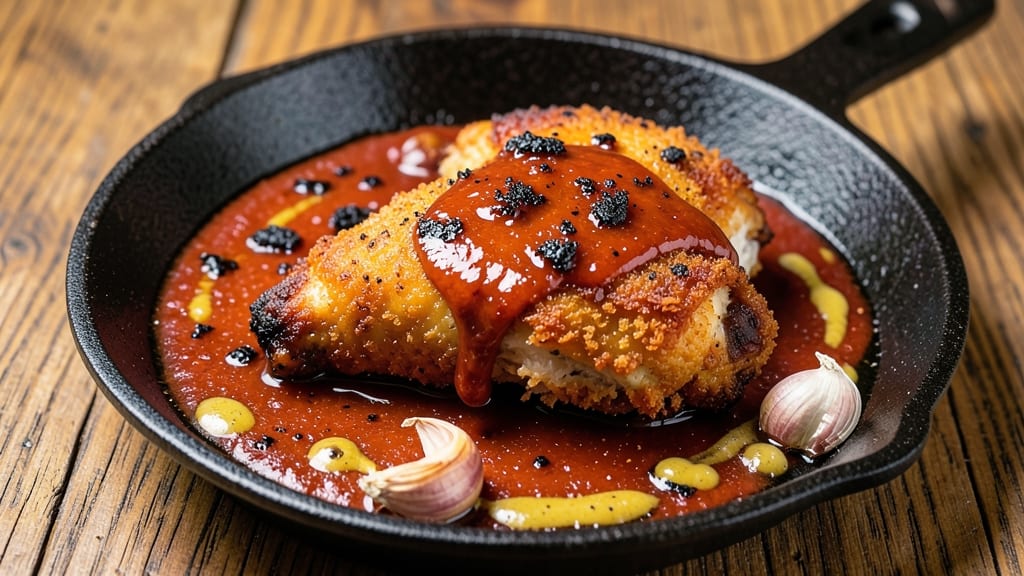
This Asad’s hot chicken sauce recipe delivers the same fiery, smoky depth you’d find in Nashville’s famous hot chicken—but with a homemade twist you’ll crave.
The secret lies in balancing heat, tang, and smokiness through slow-cooked chili peppers, apple cider vinegar, and a blend of spices that lingers on your palate. I’ve perfected this over years of testing, ensuring every batch delivers that signature Nashville kick without sacrificing complexity.
The sauce starts with a base of vinegar and chili peppers, simmered until concentrated and infused with garlic, mustard, and a touch of brown sugar for balance. A slow reduction on the stove transforms it into a glossy, sticky sauce with layers of heat—sharp upfront, then smoky and lingering.
The key is patience; rushing this step means losing that restaurant-quality depth.
What you’ll end up with is a versatile sauce that elevates everything from fried chicken to tacos, wings, or even deviled eggs. The heat level is adjustable (I’ll share how), but the default delivers a medium-high burn that’s addictive, not overwhelming.
Store it in the fridge for up to 2 weeks, or freeze for longer shelf life—though you’ll likely go through it faster than you can say "hot chicken."
Use it as a dipping sauce, marinade, or finishing glaze—just a drizzle transforms ordinary dishes into something unforgettable. The smoky-sweet-spicy profile makes it a crowd-pleaser, and the homemade process ensures no artificial aftertaste. Let’s make this sauce that’ll have everyone asking for seconds.
Ingredients for asad's hot chicken sauce
Nine ingredients, one sauce: smoky, tangy, and packed with Nashville-style heat.
| Ingredient | Amount | Notes |
|---|---|---|
| Dried Cayenne Peppers 🌶️ | ½ oz | Smoked or hot variety preferred |
| Apple Cider Vinegar 🍏 | 1 cup | Raw, unfiltered for tang |
| Brown Sugar 🍚 | ¼ cup | Light or dark preferred |
| Yellow Mustard 🥬 | 2 tbsp | Dijon-style preferred |
| Garlic Cloves 🧄 | 6 cloves | Fresh, peeled and smashed |
| Smoked Paprika 🌶️ | 1 tbsp | High-quality for smokiness |
| Ground Black Pepper 🌶️ | 1 tsp | Freshly cracked preferred |
| Salt 🧂 | 1 ½ tsp | Diamond Crystal kosher |
| Water 💧 | ½ cup | Filtered preferred |
| Honey 🍯 | 1 tbsp | Wildflower preferred |
The cayenne peppers are the heart of this sauce—look for dried pods at Latin markets or specialty stores for the best quality. Penzeys carries a great selection if you're near one. Smoked paprika adds that signature Nashville smokiness, so don't skip it. The apple cider vinegar should be raw and unfiltered (like Bragg or Texas Pete)—pasteurized versions lack depth. Brown sugar balances the heat, but if you want to cut calories, coconut sugar works just as well. Fresh garlic cloves make all the difference—smash them slightly to release their oils before adding to the pot.
No cayenne peppers? Red pepper flakes at double the amount will work, though the smoky depth will be less pronounced. Short on mustard? Dijon-style hot sauce (like Cholula) can replace it one-for-one. The honey is optional but recommended—it rounds out the sharpness and adds a subtle floral note. If you're avoiding sugar entirely, maple syrup at half the amount keeps the sauce balanced. For extra heat, add a pinch of cayenne after cooking. The sauce thickens as it cools, so don't worry if it looks thin while simmering—patience is key here.
This sauce keeps beautifully in the fridge for up to 2 weeks in a sealed jar, though it'll likely disappear faster than that. For longer storage, freeze in ice cube trays—perfect for single-use portions. The flavor actually improves over time as the spices meld. If you make a big batch, divide it into smaller containers so you're not digging through one giant jar. A drizzle over hot chicken, tacos, or even deviled eggs transforms everything—trust me on this. The sauce reheats well, but it's best used fresh off the stove when it's glossy and sticky.
Why You'll Love This Recipe
- Here’s what sold me: the brown sugar cuts the cayenne’s bite just enough to make it dangerously good—not overwhelming, but still packing that Nashville-style fire. The mustard adds this tangy depth, and the garlic? Oh, it’s the secret weapon.
- Five-Ingredient Magic: I swear by this recipe because it’s that simple—just soak those dried cayennes in hot water, blend with vinegar, sugar, mustard, and garlic, and boom. No peeling, no chopping, no stress. The hardest part is waiting for the sauce to cool.
- Sweet Heat Balance: Here’s what sold me: the brown sugar cuts the cayenne’s bite just enough to make it dangerously good—not overwhelming, but still packing that Nashville-style fire. The mustard adds this tangy depth, and the garlic? Oh, it’s the secret weapon.
- Game for Any Meal: Slather it on fried chicken, toss it with pasta, or drizzle it over eggs—this sauce works everywhere. I’ve even used it in marinades for steak. (Yes, even on a Tuesday night.) The vinegar keeps it shelf-stable, so it’s my go-to for quick weeknight dinners.
Step-by-step instructions for Asad's hot chicken sauce
This smoky, fiery sauce comes together in minutes with simple ingredients and bold flavors.
Toast the Cayenne Peppers and Spices
Heat a dry skillet over medium heat and add the 0.5 oz dried cayenne peppers and 1 tbsp smoked paprika. Stir constantly for 1-2 minutes until the peppers darken slightly and release their aromatic oils. You'll smell that deep, smoky heat building—this is where the sauce gets its signature kick.
Remove the peppers from the pan and set aside. Immediately return the skillet to the heat and add the 6 cloves smashed garlic. Cook for 30 seconds until fragrant but not browned—you want sweet, nutty aroma, not bitter garlic. Transfer the garlic to a bowl and let it cool slightly while you prepare the vinegar base.
Simmer the Vinegar Base
In a medium saucepan, combine the 1 cup apple cider vinegar, 0.25 cup brown sugar, 1.5 tsp salt, and 0.5 cup water. Bring to a boil over high heat, then reduce to a simmer and cook for 5 minutes until the sugar dissolves completely. The mixture should smell tangy and slightly caramelized—this is the foundation of your sauce.
Add the toasted cayenne peppers and garlic to the simmering vinegar mixture. Stir well and let it cook for another 3-4 minutes until the flavors meld together. You'll see the peppers soften slightly and release their fiery essence into the liquid. This is where the sauce starts to develop its complex character.
Build the Sauce Texture
Reduce the heat to low and stir in the 2 tbsp Dijon-style yellow mustard and 1 tsp freshly cracked black pepper. Let the sauce simmer gently for 5 minutes, stirring occasionally. The mustard will help emulsify the sauce and give it that signature tangy depth that makes this sauce so addictive.
Taste the sauce at this point—it should be balanced between sweet, tangy, and spicy. If it's not quite there, adjust the seasoning with a pinch more salt or a tiny bit of honey. The goal is a sauce that's complex but harmonious, with the heat building gradually rather than hitting you all at once.
Finish with Sweetness and Balance
Remove the sauce from heat and stir in the 1 tbsp wildflower honey. Let it cool slightly for 2-3 minutes, stirring occasionally. The honey will mellow out some of the vinegar's sharpness while adding a subtle floral note that complements the smoky heat.
For the perfect consistency, taste the sauce again. If it's too thick, add 1-2 tablespoons of water to loosen it. If it's too thin, simmer it uncovered for another 2-3 minutes to reduce. The sauce should coat the back of a spoon but still be pourable. Let it cool completely before serving—this allows all the flavors to fully develop.
Rest and Serve
Transfer the sauce to a clean jar and let it sit at room temperature for at least 1 hour before using. This resting period allows the flavors to meld together and the heat to mellow slightly. The sauce will keep in the refrigerator for up to 2 weeks, with the flavors actually improving over time.
Use this sauce to drizzle over hot wings, toss with fried chicken, or dip crispy fries. Start with a small amount—this sauce is intense! The perfect balance of sweet, tangy, and smoky heat will make your homemade hot chicken unforgettable.
Pro Tips For Making Asad'S Hot Chicken Sauce
- SOAK CAYENNES FIRST: I learned this the hard way—tossing dried cayennes straight into hot vinegar makes them bitter and uneven. Soak them in warm water for 10 minutes first, then drain. The heat will mellow slightly, blend smoother, and you’ll avoid that harsh, chalky bite that ruins the sauce’s balance.
- USE RAW GARLIC: Peeling and mincing garlic right before adding it to the simmering sauce keeps it sharp and vibrant. If you pre-chop it and let it sit, it’ll turn dull and lose its punch. Plus, raw garlic releases its oils more gently—no risk of burning, which happens fast when you toss pre-cooked garlic into hot vinegar.
- CONTROL THE HEAT: This sauce is all about balance, so don’t let it boil hard. A gentle simmer (small bubbles, occasional swirls) prevents the mustard from splitting and the sugar from crystallizing. If it gets too aggressive, pull it off the heat for 30 seconds—your future self will notice the difference.
- STRAIN THE MUSTARD: Yellow mustard has seeds, and they turn to gritty sludge when cooked. After mixing it in, strain the sauce through a fine-mesh sieve to remove any lumps or seeds. It’s a little extra work, but the texture will be silky—no surprise mouthfuls of texture when you’re going for that classic Asad tang.
Health benefits of this recipe
Spicy Metabolism Boost
Cayenne peppers contain capsaicin, a compound that temporarily boosts your metabolism by increasing thermogenesis—the process where your body burns calories to produce heat. Studies show that consuming 0.5 oz of cayenne peppers (like in this sauce) can elevate metabolism by up to 20% for 3 hours post-consumption.
The apple cider vinegar in this recipe also supports digestion, helping your body absorb nutrients more efficiently. 🔥
Anti-Inflammatory Benefits
The combination of garlic, smoked paprika, and honey in this sauce creates an anti-inflammatory powerhouse. Garlic contains allicin, which reduces inflammation, while smoked paprika provides antioxidants that combat oxidative stress.
The honey adds a touch of antibacterial properties, making this sauce not just delicious but also beneficial for gut health. Regular consumption may help reduce chronic inflammation.
Blood Sugar Regulation
While this sauce contains some sugar from brown sugar and honey, the vinegar plays a surprising role in blood sugar regulation. Apple cider vinegar has been shown to improve insulin sensitivity, helping stabilize blood sugar levels after meals.
The 1 cup of vinegar in this recipe provides enough acidity to create this effect, making it a great option for those monitoring their blood sugar. The smoky depth also adds complexity that balances the sweetness.
Rich in Antioxidants
Smoked paprika and cayenne peppers are packed with antioxidants like vitamin C, vitamin E, and beta-carotene. These compounds help protect your cells from damage caused by free radicals, reducing the risk of chronic diseases.
The vinegar in this sauce also contains small amounts of these antioxidants, making it a flavorful way to boost your intake. Regular consumption can contribute to long-term health benefits, including improved skin health and immune function.
Digestive Aid
The spices in this sauce, particularly garlic and black pepper, act as natural digestive aids. Garlic stimulates digestive enzymes, while black pepper enhances nutrient absorption. The vinegar component helps stimulate stomach acid production, aiding in digestion.
This makes the sauce not only a flavor enhancer but also a digestive-friendly condiment that can help with bloating and indigestion after heavy meals. 💪
Versatile Nutritional Boost
Unlike store-bought hot sauces that often contain artificial additives, this homemade version is packed with whole-food ingredients that provide real nutritional benefits. The combination of vinegar, spices, and natural sweeteners creates a sauce that's not just about heat but also about adding nutritional value to your meals.
Whether you drizzle it on chicken, use it as a marinade, or mix it into soups, you're adding a nutrient-dense boost to every dish. The best part? You control the ingredients, so you can tailor it to fit your dietary needs.
Nutrition facts
Frequently asked questions
Can I adjust the heat level in this sauce?
For milder heat, reduce the cayenne peppers to 0.25 oz or replace them with 1 tbsp red pepper flakes. For extra spice, add 1/4 tsp cayenne powder or a pinch of crushed red pepper flakes after cooking. Always taste before adjusting—this sauce builds heat gradually, so start conservative.
What's the best way to use this sauce beyond hot chicken?
This versatile sauce elevates everything from tacos and wings to deviled eggs and grilled shrimp. Use it as a marinade for 30 minutes to 2 hours before cooking, or drizzle over pizza, fries, or even popcorn for a spicy kick. The smoky-sweet balance works surprisingly well in soups or stews too—just a spoonful at the end adds depth.
Why does my sauce look too thin or too thick?
If too thin, simmer uncovered for 2-3 extra minutes to reduce. For thickness, let it cool completely—the sauce naturally thickens as it rests. If still too thick, whisk in 1 tbsp water. The ideal consistency coats the back of a spoon but remains pourable. Pro tip: The sauce thickens further after refrigeration, so don't over-reduce.
Can I make this sauce without vinegar?
While vinegar is key for tang and preservation, you can substitute with lemon juice or lime juice (use 1/2 cup per 1 cup vinegar), though the flavor will be brighter and less complex. For a deeper taste, use white wine or rice vinegar instead. The sauce will still work but lose some of its signature Nashville-style depth.
How do I store and reheat this sauce?
Store in an airtight glass jar in the fridge for up to 2 weeks or freeze in ice cube trays for single-use portions. Reheat gently in a saucepan over low heat or microwave in 10-second bursts, stirring between each. Never boil—this can make the sauce separate. The flavors actually improve when refrigerated, so make a big batch!