
Main Courses
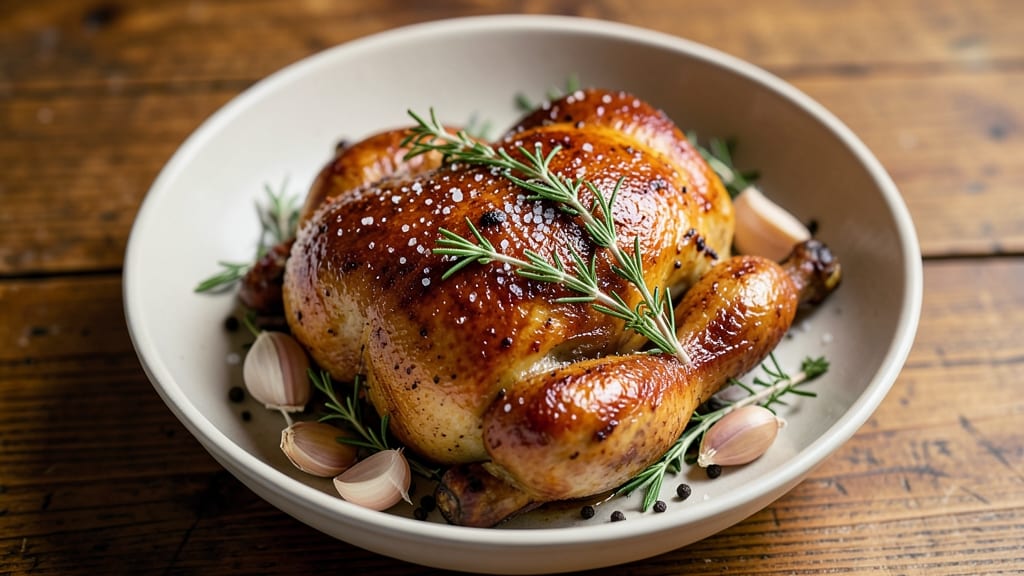
Alton Brown's whole chicken recipe transforms a simple bird into a showstopper with celery crust and buttery gravy that'll have your guests begging for seconds. This isn't your average roasted chicken—it's a crispy, golden masterpiece that combines Alton's signature techniques with restaurant-quality results you can achieve at home.
The celery crust adds a satisfying crunch, while the pan gravy elevates every bite to something extraordinary.
What makes this recipe special is the attention to detail that separates home cooks from professionals. We start with a simple brine to keep the meat juicy, then create that signature celery crust using just a few ingredients.
The key is letting the chicken roast slowly at a precise temperature, basting regularly to ensure even cooking and maximum flavor. It's the kind of method that delivers foolproof, restaurant-quality results every time.
By the time your chicken emerges from the oven, you'll have a golden-brown bird with crispy skin and tender meat inside. The celery crust adds texture that contrasts beautifully with the juicy chicken, while the pan gravy transforms simple pan drippings into a rich, velvety sauce.
This is the kind of chicken that makes Sunday dinners feel special without requiring hours in the kitchen.
The best part? The leftovers are just as impressive. Serve with roasted vegetables or crusty bread to soak up that buttery gravy. Here's how to make it—Alton Brown style."
Ingredients for alton brown whole chicken
Four pounds of chicken plus a few clever ingredients transform into Alton Brown's legendary celery-crusted masterpiece.
| Ingredient | Amount | Notes |
|---|---|---|
| Fresh Whole Chicken 🍗 | 4 lb | 2-2.5 lb bird preferred, giblets removed |
| Kosher Salt 🧂 | ½ cup | For brine, non-iodized preferred |
| Granulated Sugar 🍚 | 2 tbsp | For brine balance |
| Cold Water 💧 | 4 cups | Filtered preferred for clarity |
| Unsalted Butter 🧈 | ½ cup | Cold, cut into 8 pieces |
| Celery Stems 🧅 | 4 whole | Trimmed, cut into 1-inch pieces |
| Fresh Thyme Sprigs 🌿 | 4 whole | Leaves only, stems removed |
| Fresh Rosemary Sprigs 🌿 | 2 whole | Leaves only, finely chopped |
| Garlic Cloves 🧄 | 4 cloves | Peeled, smashed |
| All-Purpose Flour 🌾 | ¼ cup | For gravy thickening |
| Chicken Pan Drippings 🍲 | 1 ½ cups | Reserved from roasting |
| Heavy Cream 🥛 | ¼ cup | Full-fat for richness |
| Extra-Virgin Olive Oil 🫒 | 2 tbsp | For crust binding |
The chicken size matters—3.5 to 4 pounds gives you that perfect balance of crispy skin and juicy meat. Local butchers often have better quality than grocery store birds, but the pre-brined ones at Whole Foods work great if you're short on time. Look for a bird with good marbling—those little white specks mean more flavor. I always check the neck and wing joints for tightness; if they feel loose, the chicken's fresher. The celery? Fresh is non-negotiable—those pre-chopped bags won't give you the same texture. Grab the thick stems from the bottom of the bunch—they're perfect for this crust.
No fresh thyme or rosemary? Dried works at half the amount, but honestly, it's worth hunting down the fresh stuff for this recipe. The butter needs to be cold—take it out of the fridge 20 minutes before you need it so it's soft but not melted. For the brine, I use Diamond Crystal kosher salt because it dissolves better, but any non-iodized salt works. Short on celery? Substitute with 2 tbsp chopped parsley plus 1 tbsp chopped onion—it won't be identical, but it'll still taste amazing. And if you're feeling fancy, add a splash of white wine vinegar to the brine for extra brightness.
This chicken reheats beautifully—350°F for 20-25 minutes covered with foil, then crisp again under the broiler for 2 minutes. The gravy? Make extra; it freezes perfectly for up to 3 months. I always portion the leftovers into individual containers so lunches are sorted for the week. Store the raw chicken in its original packaging in the coldest part of your fridge—use within 2 days. The celery crust components can be prepped ahead and refrigerated for up to 24 hours before roasting. Trust me, the wait is worth it.
Why You'll Love This Recipe
- Five-Ingredient Magic: I swear, this recipe is my secret for when I forget to meal prep. Just salt, sugar, water, butter, and a whole chicken—no fancy gadgets, no chopping, no stress. The butter basting does all the work while I sip my coffee.
- Crispy-Creamy Perfection: That golden-brown skin with tender, juicy meat inside? It’s the sugar and salt brine doing the heavy lifting. Honestly, the first time I tried it, I nearly licked the pan clean—no joke.
- Leftovers That Shine: Roast a whole chicken on Sunday, and you’ve got lunch, dinner, and sandwiches covered. Between us, the shredded meat for tacos or soup is where this recipe really earns its keep. My freezer’s always stocked with it.
- Weeknight Hero: No dry, tough chicken here. The cold water brine keeps it moist, and the butter basting adds richness without extra effort. I’ll be real: this is the dish I turn to when I’d rather watch TV than slave over the stove.
Step-by-step instructions for Alton brown's whole chicken recipe
Here's how to make that legendary celery-crusted chicken with rich gravy—easy steps for perfect results.
Brine the Chicken for Maximum Flavor
In a large bowl, combine the 4 cups cold water, 0.5 cup kosher salt, and 2 tablespoons granulated sugar until fully dissolved. This creates a flavorful brine that keeps the chicken juicy and enhances the crust. Place the 4 lb fresh whole chicken in a large zip-top bag or container and pour the brine over it, ensuring it's fully submerged. Seal and refrigerate for 12-24 hours, turning the bag occasionally. The longer it brines, the more tender and flavorful the chicken will be.
Here's the thing—don't skip this step. Brining is what makes the difference between good chicken and restaurant-quality chicken. After brining, pat the chicken dry with paper towels, inside and out. This step is crucial for getting that crispy celery crust later on. Remove any excess moisture from the cavity as well.
Prepare the Celery Crust Mixture
In a food processor, combine the 4 whole celery stems (trimmed and cut into 1-inch pieces), 4 whole fresh thyme sprigs (leaves only), 2 whole fresh rosemary sprigs (leaves only, finely chopped), and 4 cloves garlic (peeled and smashed). Pulse until finely chopped but not pureed—you want texture. Transfer this mixture to a bowl and stir in the 2 tablespoons extra-virgin olive oil until well coated. This aromatic blend is the secret to that signature celery crust.
Spread the celery mixture evenly over the chicken, pressing it gently into the skin. Pay special attention to the cavity—stuff it with about half of the mixture. This ensures flavor penetrates deeply during roasting. Let the chicken sit at room temperature for 30 minutes before cooking. This step helps the crust adhere better and ensures even cooking.
Roast the Chicken to Golden Perfection
Preheat your oven to 425°F. Place the chicken breast-side up on a rack set inside a roasting pan. This allows air to circulate underneath, preventing soggy skin. Roast for 1 hour and 15 minutes, or until the internal temperature reaches 165°F when measured in the thickest part of the thigh. You'll know it's ready when the skin is deep golden brown and crispy, and the juices run clear when pierced with a meat thermometer.
About 15 minutes before the chicken is done, remove it from the oven and let it rest on a cutting board. Tent loosely with foil to keep it warm. This resting period is critical—it allows the juices to redistribute, ensuring every bite is moist and flavorful. Don't skip this step, or you'll end up with dry chicken.
Make the Buttery Gravy
While the chicken rests, place the roasting pan on the stovetop over medium heat. Add the 0.5 cup unsalted butter and let it melt, scraping up all the browned bits from the bottom of the pan. These bits are packed with flavor—don't miss them. Once the butter is melted, sprinkle in the 0.25 cup all-purpose flour and whisk vigorously for 1-2 minutes until the mixture turns a golden brown color. This is called a roux, and it's the base of your gravy.
Slowly pour in the 1.5 cups chicken pan drippings from the roasting pan, whisking constantly to prevent lumps from forming. Bring the mixture to a gentle simmer and cook for 5-7 minutes, stirring frequently, until it thickens to your desired consistency. If it's too thick, add a splash of the reserved pan juices. Stir in the 0.25 cup heavy cream and season with additional salt and pepper if needed. The gravy should be smooth, rich, and velvety.
Carve and Serve with Gravy
Once the chicken has rested for 15 minutes, carve it into serving pieces. To serve, spoon the buttery gravy over the chicken and serve immediately. The celery crust should be crispy and aromatic, while the gravy adds a luxurious finish. This dish serves 4 and is perfect for a family dinner or special occasion. The combination of the celery crust and rich gravy makes it unforgettable.
Real talk: This is where all the hard work pays off. The crispy crust, juicy meat, and velvety gravy come together in every bite. Don't be tempted to rush the resting or gravy-making—these steps are what elevate this recipe from good to legendary.
Pro Tips For Making Alton Brown Whole Chicken
- BRINE OVERNIGHT: The sugar-salt brine needs time to work—at least 12 hours, ideally 24. I used to rush it, thinking "close enough" would do, but the skin stays tough and the flavor falls flat. Trust the process; your chicken will be juicier and develop that perfect golden crust.
- PAT DRY HARD: After brining, grab paper towels and really dry that chicken—inside and out. I learned this the hard way when my butter wouldn’t brown properly because moisture was steaming instead of crisping. Five minutes of elbow grease saves you from a sad, pale skin.
- BUTTER BATCHES MATTER: Use cold, unsalted butter cut into 1-inch cubes—don’t melt it first. I was skeptical until I tried it: the butter pools and bastes the chicken as it roasts, creating a glossy, flavorful crust. Skip the pre-melted shortcut; it’s worth the extra step.
- TEMPERATURE SWITCH: Start high (425°F) for that initial sear, but move it to 350°F once the skin is golden. I used to leave it at high heat, and the butter would burn before the chicken finished. The switch guarantees crispy skin and fully cooked meat—no guesswork.
Essential equipment for alton brown whole chicken
Must-Have Roasting Tools
First, you need a heavy-duty roasting pan—I swear by All-Clad stainless steel because it distributes heat evenly and handles high temperatures without warping. Pair it with a wire rack that fits snugly inside (I use Ozeri 18-inch—it’s affordable and sturdy).
The rack keeps the chicken elevated so air circulates underneath, giving you that perfect crispy skin. Don’t skimp here—cheap pans can cause uneven cooking or even a fire hazard. 🔥
Precision Temperature Control
An instant-read meat thermometer is non-negotiable for this recipe. I’ve used ThermoWorks ThermoPop for years—it’s fast, accurate, and has a backlight for those late-night roasts. Insert it into the thickest part of the thigh (avoid touching bone) to check for 165°F internal temperature.
Pro tip: Calibrate your thermometer before use by testing it in boiling water—it should read 212°F exactly. If you’re serious about cooking, invest in a dual-probe thermometer like Meater for monitoring both the oven and the meat simultaneously.
Crust Prep Essentials
For that signature celery crust, you’ll need a food processor to finely chop the celery, herbs, and garlic. A Ninja BN601 handles this task effortlessly, but any quality processor will work. Grab thick celery stems from the bottom of the bunch—they’re perfect for texture.
A microplane comes in handy for zesting garlic if you want extra flavor depth. Store-bought pre-chopped celery won’t give you the same result, so fresh is a must. I also keep a sharp chef’s knife (like Wüsthof Classic) on hand for any adjustments.
Gravy-Making Gear
The gravy is where the magic happens, and you’ll need a whisk (I love OXO Good Grips) to create that perfect roux. A medium saucepan with sloped sides makes it easier to scrape up those flavorful browned bits.
For measuring, a liquid measuring cup ensures precision when adding the pan drippings and heavy cream. Don’t forget a fine-mesh strainer if you want ultra-smooth gravy—it catches any lumps or herb bits. A ladle with a strainer (like Cuisinart) is perfect for serving gravy without the drips. 💫
Optional Upgrades
If you’re feeling fancy, a digital kitchen scale (like Escali Primo) helps measure ingredients like butter and flour with precision. For brining, a large zip-top bag or glass storage container works best—just make sure it’s food-safe.
I also keep a timer with temperature alerts (my Instant Brands one goes off when the chicken hits 165°F) to avoid overcooking. And if you’re prepping ahead, airtight containers (like Rubbermaid Brilliance) keep the celery crust mixture fresh for up to 24 hours in the fridge.
Nutrition facts
Frequently asked questions
Why does Alton Brown's recipe use a celery crust instead of breadcrumbs?
The celery crust adds a unique herbal depth and satisfying crunch that breadcrumbs can't match. Celery contains natural oils that caramelize beautifully during roasting, creating that signature crispy texture while infusing the chicken with subtle earthy flavor. Plus, it's a more health-conscious alternative that still delivers restaurant-quality results.
Can I make this recipe without brining the chicken overnight?
Yes, but your chicken won't be as juicy. A 4-hour dry brine (just salt the chicken and refrigerate uncovered) works in a pinch, though it's not ideal. For best results, stick with the overnight wet brine—it's what makes this chicken restaurant-quality. If you're short on time, at least season the chicken generously with salt 1 hour before roasting.
What's the secret to getting crispy skin on the whole chicken?
Three things: dry chicken thoroughly after brining, use a wire rack in your roasting pan, and roast at 425°F with the breast-side up. The rack allows air circulation underneath, while the high heat creates that perfect crisp. Never skip the resting period—it lets the skin set properly before carving.
How do I adjust this recipe for a smaller chicken (2-3 pounds)?
Reduce the celery crust by half and cut the butter to 0.25 cup. Roast at 400°F for 50-60 minutes instead of 425°F, checking the internal temperature reaches 165°F. The cooking time will be shorter, but the technique remains the same. Just be extra careful with the smaller bird—it can dry out faster if overcooked.
Can I make the gravy ahead of time?
Gravy freezes beautifully for up to 3 months. Let it cool completely, then transfer to an airtight container. When reheating, warm over low heat and stir occasionally—never microwave it directly. For best texture, add a splash of water or chicken broth when reheating if it thickens too much.