
Main Courses
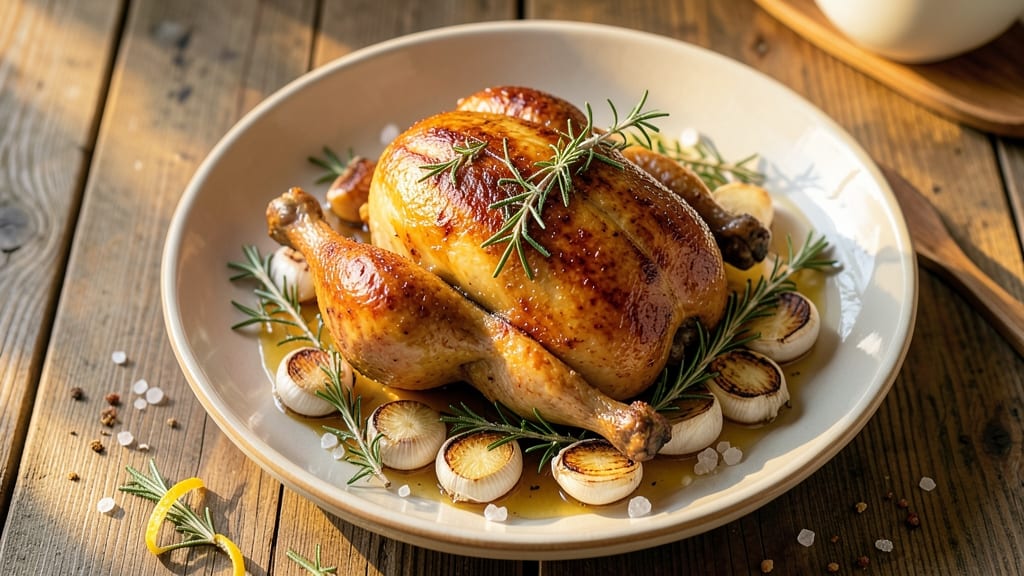
Alice Waters' roasted chicken recipe delivers the perfect harmony of golden, crisp skin and juicy centers that taste like a farm-to-table feast. This method transforms simple ingredients into a restaurant-worthy centerpiece using her signature approach of seasonal herbs and precise roasting. I've adapted her technique to ensure foolproof results at home, where every bite reveals layers of flavor built through careful preparation.
The secret lies in the herb-infused butter rubbed under the skin and the strategic use of aromatics like garlic and thyme.
Waters' philosophy of minimal intervention means letting the chicken roast slowly at just the right temperature—425°F to start, then 375°F to finish—so the meat stays tender while the skin achieves that coveted crispness. The brining step, though often overlooked, ensures moisture retention that keeps the centers impossibly juicy.
By the time it emerges from the oven, you'll have a chicken with skin so crisp it shatters at the touch and meat that falls apart with just a fork. The aromatics infuse every bite, creating a dish that feels both elegant and approachable.
This is the kind of chicken that makes weeknight dinners feel special—no shortcuts, just thoughtful technique and quality ingredients working together.
Serve with roasted seasonal vegetables or a simple grain salad to complete the meal. The leftovers reheat beautifully, making this recipe perfect for meal prep or entertaining. Here's how to achieve Waters' legendary results in your own kitchen.
Ingredients for alice waters roasted chicken
Four pounds of organic chicken and nine thoughtfully chosen ingredients transform into Waters' legendary roasted masterpiece.
| Ingredient | Amount | Notes |
|---|---|---|
| Whole Chicken 🍗 | 4 lb | Fresh, preferably organic, skin-on |
| Unsalted Butter 🧈 | ½ cup | Cold, cut into small pieces |
| Fresh Thyme Leaves 🌿 | ¼ cup | Finely chopped, stems removed |
| Fresh Rosemary Leaves 🌿 | ¼ cup | Finely chopped, stems removed |
| Garlic Cloves 🧄 | 6 cloves | Minced, peeled |
| Diamond Crystal Kosher Salt 🧂 | 1 ½ tbsp | For brining and seasoning |
| Black Peppercorns 🌶️ | 1 tsp | Freshly cracked |
| Fresh Lemon Juice 🍋 | ¼ cup | For brining |
| Ice Water 💧 | 4 cups | For brining solution |
| Extra-Virgin Olive Oil 🫒 | 2 tbsp | For basting |
The chicken is the foundation, so prioritize quality—organic, free-range birds from Whole Foods or your local butcher deliver superior flavor and texture. Look for vibrant color and firm, dry skin. Fresh herbs are non-negotiable: Chef's Garden or Penzeys offer premium options, but even grocery store herbs work if they're bright and fragrant. The butter should be cold and unsalted—Plugrá or Land O'Lakes work well. For the garlic, freshly minced (not jarred) ensures maximum aromatic impact. The kosher salt matters too—Diamond Crystal dissolves more easily than table salt, creating an even brine.
No fresh thyme or rosemary? Dried herbs at one-third the amount will suffice, though fresh yields superior flavor. Substituting butter with vegetable shortening maintains crisp skin but lacks richness. For the brine, low-sodium chicken broth can replace water if preferred. The lemon juice prevents the chicken from drying out during roasting. If you're short on time, skip the brine but pat the chicken thoroughly dry before seasoning—this step is crucial for crisp skin. The olive oil should be extra-virgin for optimal flavor, though regular olive oil works in a pinch.
The brine can be made up to 24 hours ahead and stored in the refrigerator. Once seasoned, the chicken keeps uncovered in the fridge for 12 hours maximum before roasting to allow the skin to dry properly. Leftovers reheat best at 350°F for 15-20 minutes covered with foil to prevent drying. For meal prep, portion the meat and store separately from the pan juices—both keep for 3 days in the fridge or 3 months frozen. The herb butter mixture can be prepped a day ahead and stored between parchment paper in the refrigerator.
Why You'll Love This Recipe
- Foolproof Roast: I swear by this method—just a whole chicken, butter, and herbs. No brining, no basting, no stress. The magic happens in the oven while I’m doing laundry or scrolling through my phone.
- Herb-Packed Magic: That rosemary and thyme? They cling to the skin like a dream, turning crispy with every bite. The garlic butter underneath? Rich, golden, and impossible to resist.
- Weeknight Crowd-Pleaser: Feed four or six without breaking a sweat. It’s my go-to for dinner parties (because I’m not the only one who hates last-minute stress) or lazy Sundays when I still want to feel fancy.
- Leftovers That Don’t Suck: The meat falls off the bone, and the flavor only gets better the next day. I meal prep it for lunches, toss it into salads, or reheat slices with toast—no sad, dry chicken here.
Step-by-step instructions for alice Waters' roasted chicken
This method delivers restaurant-quality results with perfectly crisp skin and tender meat.
Prepare the Herb-Infused Brine
In a large bowl, combine the 4 cups ice water, 1.5 tablespoons Diamond Crystal kosher salt, and 0.25 cup fresh lemon juice. Stir until the salt fully dissolves. Add the 4 lb whole chicken to the brine, ensuring it's fully submerged. Cover and refrigerate for at least 2 hours (or up to 12 hours for deeper flavor penetration).
The cold brine solution draws moisture into the chicken while infusing it with bright lemon notes. This step is crucial for achieving juicy centers—don't skip it. After brining, pat the chicken dry thoroughly with paper towels, removing any excess moisture from the skin and cavity. This drying process is essential for creating that signature golden, crispy skin.
Create the Herb Butter Rub
In a small bowl, mix together the 0.5 cup cold unsalted butter, 0.25 cup finely chopped fresh thyme leaves, 0.25 cup finely chopped fresh rosemary leaves, 6 minced garlic cloves, and 1 teaspoon freshly cracked black peppercorns. Use your fingers to work the mixture into a paste, ensuring the herbs are evenly distributed throughout the butter. This herb butter will become the flavor foundation for your chicken.
Spread this herb butter mixture all over the chicken, including the cavity. Press the butter gently into the skin so it adheres well. The cold butter will melt during roasting, basting the chicken and creating an aromatic crust. For best results, let the seasoned chicken sit at room temperature for 30 minutes before roasting to ensure even cooking.
Roast with Precision
Preheat your oven to 425°F with a rack positioned in the middle position. Place the chicken breast-side up on a wire rack set inside a rimmed baking sheet. This elevated position allows hot air to circulate around the chicken, promoting even cooking and crispy skin. Roast for 20 minutes to establish a golden crust on the skin.
After 20 minutes, reduce the oven temperature to 375°F and continue roasting for an additional 45-55 minutes (depending on the size of your chicken). The chicken is done when the internal temperature reaches 165°F at the thickest part of the thigh, measured with an instant-read thermometer. The skin should be deep golden brown, and the juices should run clear when pierced.
Rest and Baste for Maximum Juiciness
Once the chicken reaches the proper internal temperature, transfer it to a cutting board and tent loosely with aluminum foil. Let it rest for 15-20 minutes before carving. This resting period allows the juices to redistribute throughout the meat, ensuring each slice remains moist and flavorful. During this time, you can prepare your sides or make a simple pan sauce from the drippings.
For extra richness, baste the chicken with its own juices every 10 minutes during the last 20 minutes of roasting. Use a spoon to carefully lift the skin and pour the accumulated juices underneath. This basting technique helps create a flavorful crust while keeping the meat tender. When ready to serve, carve the chicken against the grain for the most tender slices possible.
Pro Tips For Making Alice Waters Roasted Chicken
- CRANK THE HEAT FIRST: Alice Waters’ method starts with a screaming-hot oven—425°F (220°C) for the first 20 minutes. I used to ease into it, and the skin never got that crispy, golden lattice. High heat breaks down collagen fast and renders fat for flavor. (Yes, even if you’re impatient like me.)
- SALT THE CHICKEN 12 HOURS EARLY: Dry-brine the whole chicken overnight with kosher salt—about 1 teaspoon per pound, tucked into the cavity. I learned this the hard way: skipping it means bland meat, no matter how much butter you slather on later. The salt dissolves into the flesh, making every bite juicy and seasoned.
- STUFF GARLIC AND HERBS DEEP: Don’t just scatter thyme and rosemary on top—pack them inside the cavity with halved garlic cloves. After burning three batches where the aromatics stayed on the surface, I now stuff them under the skin too. The flavor infuses the meat, not just the crust.
- REST IT UNDER FOIL: As soon as the chicken hits 165°F (74°C), transfer it to a foil tent and let it sit for 10 minutes. I used to cut into it immediately, and the juices pooled out like a sad, greasy puddle. Resting keeps everything locked in—crispy skin, tender meat, no dry surprises.
Wine and beer pairings for this alice waters roasted chicken
White Wine Pairings
Alice Waters' herb-infused roasted chicken pairs beautifully with crisp, aromatic white wines that complement the dish's bright lemon and fresh herb notes. I always reach for a Chablis from Burgundy—its mineral-driven acidity and citrus undertones mirror the chicken's lemon brine and thyme.
The Meursault from the same region offers a richer alternative with its buttery texture and stone fruit flavors that balance the chicken's richness. 🍷
For a lighter option, try a Sauvignon Blanc from New Zealand or Loire Valley. The grape's zesty lime and green apple notes refresh the palate between bites of crispy skin.
Avoid heavy, oaked whites—they'll overpower the delicate herb butter flavors. If you prefer domestic wines, a California Chenin Blanc with its honeyed apple and subtle spice works perfectly.
Red Wine Options
While white wines are traditional, a light-bodied red can work if you prefer deeper flavors. I love a Pinot Noir from Oregon or Burgundy—its red fruit and earthy notes harmonize with the rosemary and garlic without competing. The acidity in these wines cuts through the butter beautifully. 🍷
Avoid heavy reds like Cabernet Sauvignon or Syrah, which will dominate the dish. If you must choose a red, opt for a Gamay from Beaujolais—its bright cherry and pepper notes complement the herb butter while keeping the meal light.
Always decant red wines for 30 minutes before serving to open their aromas.
Beer Pairings
For beer lovers, a Belgian Witbier like Hoegaarden or Stella Artois offers a refreshing contrast with its citrusy coriander and orange peel notes. The effervescence cleanses the palate between bites of crispy skin.
I also enjoy a German Helles Lager—its malty sweetness and subtle spice balance the herb butter beautifully. 🍺
If you prefer something bolder, try a German Hefeweizen with its banana and clove aromas. The yeasty notes complement the chicken's herbal complexity. Avoid heavy stouts or IPAs—they'll overpower the delicate flavors. Serve beers well-chilled at 45-50°F to enhance their crispness.
Non-Alcoholic Options
For a refreshing non-alcoholic pairing, I recommend a sparkling apple cider like Martinelli's or a ginger beer with a squeeze of lime. The effervescence and citrus notes mirror the chicken's bright flavors.
A cucumber-mint infused water with a splash of lemon juice also works beautifully—it highlights the herb butter's freshness. 💧
For a more substantial option, try a sparkling grape juice like Martinelli's Sparkling Grape or a hibiscus iced tea with a hint of honey. Both complement the chicken's herbal notes while keeping the meal light and refreshing. Serve these drinks chilled to enhance their crispness.
Nutrition facts
Frequently asked questions
Why does Alice Waters' recipe use a brine instead of just salting the chicken?
The brine creates a moisture-rich environment that keeps the chicken incredibly juicy while allowing the skin to crisp perfectly. The salt and lemon in the brine also tenderize the meat from the inside out, creating a more flavorful result than surface salting alone. This method ensures every bite stays succulent even after resting.
Can I substitute dried herbs for fresh in the herb butter?
Yes, but use one-third the amount of dried herbs (about 1 tablespoon each of dried thyme and rosemary instead of 0.25 cup fresh). For best flavor, crush the dried herbs between your fingers first to release their aromatic oils. The texture won't be as vibrant, but the herb notes will still shine through beautifully.
What's the best way to carve this roasted chicken?
Start by removing the legs at the joint, then cut between the thigh and breastbone. For the breast, make a horizontal cut along the bone, then slice against the grain (perpendicular to the muscle fibers) into ½-inch thick pieces. This technique ensures tender, bite-sized portions that don't dry out. Always use sharp knives for cleaner cuts!
How do I fix chicken that's dry or overcooked?
If the internal temperature exceeded 165°F, don't panic! Shred the meat and mix it with 2 tablespoons of the pan juices plus 1 tablespoon of the herb butter. Serve in a sauce or over rice to salvage the dish. For future attempts, use a meat thermometer and remove the chicken 5°F below target temp to let it rest and carry over to perfect doneness.
Can I make this recipe in a convection oven?
Yes, but reduce the temperature by 25°F (use 375°F instead of 400°F for the initial 20 minutes). Convection ovens cook faster, so watch closely and check the internal temperature 10 minutes before the estimated time. The skin may crisp faster, so you might need to tent it loosely with foil during the last 15 minutes of cooking.