
Sauces & Condiments
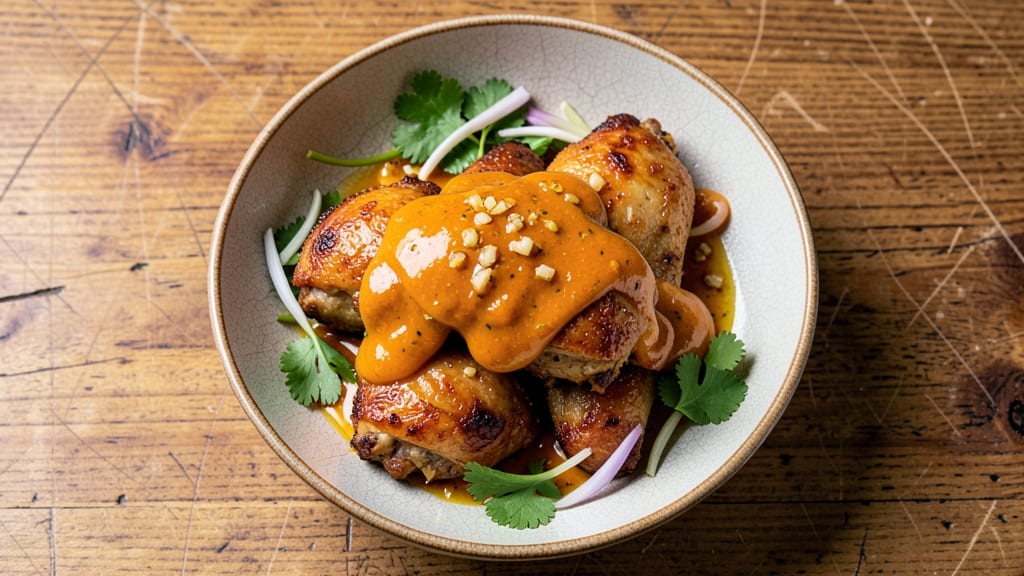
The aji amarillo sauce viva chicken recipe transforms ordinary chicken into a vibrant, spicy masterpiece that captures the essence of Peruvian cuisine. This recipe delivers tender, juicy chicken bites blanketed in a velvety yellow chili sauce that balances heat and depth—perfect for those craving bold, restaurant-quality flavors at home. The secret lies in marinating the chicken overnight, allowing the sauce to infuse every bite with its signature tangy, slightly sweet, and fiery profile.
The sauce itself is where the magic happens: a blend of aji amarillo paste, garlic, onion, and a touch of vinegar creates a complex, aromatic base that clings beautifully to the chicken.
Whether you grill, braise, or sauté the chicken, the result is consistently tender, never dry, with a crust that’s crisp yet succulent. This method ensures the chicken stays juicy while absorbing the sauce’s vibrant color and layered flavors.
Pair this dish with steamed white rice, a simple green salad, or roasted potatoes to round out the meal. The sauce’s bright acidity cuts through the richness of the chicken, making every bite balanced and satisfying.
The dish is hearty enough for a family dinner but elegant enough for a special occasion—all while staying true to its Peruvian roots.
Ready in about 45 minutes (plus marinating time), this recipe is designed for modern kitchens but delivers the depth of traditional Peruvian cooking. The key is patience—letting the flavors meld during marinating and cooking ensures a dish that’s far from ordinary. Let’s get cooking!
Ingredients for aji amarillo sauce viva chicken
Bold flavors and vibrant colors—this recipe brings Peruvian restaurant quality to your kitchen.
| Ingredient | Amount | Notes |
|---|---|---|
| Boneless, Skinless Chicken Thighs 🍗 | 1 ½ lb | Cut into 1-inch pieces |
| Aji Amarillo Paste 🌶️ | ½ cup | Peruvian yellow chili paste |
| Fresh Garlic Cloves 🧄 | 6 cloves | Minced for marinade |
| Yellow Onion 🧅 | 1 whole | Finely diced, 1 cup |
| White Vinegar 💧 | ¼ cup | For tangy brightness |
| Extra-Virgin Olive Oil 🫒 | ½ cup | For marinade and cooking |
| Lemon Juice 🍋 | ¼ cup | Freshly squeezed |
| Fresh Cilantro 🌿 | ¼ cup | Chopped, for garnish |
| Salt 🧂 | 1 ½ tsp | Kosher or sea salt |
| Ground Black Pepper 🌶️ | ½ tsp | Freshly ground preferred |
| Vegetable Oil 🫒 | ½ cup | For frying chicken |
| All-Purpose Flour 🌾 | ½ cup | For dredging |
| White Rice 🍚 | 1 ½ cups | Uncooked, for serving |
The aji amarillo paste is non-negotiable for authentic flavor. Find it at Latin markets or specialty stores—brands like Pisco Imports or Amazon carry it. If you can't find it, yellow bell pepper paste with a pinch of turmeric works in a pinch. Fresh garlic and onion are key: purchase them the same day for maximum potency. The chicken thighs are crucial—they stay juicy while absorbing the sauce better than breasts. Look for free-range or organic if possible, but any good-quality thighs will work. For the cilantro, buy extra—half goes in the marinade, half for garnish.
No aji amarillo paste? Mix 2 tbsp yellow bell pepper paste with 1/4 tsp turmeric and 1/4 tsp smoked paprika for a close substitute. Short on vinegar? Lime juice works too, but it’ll be slightly sweeter. The flour is just for dredging—Panko works better if you want extra crunch. For the olive oil, use a fruity, extra-virgin variety—it adds depth to the marinade. The lemon juice can be swapped for lime juice, but it’ll shift the flavor slightly. If you’re missing cilantro, fresh parsley or basil can stand in, though the flavor will differ.
Marinate the chicken overnight in the fridge for best results. The sauce keeps for 5 days in an airtight container, and the cooked chicken reheats beautifully—30 seconds in the microwave or 10 minutes in a 350°F oven. For meal prep, cook the chicken and sauce separately, then combine when ready to serve. The rice can be made ahead and reheated with a splash of water. Store all components in separate containers to maintain freshness.
Why You'll Love This Recipe
- Five-Ingredient Magic: I swear by this—just chicken, aji amarillo paste, garlic, onion, and vinegar. That’s it. No fancy prep, no hidden pantry items. The paste does all the heavy lifting, so you’re basically just sautéing and simmering while the flavors build.
- Tangy Heat Hug: The vinegar cuts through the richness of the chicken thighs, while the aji amarillo brings that bright, fruity heat. It’s not just spicy—it’s layered, with garlic mellowing into something almost sweet when it cooks down. Honestly, the first bite makes me reach for seconds.
- Lunchbox Hero: Between us, this keeps perfectly for days. Pack it cold for work or reheat it for dinner—same great taste. My kids even ask for it in their school lunches, and that’s saying something after they’ve tried every sad cafeteria option.
- Budget Win: Chicken thighs are cheap, and a little aji amarillo paste goes a long way. I make this for four people for under $10, and it feels like a restaurant dish. Plus, the leftovers stretch into stir-fries or tacos—no waste, all flavor.
Step-by-step instructions for aji amarillo sauce viva chicken
Here's how to create restaurant-quality Peruvian chicken with a vibrant aji amarillo marinade and crispy fried exterior.
Prepare the Aji Amarillo Marinade
In a medium bowl, combine the 0.5 cup aji amarillo paste, 0.5 cup extra-virgin olive oil, 0.25 cup white vinegar, 0.25 cup lemon juice, 6 minced fresh garlic cloves, 1 finely diced yellow onion, 1.5 teaspoons salt, and 0.5 teaspoon ground black pepper. Mix thoroughly until the paste is fully incorporated and the marinade has a smooth, vibrant orange hue.
Cut the 1.5 lb boneless, skinless chicken thighs into 1-inch pieces and place them in a resealable plastic bag. Pour the marinade over the chicken and seal the bag, pressing out any air pockets. Refrigerate for at least 30 minutes (or up to 4 hours) to allow the flavors to penetrate deeply. The marinade should turn the chicken a rich golden-orange color, indicating proper infusion.
Dredge and Fry the Chicken
Heat 0.5 cup vegetable oil in a large skillet over medium-high heat until it reaches 350°F (a deep-fry thermometer is ideal, but the oil should shimmer gently when a small piece of bread is dropped in). In a shallow bowl, mix the 0.5 cup all-purpose flour with an additional 0.5 teaspoon salt and 0.25 teaspoon black pepper.
Remove the chicken from the marinade (reserve the marinade for later) and let any excess drip off. Working in batches to avoid overcrowding, dredge each piece of chicken in the flour mixture, pressing gently to adhere. Fry for 3-4 minutes per side until the chicken is golden brown and reaches an internal temperature of 165°F. Transfer to a paper towel-lined plate to drain excess oil.
Simmer the Sauce and Finish the Chicken
Return the skillet to medium heat and add the reserved marinade. Bring to a gentle simmer and let it cook uncovered for 5-7 minutes, stirring occasionally, until it thickens slightly and coats the back of a spoon. The sauce should reduce enough to cling to the chicken but remain glossy. If it thickens too quickly, add 1-2 tablespoons water to maintain the desired consistency.
Return the fried chicken to the skillet and toss gently to coat evenly in the sauce. Cook for an additional 2-3 minutes to heat through and allow the flavors to meld. The chicken should be fully coated in the vibrant sauce, with crispy edges and tender meat underneath.
Serve with White Rice
While the chicken finishes, rinse the 1.5 cups white rice under cold water and drain well. Cook according to package instructions (typically a 1:2 rice-to-water ratio) until tender and fluffy. Fluff with a fork and divide among serving plates.
Top the rice with the aji amarillo sauce chicken, garnishing each serving with 0.25 cup chopped fresh cilantro. Serve immediately while the chicken is crispy and the sauce is hot. The combination of the spicy, tangy marinade, crispy exterior, and fluffy rice creates a balanced, flavorful dish that highlights the bold flavors of Peruvian cuisine.
Pro Tips For Making Aji Amarillo Sauce Viva Chicken
- Bloom the Aji Amarillo: Toss the paste with ¼ cup warm water first—this stops the bitterness from overpowering. I used to skip this and wondered why my sauce tasted harsh; blooming it mellows the heat and deepens the flavor.
- Sear the Chicken Hard: Get those thighs golden-brown before adding sauce—high heat for 4-5 minutes per side. I learned this the hard way: pale chicken turns mushy when simmered, while a good sear keeps it juicy.
- Slice Onions Thinly: Use a mandoline or sharp knife for paper-thin onion slices—they cook faster and sweeten without turning bitter. Thick slices? They’ll sit like rocks in your sauce.
- Deglaze with Vinegar Last: Add the white vinegar after the onions soften—it brightens the sauce but burns if poured too early. Trust me, the acidity needs something to react with first.
Wine and beer pairings for this dish
Peruvian Pisco Sours
The bright acidity and citrus notes of a Pisco Sour cut through the heat of the aji amarillo sauce beautifully. I recommend a classic Peruvian Pisco Sour made with Pisco brandy, fresh lime juice, simple syrup, and a whipped egg white for froth.
The citrus and herbal notes complement the yellow chili's spice without overpowering it. 🍹
For a non-alcoholic version, try a Peruvian-style limeade with muddled mint, lime juice, and a splash of soda water. The refreshing tang balances the richness of the chicken perfectly. Garnish with a lime wheel or fresh cilantro to tie into the dish's flavors.
Crisp White Wines
A Peruvian Torrontés is my top choice—its floral aroma and crisp acidity mirror the aji amarillo's citrusy brightness. Look for bottles from Vina Tondonia or Viña Albali. The wine's light body won’t compete with the dish but will cleanse your palate between bites. 🍷
If Torrontés isn’t available, a dry Riesling from Germany or Chile offers similar acidity and citrus notes. Avoid oaky whites like Chardonnay—they’ll clash with the sauce’s vibrant flavors.
Craft Beer Pairings
A Peruvian-style lager like Cusqueña (from Peru) or a Mexican pale lager such as Modelo Especial provides a neutral canvas that lets the dish shine. The subtle malt sweetness balances the sauce’s heat without overpowering it. 🍺
For a hoppier option, try a session IPA with light citrus notes, like New Belgium Fat Tire. The hop bitterness will contrast nicely with the sauce’s sweet-spicy profile, creating a refreshing balance.
Non-Alcoholic Options
A hibiscus iced tea (Peruvian-style tinga) adds a tart, floral note that complements the aji amarillo’s depth. Brew hibiscus flowers with cinnamon sticks and orange slices, then chill. Serve over ice with a lime wedge. 🌸
For something lighter, a sparkling limeade with rosemary-infused syrup elevates the dish’s herbal and citrus flavors. The effervescence cuts through the richness, making each bite feel fresh and vibrant.
Nutrition facts
Frequently asked questions
Can I use chicken breasts instead of thighs?
While possible, thighs are ideal for this recipe—they stay juicy and absorb the sauce better. If using breasts, cut them into 1-inch pieces and marinate for no more than 4 hours to prevent drying. Cook at 325°F oil for 2-3 minutes per side to avoid overcooking. For extra moisture, add 1 tablespoon butter to the sauce.
What if I can't find aji amarillo paste?
Make a substitute by blending 2 tablespoons yellow bell pepper paste with 1/4 teaspoon turmeric and 1/4 teaspoon smoked paprika for color and depth. For heat, add 1/8 teaspoon cayenne. The flavor won't be identical, but it'll capture the sauce's citrusy-spicy profile. Adjust salt to taste.
How spicy is this dish, and can I adjust it?
The recipe balances heat with tangy citrus and acidity, making it medium-spicy. For milder heat, reduce the aji amarillo to 0.3 cups and add 1 extra tablespoon lemon juice. For extra kick, increase the paste to 0.6 cups and add 1/2 teaspoon red pepper flakes to the sauce. Always taste as you go!
Can I make this recipe ahead of time?
Marinate the chicken up to 24 hours ahead. Cook the chicken and sauce separately, then reheat the sauce in a skillet over medium heat for 5 minutes before tossing with the chicken. Reheat fried chicken in a 350°F oven for 10 minutes to maintain crispiness. Store components separately in airtight containers.
What sides complement this dish best?
Classic pairings include steamed white rice, Peruvian sweet potato purée, or a simple green salad with lime vinaigrette. For extra authenticity, serve with roasted corn or fried plantains. The sauce's acidity cuts through richer sides like mashed potatoes or avocado slices.