
Sauces & Condiments
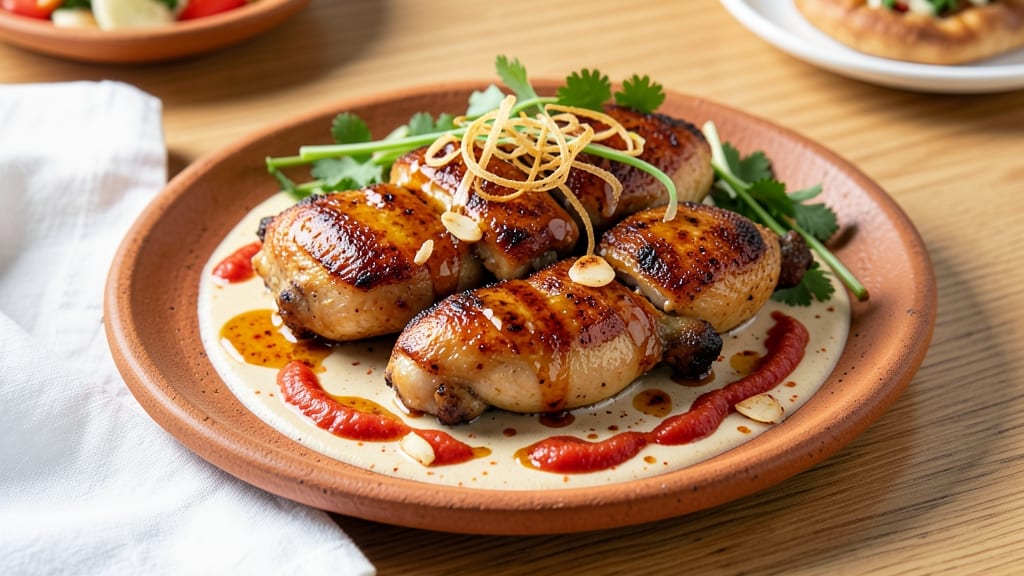
This African chicken in peanut sauce delivers one-pot richness that marries West African boldness with comforting peanut depth. The secret lies in balancing creamy peanut butter with aromatic spices—ginger, garlic, and cayenne—that build layers of flavor while the chicken simmers into tender perfection.
I first discovered this technique during a Charleston market trip when I stumbled upon a Senegalese chef’s approach to braising, and it’s since become a foolproof weeknight staple in my kitchen.
The magic happens in the sauce—where smooth peanut butter meets tangy tomato paste and warm spices, creating a velvety coating that clings to every bite. Unlike traditional versions that require multiple pans, this method keeps everything in one Dutch oven, reducing cleanup while developing deep, complex flavors.
The chicken emerges juicy and infused, with a sauce so rich it’ll have everyone asking for seconds.
This dish pairs beautifully with steamed jasmine rice or garlic plantains to soak up every last drop of that nutty-spiced sauce. The combination of textures—tender chicken, creamy sauce, and crispy sides—makes it a complete meal that feels both elegant and effortless.
Whether you're cooking for family or hosting a dinner party, this recipe delivers restaurant-quality results with minimal effort.
What sets this version apart is the balance—sweet from the peanut butter, heat from the cayenne, and umami from the spices. The sauce thickens just enough to coat the chicken while remaining silky, ensuring each bite is packed with flavor.
Trust me, once you try this, you’ll never go back to store-bought versions. Let’s get cooking!
Ingredients for african chicken in peanut sauce
Fourteen ingredients that transform into a restaurant-worthy one-pot masterpiece, all starting with West African-inspired boldness.
| Ingredient | Amount | Notes |
|---|---|---|
| Boneless, Skinless Chicken Thighs 🍗 | 1 ½ lb | Trimmed of excess fat for cleaner sauce |
| Natural Creamy Peanut Butter 🥜 | ½ cup | No added sugar, smooth texture preferred |
| Tomato Paste 🍅 | 2 tbsp | High-quality, San Marzano preferred |
| Fresh Ginger 🌿 | 1 tbsp | Finely grated, aromatic variety |
| Garlic Cloves 🧄 | 6 cloves | Minced, fresh preferred |
| Cayenne Pepper 🌶️ | ½ tsp | Adjust for desired heat level |
| Ground Cumin 🌿 | 1 tsp | Toasted for deeper flavor |
| Ground Coriander 🌿 | 1 tsp | Freshly ground preferred |
| Onion Powder 🧅 | ½ tsp | For subtle depth |
| Chicken Broth 💧 | 1 cup | Low-sodium preferred |
| Jasmine Rice 🌾 | 1 ½ cups | Uncooked, for serving |
| Vegetable Oil 🫒 | 2 tbsp | High smoke point for searing |
| Lemon Juice 🍋 | 1 tbsp | Freshly squeezed for brightness |
| Salt 🧂 | 1 ½ tsp | Diamond Crystal preferred |
| Black Pepper 🌶️ | ½ tsp | Freshly ground for aroma |
The peanut butter is non-negotiable here—natural, creamy, and unsweetened is key. Smucker's Natural or Skippy Natural are my go-tos, but any brand without additives works. For the ginger, fresh is essential—the freeze-dried stuff lacks that zesty punch. If you're feeling adventurous, grab West African ginger from an international market; it's more aromatic. The chicken thighs should be similar in size so they cook evenly—trim any excess fat to keep the sauce clean. And don't skip the tomato paste—it's the umami bridge between the peanutty sweetness and spicy depth.
No peanut butter? Smooth almond butter at half the amount works in a pinch, though the flavor will be subtly different. Running low on ginger? Galangal root (thai ginger) at the same quantity adds a citrusy complexity. The cayenne can be swapped for red pepper flakes at one-third the amount, but you'll lose some of that smoky heat. For the chicken broth, low-sodium is crucial—otherwise, you'll need to adjust the salt later. The jasmine rice? Day-O brand from the Asian market is my secret weapon, but any long-grain rice will do. And if you're making this ahead, cook the rice separately—it reheats best alone.
This sauce gets better with time, so make a double batch—it reheats beautifully and freezes for 3 months. Store leftovers in the fridge for up to 5 days, with a thin layer of oil on top to preserve the peanut richness. The chicken stays juicy when reheated gently, so low heat or microwave with a damp paper towel is key. And trust me on this: the first bite after reheating is when you'll realize why this became your new weeknight staple.
Why You'll Love This Recipe
- One-Pot Magic: I swear by this recipe—just toss everything into one pan, and the peanut butter, tomato paste, and ginger melt together into a rich sauce while the chicken cooks. No fussing with multiple dishes, no sticky messes to scrub later.
- Rich, Nutty Depth: That creamy peanut butter isn’t just for flavor—it’s the star. When simmered with garlic and ginger, it creates a sauce that’s both bold and smooth, with just the right amount of heat from the tomato paste. Honestly, the first bite makes me forget I’m not at my favorite African restaurant.
- Weeknight to Party Fix: This dish works for lazy Tuesdays (yes, even on a Tuesday night) and still impresses guests. Serve it over rice for a simple meal, or pile it onto crusty bread for a showstopper appetizer. My roommates never guess how little effort it took.
- Budget-Friendly Leftovers: Chicken thighs stretch this recipe far, and the peanut sauce freezes like a dream. I make double batches—one for dinner, one for lunches all week. The flavors only get better after a day or two, and it’s cheaper than takeout every time.
Step-by-step instructions for African chicken in peanut sauce
This nutty-spiced masterpiece comes together in one pot with rich flavors and tender chicken.
Sear the Chicken Thighs for Maximum Flavor
Heat the 2 tablespoons vegetable oil in a large, heavy-bottomed pot over medium-high heat until shimmering. Pat the 1.5 pounds boneless, skinless chicken thighs completely dry with paper towels—this ensures a proper sear. Working in batches if needed, add the chicken thighs to the pot and cook for 4-5 minutes per side until deeply golden brown and cooked through to 165°F internally.
Here's the thing—don't overcrowd the pot. If you're working with all the thighs at once, they'll steam instead of sear. I press down gently on the thighs during the first minute to prevent curling, which guarantees even browning. Once golden, transfer the chicken to a plate and set aside, leaving the rendered juices in the pot.
Build the Aromatic Spiced Base
Reduce the heat to medium and add the 2 tablespoons tomato paste, stirring to coat the bottom of the pot. This creates a flavorful foundation for your sauce. Cook for 1-2 minutes until the tomato paste darkens slightly and releases its deep, concentrated flavor.
Add the 6 minced garlic cloves, 1 tablespoon finely grated fresh ginger, 1 teaspoon ground cumin, 1 teaspoon ground coriander, 0.5 teaspoon onion powder, and 0.5 teaspoon cayenne pepper. Stir constantly for 30-45 seconds until fragrant—you should smell the warm spices and garlic immediately. This step develops the complex flavor profile that makes this dish sing.
Create the Peanut Sauce
Pour in the 1 cup low-sodium chicken broth and scrape up any browned bits from the bottom of the pot with a wooden spoon. These bits, called fond, are packed with flavor. Bring the mixture to a gentle simmer, then reduce heat to low and stir in the 0.5 cup natural creamy peanut butter and 1 tablespoon freshly squeezed lemon juice. Whisk until completely smooth—this should take about 2 minutes. The sauce should thicken slightly as it incorporates.
Taste and adjust seasoning with salt and black pepper as needed. Here's where it gets fun—the peanut butter should create a velvety, nutty sauce that balances the heat from the cayenne and the depth from the spices. If it's too thick, add a splash of water or broth to reach your desired consistency.
Cook the Jasmine Rice and Finish the Dish
Add the 1.5 cups uncooked jasmine rice and 1.5 teaspoons salt to the pot, stirring to coat each grain with the peanut sauce. Pour in just enough water to cover the rice by about ½ inch—this ensures the rice cooks perfectly without becoming mushy. Return the chicken thighs to the pot, spooning sauce over them to coat.
Bring the mixture to a gentle boil, then reduce heat to low, cover the pot, and simmer for 18-20 minutes. Don't peek! Every time you lift the lid, you release steam and potentially dry out the rice. After 18 minutes, check the rice—it should be tender with a slight bite, and the sauce should have thickened beautifully. If the sauce is too thin, uncover and simmer for another 2-3 minutes to reduce it.
Rest and Serve with Confidence
Remove the pot from heat and let the dish rest, covered, for 5 minutes. This allows the flavors to meld and the rice to finish cooking evenly. Before serving, give everything a good stir to redistribute the sauce and ensure each bite is packed with flavor.
Serve immediately with a sprinkle of fresh cilantro or chopped scallions if you like. The chicken should be tender and juicy, the rice perfectly cooked, and the peanut sauce rich and aromatic. This one-pot wonder delivers restaurant-quality results with minimal cleanup—exactly what you promised yourself when you started cooking!
Pro Tips For Making African Chicken In Peanut Sauce
- CRANK THE HEAT FIRST: High heat for the peanut butter is non-negotiable—it’s how you get that smooth, silky sauce without lumps. I used to simmer it gently, and the sauce always ended up grainy. Now I fry it in the same pan I browned the chicken, stirring constantly until it’s fully melted and glossy.
- GRATE THAT GINGER FINE: Skip the mincer if you’ve got it—freshly grated ginger makes a real difference. I learned this the hard way when I used pre-minced ginger from a jar, and the dish tasted flat. A box grater takes seconds and adds brightness that powder can’t match.
- DON’T OVERMIX THE SAUCE: Once the peanut butter is in, stir just enough to combine—overworking it turns the sauce into peanut butter glue. Let it simmer quietly so the tomato paste and spices can meld without turning the whole thing into a paste. Trust me, it’ll come together.
- SALT THE CHICKEN TWICE: Season the thighs generously before browning, then add another pinch when the sauce goes in. The peanut butter soaks up salt like a sponge, and you’ll need more than you think to balance the richness—especially if you’re using unsalted peanut butter.
Serving suggestions for this dish
Classic Rice Pairings
Jasmine rice is my go-to for this dish—its delicate floral aroma complements the peanut sauce beautifully. I use Day-O brand jasmine rice from the Asian market because it stays light and fluffy even when cooked in the peanut sauce.
For extra flair, serve with steamed basmati rice on the side so guests can choose their preferred texture. 🌾
Crispy Plantain Sides
Sweet fried plantains add a perfect textural contrast to the rich peanut sauce. I slice 2 ripe plantains into ½-inch rounds, dip in egg, and pan-fry in vegetable oil until golden and caramelized.
A sprinkle of flaky sea salt finishes them beautifully. For a healthier option, try baked plantains with a touch of cinnamon. 🍌
Fresh Vegetable Balance
A simple cucumber and tomato salad with lime dressing cuts through the richness. I dice 1 cucumber and 2 tomatoes, toss with 1 tbsp lime juice, 1 tbsp olive oil, and a pinch of salt.
Add chopped cilantro for freshness. For heartier sides, roasted bell peppers or zucchini work wonderfully with this dish. 🥒
Warm Flatbreads
If you want to serve this dish with your hands, warm naan or pita bread right before plating. Brush with garlic butter or sprinkle with za'atar for extra flavor.
I also love using injera, the Ethiopian flatbread, for its slightly spongy texture that soaks up the peanut sauce perfectly. 🥖
Protein Upgrades
For a heartier meal, add grilled shrimp or crispy tofu alongside the chicken. I marinate shrimp in lemon and garlic for 30 minutes before grilling, then serve with extra peanut sauce for dipping.
For a vegetarian option, swap the chicken for chickpeas and increase the sauce quantity by ¼ cup. 🍤
Garnish Like a Pro
Finish your plate with chopped scallions, cilantro, or crushed peanuts for texture and freshness. I also like a drizzle of chili oil or a squeeze of lime right before serving. These final touches elevate the dish from homemade to restaurant-worthy. ✨
Nutrition facts
Frequently asked questions
Can I substitute chicken thighs with breasts for this recipe?
I don't recommend it! Chicken breasts cook much faster and can dry out in the peanut sauce. If you must use them, pound them to ½-inch thickness and cook them separately for 5-6 minutes until 165°F before adding to the sauce. For best results, stick with thighs—they stay juicy and absorb the rich flavors beautifully.
How do I adjust the heat level in the peanut sauce?
The cayenne provides the heat, but you can customize it easily. For mild heat, reduce the cayenne to ¼ teaspoon or swap for ½ teaspoon smoked paprika. For extra spice, add ½ teaspoon red pepper flakes with the spices or a dash of hot sauce at the end. Always taste as you go!
What if my peanut sauce turns out too thick or too thin?
For a thicker sauce, uncover the pot and simmer uncovered for 3-5 minutes to reduce. For a thinner sauce, stir in 1-2 tablespoons warm water or broth while cooking. The ideal consistency should coat the back of a spoon but still be silky, not gluey.
Can I make this dish ahead of time?
This recipe actually tastes better the next day as flavors meld. Cook the chicken and sauce as directed, then refrigerate for up to 3 days or freeze for 3 months. Reheat gently on the stove with a splash of water or broth to restore moisture. The rice may firm up slightly but reheats beautifully with a sprinkle of water.
What's the best way to store and reheat leftovers?
Store leftovers in an airtight container in the fridge for 3-4 days. To reheat, place in a skillet with 1-2 tablespoons water or broth and warm on medium-low heat for 5-7 minutes, stirring occasionally. For microwave reheating, cover with a damp paper towel and heat in 30-second intervals until warmed through. Avoid reheating chicken beyond 2 days for best texture.